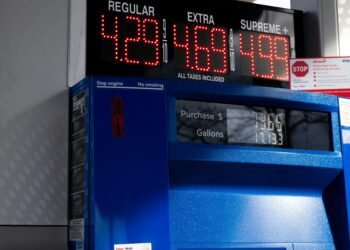
Despite showing surprising resilience over the past two years, the main financial headwinds and key risks threatening the U.S. economy are starting to mount rapidly. A dangerous mix of rising energy prices, stubborn inflation, heavy national debt, and stock market vulnerability is putting intense pressure on American households and businesses alike. Financial analysts and leading market experts are warning that while consumer spending has kept growth moving forward, these compounding pressures could quickly stall momentum if left unchecked.
Energy Shocks and Interest Rates
The most immediate danger comes from the energy sector, where conflict in the Middle East has pushed crude oil prices well past $100 a barrel and sent U.S. diesel costs soaring to record levels. High fuel costs do not just hit drivers at the pump; they increase shipping expenses across every supply chain, pushing August consumer inflation up to an annual rate of 3.4%. To fight this sticky inflation, the Federal Reserve is under heavy pressure to raise benchmark interest rates yet again. Higher borrowing costs make mortgages, credit cards, and business loans far more expensive, creating a direct drag on overall growth.
Debt Burden and AI Valuations Compounds the Danger
Beyond everyday consumer expenses, structural vulnerabilities are making the system fragile. America’s total national debt recently topped a record $40 trillion. The government now spends more money paying interest to debt holders than it does on national defense, leaving little flexibility to deal with future economic emergencies.

Higher-income households have been keeping consumer spending alive, largely because their net worth has been boosted by booming stock markets.
Artificial Intelligence Bubble Risks: Much of the stock market’s recent gains are tied directly to high-flying tech companies focused on artificial intelligence. If earnings fail to live up to these massive investments, stock prices could fall, cutting off wealth for top-tier consumers and pulling overall spending down with it.
My Opinion
Looking at the current economic sector, it is easy to feel frustrated by how politicians and policymakers react to these problems. Every time a major financial threat pops up, Washington seems to rely on short-term temporary fixes, like bond buybacks or sudden interest rate changes, rather than actually fixing the root causes.
The reality is that everyday working people bear the heaviest burden when these choices catch up with us. Middle- and lower-income families are already struggling to stretch their paychecks to cover basic groceries, rising rent, and expensive fuel. Telling people that the economy is doing great simply because big tech stocks are hitting high numbers misses the point entirely. If we do not address our sky-high debt, control rising fuel costs, and focus on steady long-term stability, we are setting ourselves up for a severe downturn that regular families will struggle to recover from.
Bottom Line
As policymakers navigate these escalating issues, addressing the key risks threatening the U.S. economy will require careful balance rather than reactive decisions. Balancing energy security, controlling national debt, and keeping borrowing costs manageable will decide whether the U.S. market can keep growing or face a painful slowdown.