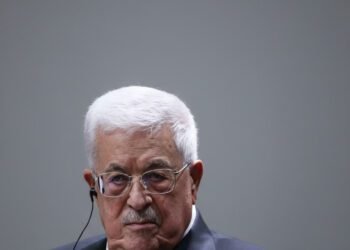
The International Criminal Court has ordered that former Philippine President Rodrigo Duterte remain in detention, saying recent developments in his case have increased the risk of him fleeing or interfering with the proceedings.
ICC Trial Chamber III issued the five-page decision following the tribunal’s third status conference, pointing to several developments that have brought Duterte’s trial closer.
Among the factors considered by the chamber were the scheduled November 30, 2026, start of the trial, reports submitted by court-appointed medical experts on Duterte’s fitness to stand trial, and the prosecution’s disclosure of evidence and filing of its trial brief.
The chamber said these developments increased the likelihood that Duterte would face trial and, if convicted, potentially receive a lengthy prison sentence. It said this had also heightened the possibility of him “absconding and/or obstructing or endangering the investigation or the court proceedings.”
The judges also expressed concern about the disclosure of prosecution evidence, particularly the identities of witnesses and details of their expected testimony.
“In respect of the latter considerations, owing to the Prosecution’s submission of the Witness and Evidence Lists, (thereby disclosing the identities of the witnesses and the contents of their expected testimony), this increases the Accused’s ability to interfere with witnesses, either directly or through his family or supporters in the Philippines,” the document read.
The chamber also addressed questions surrounding Duterte’s medical fitness to stand trial, noting that its decision on the issue was still pending.
“As regards the fitness issue, (although a decision of the Chamber is currently pending), the Chamber finds that the Panel’s Reports do not contain any information that warrants a modification of the Accused’s detention,” it added.
The judges further considered submissions from Duterte’s defence team but said they did not establish any significant change in his circumstances.
“Accordingly, the Chamber finds that the risks under Article 58(1)(b)(i) and (ii) have increased and, in respect of the risks outlined in Article 58(1)(b)(iii), sees no change in circumstances,” the document further read.
The chamber ultimately rejected the prospect of releasing Duterte, either unconditionally or subject to restrictions.
“The Chamber therefore finds no notable change in circumstances that warrant the release of the Accused, with or without conditions,” it further stated.
Duterte is facing three counts of crimes against humanity at the ICC over his administration’s controversial war on drugs.
Government records put the number of deaths linked to the campaign at least 6,000, while human rights groups have reported significantly higher figures, exceeding 30,000. The reported victims included children as young as three years old.