
Susan Gasson’s persistent cough, which started in 2020, initially seemed like nothing more than an irritation in her throat. She had no idea that the symptom would eventually lead to the discovery of lung cancer, marking the fourth time she had been diagnosed with cancer in four decades.
The 75-year-old, who lives in Greenwich, south-east London, had previously undergone treatment for breast, cervical and thyroid cancer. When doctors discovered the lung tumour, she underwent surgery, chemotherapy and radiotherapy.
However, subsequent checks revealed that the cancer had returned.
Gasson was later offered a place in a clinical trial after doctors discovered that her lung cancer carried a HER2 gene mutation. She now takes one tablet daily and undergoes a CT scan every six weeks.
“I feel lucky to still be here,” she said. “I get to watch my grandchildren grow up.”
Much of her treatment has been carried out at the Royal Marsden NHS Foundation Trust, which said there had previously been no targeted treatment available for lung cancer patients with the HER2 mutation. Such patients often depended on repeated chemotherapy, which can cause significant side effects.
The HER2 mutation can cause cells to grow and divide excessively.
Since joining the trial, Gasson’s tumour has reduced in size and she has not required further chemotherapy.
“My cancer has shrunk and the side effects have been minimal, allowing me to have a much better quality of life,” she said.
Her experience with cancer began in the early 1980s, when she was in her early 30s and living in Hertfordshire. After discovering a pea-sized lump in her right breast, she was referred by her GP to the Marsden.
Doctors diagnosed breast cancer and performed a lumpectomy to remove the tumour and surrounding tissue. She did not require additional treatment at the time.
“I was told it was a bit like porridge, lots of very tiny lumps,” she said.
A few years later, Gasson experienced heavy periods and anaemia. Medical examinations revealed fibroids, which are non-cancerous growths that develop in or around the womb.
She underwent a hysterectomy at Watford General Hospital in the mid-1980s, with the procedure revealing pre-cancerous cells.
“That was a cervical cancer, but they got it all out,” she said.
The period was particularly difficult for Gasson as she was raising young children while also going through a divorce from her first husband.
“It was all very stressful and traumatic, but I try not to dwell on these things. I think that helps.”
She focused on caring for her children and later returned to college in her mid-30s, where she studied advertising, marketing and public relations. Although she was the oldest student in her class, she said she enjoyed the experience and eventually completed her diploma.
Cancer also affected her family. Her father later died from oesophageal cancer, while her mother was receiving treatment for thyroid cancer when Gasson discovered a lump in her own neck.
“It was like a small egg,” she said.
Doctors initially believed the lump could be connected to her carotid artery, but she was diagnosed with thyroid cancer in 1996.
Her thyroid was removed at the Marsden’s Chelsea site, followed by further treatment at its Sutton site. The treatment left her radioactive for about a week.
“At this point, I’d survived the other two and, although my mother had died in the meantime of thyroid cancer, which was traumatic, I again put my faith in the hospital,” she said.
Given her personal and family history of cancer, Gasson underwent genetic testing. Doctors investigated the possibility of Cowden syndrome, a rare inherited condition associated with an increased risk of several types of cancer, but the condition was ruled out.
“I’ve not let it dominate my life,” she said.
Away from her health struggles, Gasson travelled extensively with her late second husband, who worked as a cruise lecturer. She is also involved with the Barbican and serves on the committee of the Guildhall Art Gallery.
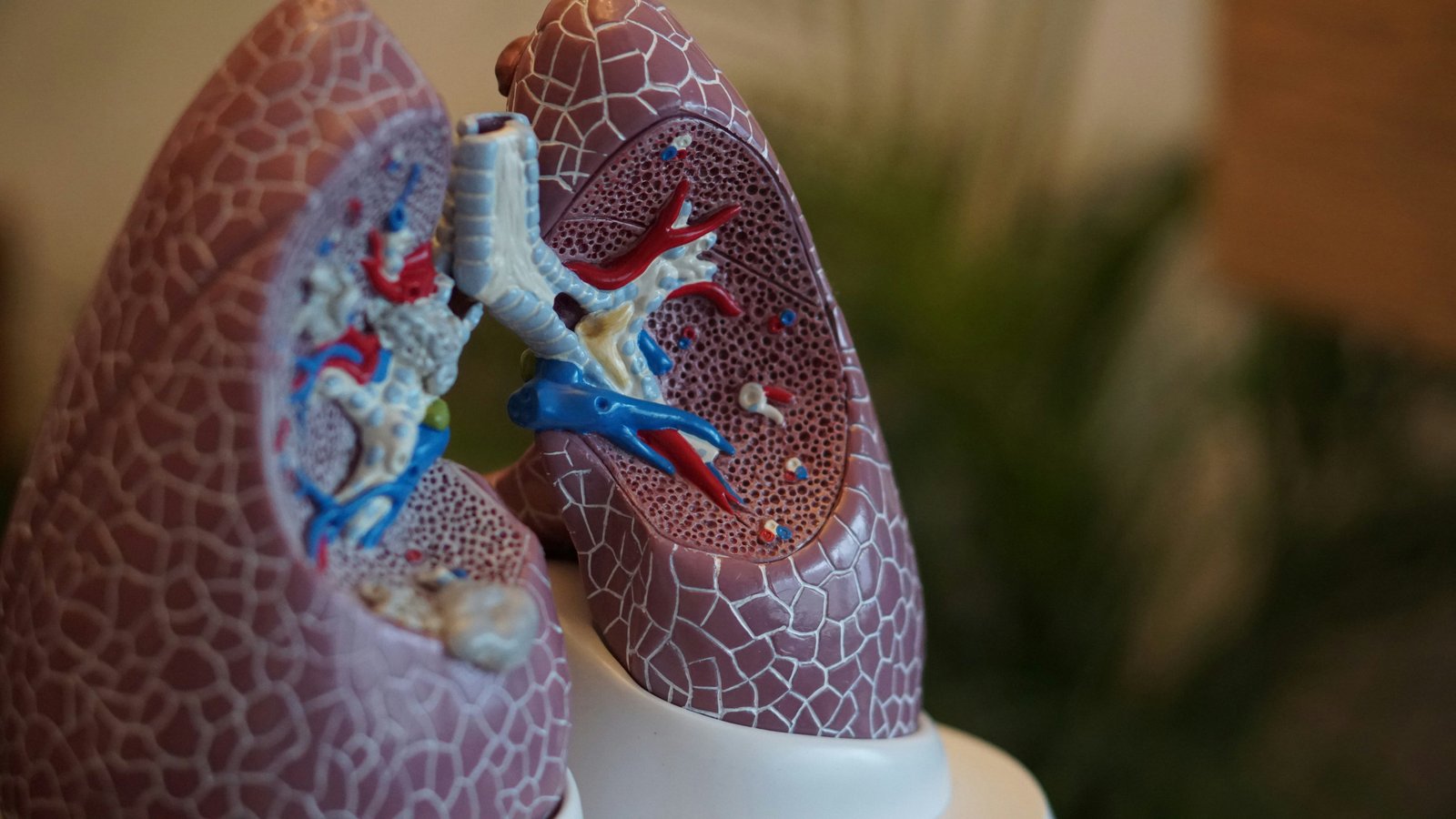
Her fourth cancer diagnosis came in October 2020 when she was diagnosed with lung cancer at the Marsden.
Surgeons removed a significant portion of her lung along with part of her windpipe. She described the procedure as the most difficult surgery she had undergone.
“This surgery was more traumatic than the other surgeries that I’d had. It was more painful, it was more debilitating,” she said.
She subsequently underwent chemotherapy and radiotherapy, but follow-up examinations showed that the cancer had returned.
After doctors performed a robotic biopsy, Gasson was informed that she qualified for the clinical trial targeting her particular cancer.
“I was relieved because I’d had several bouts of chemotherapy before and I’d suffered very badly with that,” she said.
The treatment has since allowed her to spend more time with her family without undergoing further chemotherapy.
“Thanks to this trial, I got to see my first granddaughter go off to university and I hope to see her graduate.”
Reflecting on her journey, Gasson encouraged other people living with cancer to maintain a positive outlook and remain active.
Her children also offered their own descriptions of her character. Her daughter described her as “stubborn, independent, courageous”, while her son chose “resilient, selfless, loving”.