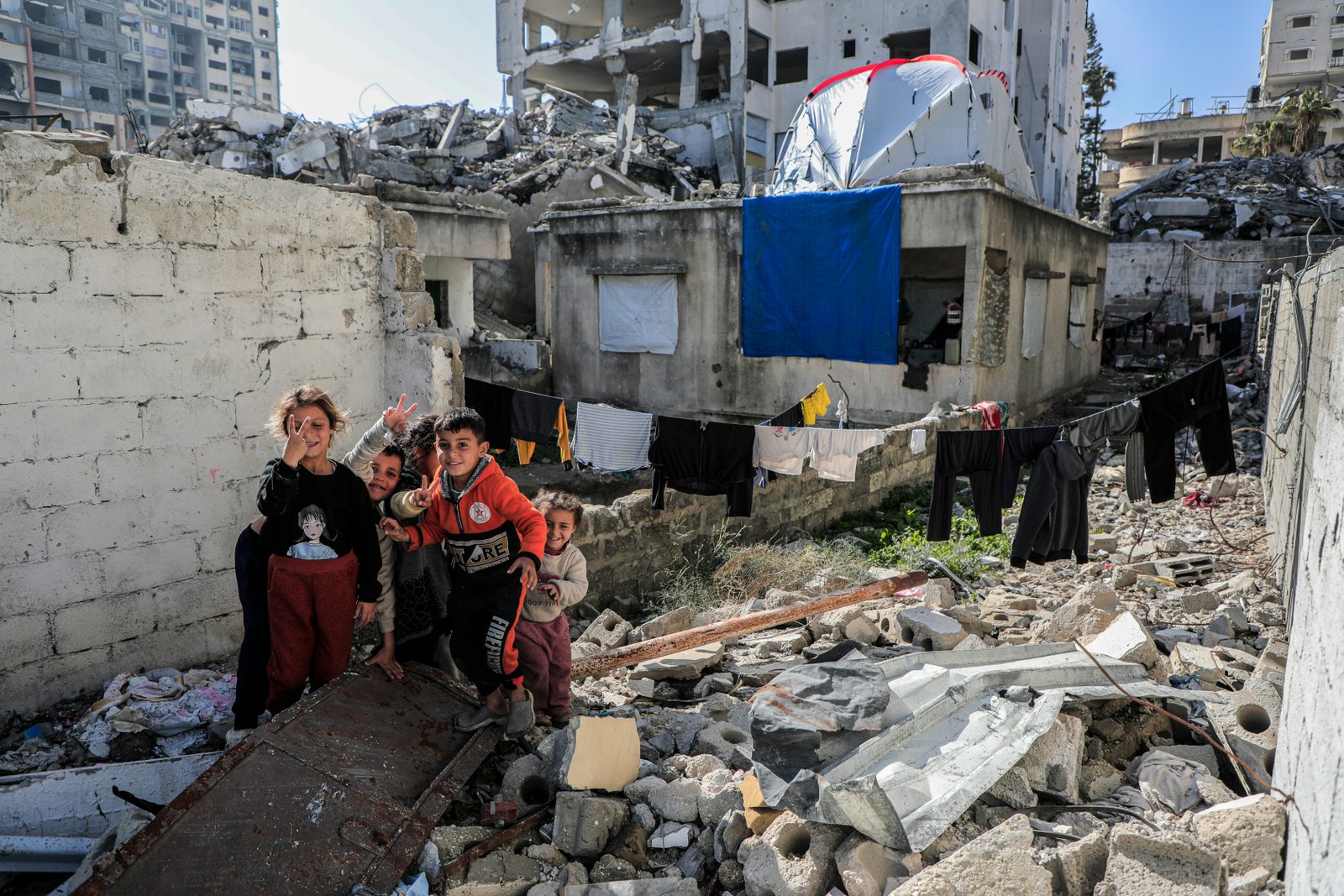

A fresh wave of celebrity donations has once again turned the world’s attention to Gaza, where children continue to endure war, hunger, and displacement. Yet across Sudan and the Democratic Republic of Congo, millions of women and children are living through similarly devastating crises with far less celebrity attention and public visibility.
American rapper Macklemore has pledged $1 million to Palestinian relief organizations, while children’s educator Ms Rachel committed another $1 million to the Palestine Children’s Relief Fund. Singer Ed Sheeran and New England Patriots owner Robert Kraft have also pledged $2 million each, bringing the four commitments to $6 million.
The pledges come as most of Gaza’s 2.1 million people remain displaced and face shortages of shelter, safe water, and other basic services amid continued Israeli military operations.
The Funding Gap
Humanitarian agencies are seeking much larger sums. UNICEF is appealing for $97.5 million for 540,000 children and their families in Gaza and the West Bank during winter, while the World Food Programme needs $426 million for operations between July and December.
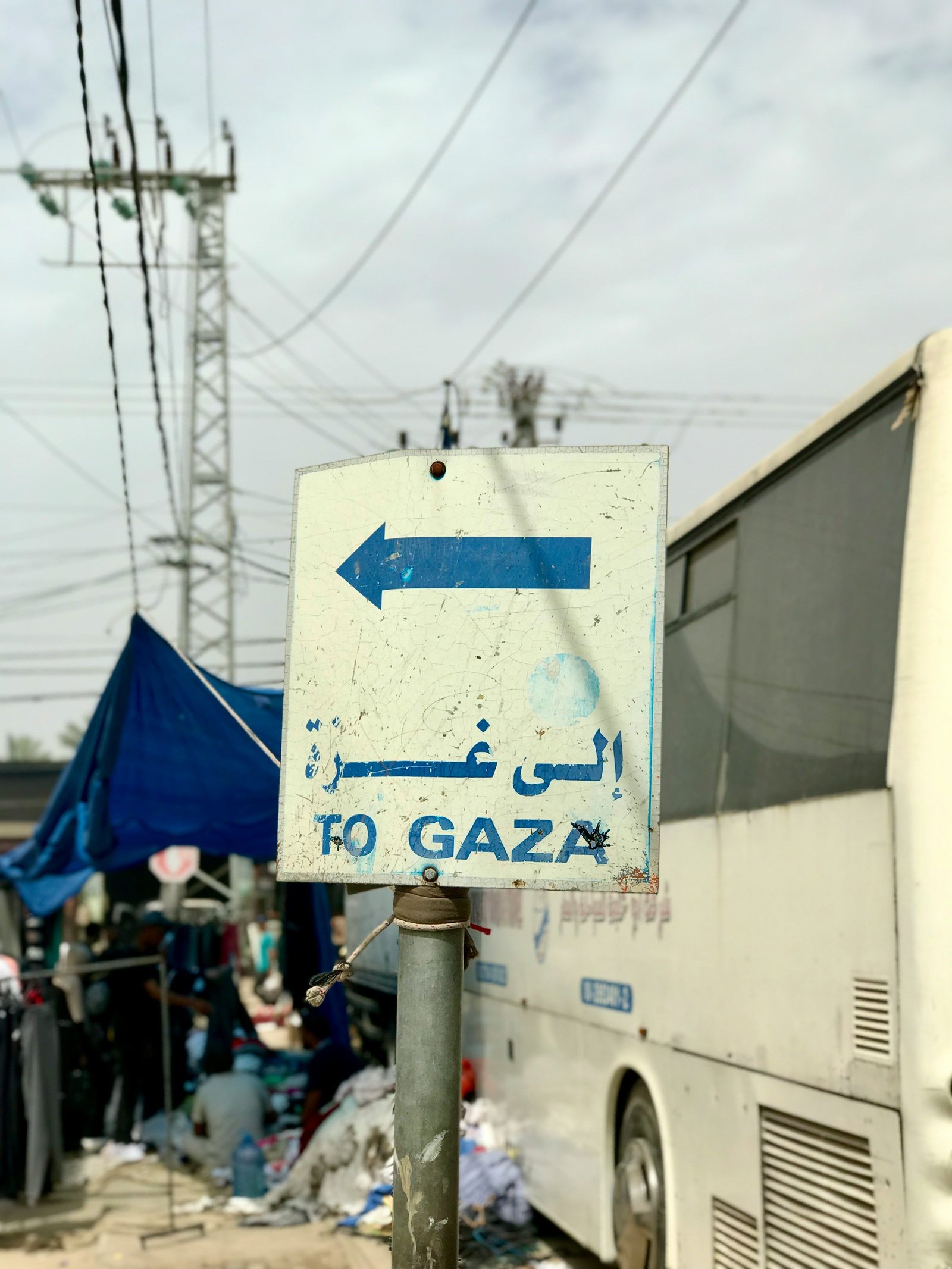
Across Africa, meanwhile, Sudan and DR Congo are facing humanitarian emergencies of their own, with millions of children affected by hunger, displacement, and disrupted education.
Sudan’s Crisis
Sudan is facing one of the world’s largest humanitarian crises after more than three years of war. UNICEF estimates that 17.3 million children need humanitarian assistance, while around five million children are among roughly 15 million people displaced by the conflict.
More than eight million children remain out of school, while about 19.5 million people face acute food insecurity. An estimated 4.2 million children are expected to suffer acute malnutrition in 2026, including more than 825,000 severe cases.
“For many children, there is no safe place left,” UNICEF Sudan Representative Sheldon Yett said in July, as the agency reported at least 330 children killed or injured during the first half of 2026.
Despite the scale of the emergency, UNICEF had mobilized about $352 million of the $963 million required for its 2026 response by July, leaving a funding gap of more than 60%.
DR Congo’s Crisis
Further south, UNICEF estimates that eight million children in DR Congo need humanitarian assistance in 2026, while WFP says 26.5 million people face acute food insecurity and millions remain displaced.
The crisis also extends beyond hunger and displacement. UNICEF reported that during the most intense fighting in eastern DR Congo in early 2025, a child was raped every half hour. Children accounted for between 35% and 45% of nearly 10,000 rape and sexual-violence cases recorded in January and February.
One 13-year-old survivor who became pregnant after being raped told UNICEF: “I am a girl. I don’t know how to be a mother.”
In Ituri, 15-year-old Pascaline fled her village after armed attacks, became separated from her parents, and later told UNICEF that two classmates, Grace and Neema, had been beheaded. When UNICEF documented her story in February 2026, she was living with her younger sister and had no information about five other siblings.
UNICEF has summed up the wider emergency starkly: “Children in DRC are being forgotten, their suffering ignored.”
The Contrast
Both crises are unfolding in countries whose resources feed major global industries. Sudan is a major gold producer and supplier of gum arabic, while DR Congo accounts for about 75% of global cobalt production and is also a major source of tantalum and copper used in batteries and electronics.
Companies including Tesla, Samsung, Microsoft, Dell, and Apple have disclosed sourcing or responsible-minerals programs linked to Congo or the wider region. Yet humanitarian agencies in both countries continue to report funding gaps running into hundreds of millions of dollars.
The crises in Gaza, Sudan, and DR Congo differ in cause and scale, but the contrast in visibility remains clear. While Gaza has attracted a fresh wave of high-profile celebrity giving, millions of children in Sudan and DR Congo remain hungry, displaced, out of school, or exposed to violence with far less comparable celebrity attention.
The Bottom Line
Celebrities have pledged $6 million for Gaza relief, drawing global attention to the humanitarian crisis there. But in Sudan, 17.3 million children need assistance, and in DR Congo, eight million children face hunger, displacement, and sexual violence. Both countries are resource-rich, feeding global industries, yet humanitarian funding gaps exceed 60%. The crises are equally devastating. The attention is not.
My Opinion
Six million dollars is a lot of money. It is also a rounding error compared to what is actually needed. UNICEF alone is asking for $97.5 million for Gaza and $963 million for Sudan. The World Food Programme needs $426 million for Gaza. They are the difference between a child eating and a child starving.
The celebrity pledges are welcome because they shine a light and, quite frankly, move the needle. But they also reveal something uncomfortable about how the world decides which crises matter. Gaza has attracted the attention of Macklemore, Ms Rachel, Ed Sheeran, and Robert Kraft. Sudan has 17.3 million children in need. DR Congo has eight million children facing hunger, displacement, and sexual violence. Where are their celebrity champions?
The answer is not that celebrities are heartless. The answer is that attention follows visibility, and visibility follows politics. Gaza is a geopolitical flashpoint. Sudan and DR Congo are resource-rich countries whose wars are entangled in global supply chains for cobalt, gold, and gum arabic — the minerals in our phones, the gold in our jewelry, the gum in our food. The world benefits from their resources and ignores their children.
This is not an argument against donating to Gaza. It is an argument for expanding our moral circle. A child in Narsaq, a child in Khartoum, a child in Ituri — they all deserve to be seen.