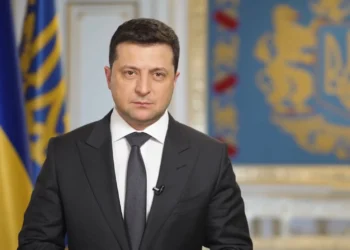
Italian Prime Minister Giorgia Meloni announced plans on Sunday to introduce a legal limit on the number of foreign students allowed in Italian classrooms, as well as a ban on face-covering garments, including the Islamic burqa and niqab, in schools.
Meloni made the announcement during a speech at Fenix, an event organized by Gioventù Nazionale, the youth wing of her conservative Brothers of Italy party.
“If in a classroom there is only one child who doesn’t understand Italian, it is possible that that child will manage, with the help of his peers and teachers, to learn the language and integrate fast. But if these children are many, or even the majority, that’s not integration anymore, that’s abandonment,” Meloni said.
The Proposed Limit
Meloni said Italy’s government would introduce legislation to legally limit the number of foreign students in individual classrooms to about 30%. “There’s no way that in an Italian classroom, the ones who feel marginalized are Italian children because they have become a minority,” she said.
According to the ISMU ETS Foundation, an immigration-focused think tank, citing data from the Italian Ministry of Education, students with non-Italian citizenship currently account for about 11.6% of total school enrollment across the country.
Under Italy’s citizenship system, children born in the country to non-Italian parents do not generally acquire Italian citizenship automatically at birth, but only after turning 18, if they have remained in the country.
The Face Covering Ban
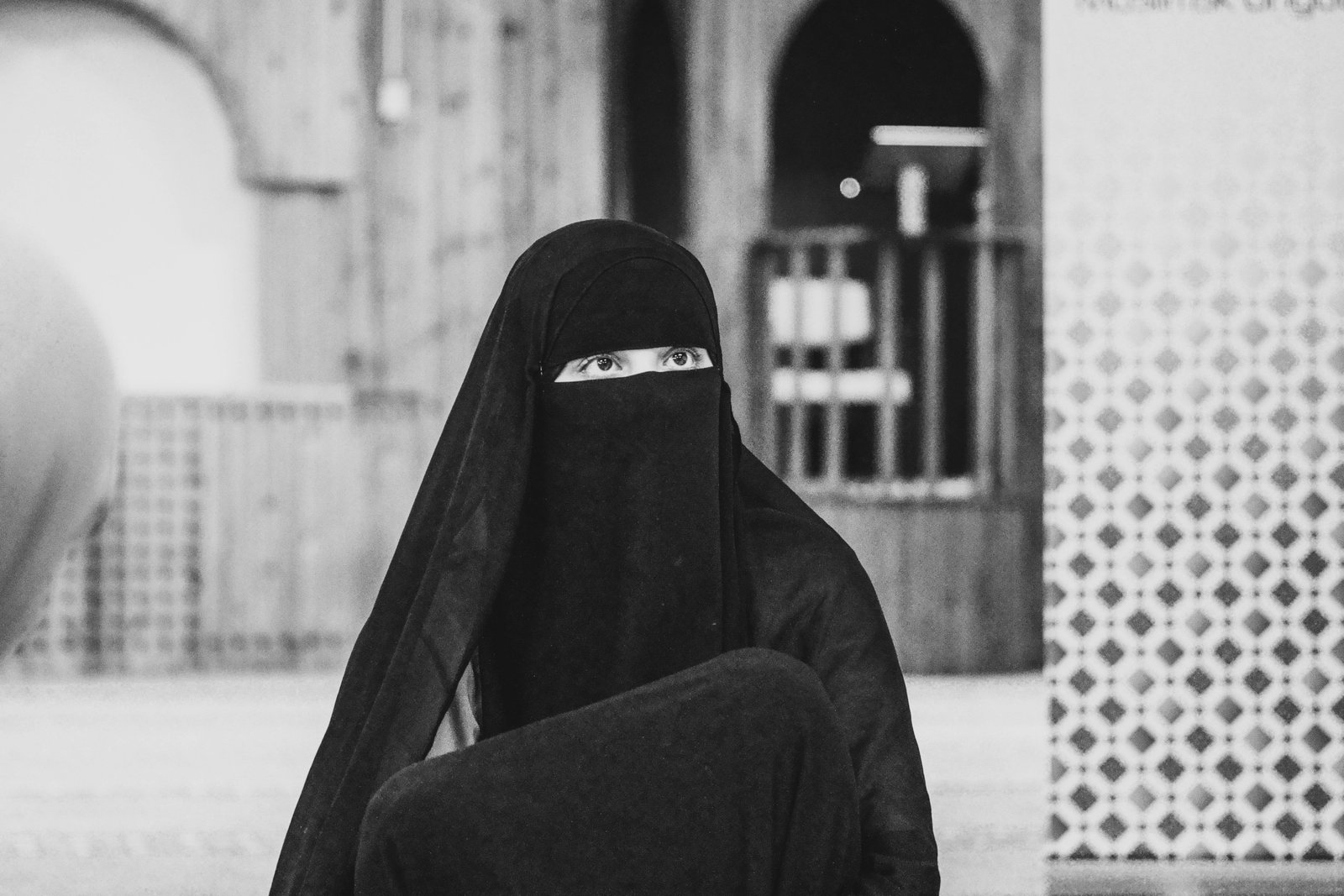
Meloni also announced plans to prohibit face-covering garments, specifically mentioning burqas and niqabs worn by some women and girls, in schools.
“At school, you go with your face uncovered, and in Italy no one, in the name of a real or presumed tradition, can decide that a young woman has to hide. Equality between men and women is non-negotiable,” Meloni said.
The proposed measure would target only garments that cover the face, not all forms of Islamic head covering. Meloni said the government would bring the proposed legislation to the Council of Ministers, after which it would require parliamentary approval to become law.
The Context
Italy would not be the first European country to restrict face coverings in public places. France, Belgium, and several other European nations have adopted restrictions on face-covering garments, although the scope and legal basis of those measures vary. The proposed limit on foreign students in classrooms, however, would represent a first in Europe if adopted.
“There are some neighborhoods in more depopulated areas in Italy where the concentration of people coming from a non-Italian background is higher and inevitably creates higher numbers of non-Italian students in classrooms,” Mariagrazia Santagati, a professor of sociology at the Catholic University of the Sacred Heart in Milan, told CBS News.
“Italian school is based on inclusion, from children with disabilities to other minorities, everyone attends the same classes. And public school is open to every child to attend, regardless of their juridical status and religion,” said Santagati. “It’s hard to understand how this would be put into practice. We are for multiculturalism.”
The Politics
The premier’s announcements came as Italy looks ahead to next year’s general election, with Meloni facing competition from both the left and right of the political spectrum. The proposals are likely to energize her conservative base while drawing criticism from opponents who accuse her of divisive politics.
The Bottom Line
Italian Prime Minister Giorgia Meloni has announced plans to limit foreign students to about 30% of individual classrooms and ban face-covering garments, including burqas and niqabs in schools. The measures would require parliamentary approval. Foreign students currently account for about 11.6% of total enrollment. The proposals would be a first in Europe for the classroom limit. Critics say the measures undermine Italy’s tradition of inclusion.
My Opinion
Meloni is not wrong that integration requires conditions. If a classroom is overwhelming for a child who does not speak Italian, that child is not integrating — they are drowning. That is a real problem worth addressing. But a 30% cap is not an integration policy. It is a numbers game dressed up as one. If the goal were truly to help foreign students learn Italian and succeed, the government would invest in language support, teacher training, and resources. Instead, it is capping their presence and calling it concern.
The face-covering ban is a different matter entirely. Meloni frames it as gender equality, and that framing has genuine appeal. But the number of students affected is minuscule. This is not a policy in search of a problem. It is a policy in search of a headline. And it is a headline designed to energize a base that feels threatened by demographic change.
There is a deeper issue here. Italy, like much of Europe, is aging. It needs young people. It needs workers. It needs families. But its citizenship laws do not recognize children born on Italian soil as Italian until they turn 18. It limits their presence in schools. It bans their clothing. It treats them as guests who have overstayed their welcome. Then it wonders why they do not integrate.
You cannot demand integration while making people feel permanently excluded. That is a contradiction and no election victory will resolve it.