Australia’s Department of Defence is investigating how F-35 fighter jet components being shipped from the country to the United States were unexpectedly diverted to Hong Kong and have remained unaccounted for for months.
Acting Prime Minister Richard Marles said the government would review Australia’s involvement in the shipment, although he maintained that the parts were not sensitive, contradicting reports that raised concerns over the potential exposure of technology linked to the advanced fighter aircraft.
The components were being transported by an unidentified third party on behalf of F-35 manufacturer Lockheed Martin when they were diverted to Hong Kong, a special administrative region of China.
The fact that the shipment was last traced to Hong Kong has raised concerns over whether some of the programme’s technology could have been exposed.
“We are examining [Australia’s involvement], but the point I would make here is that we are confident about the way in which we’ve engaged with the program, and through the US’s prime contractor, Lockheed,” Marles said on Tuesday.
“My understanding is that there is a sense of comfort, and we’re not talking about sensitive equipment here, or sensitive parts.
“Ultimately, though, this is an issue which is going to be managed by the United States and by Lockheed in terms of what has occurred.”
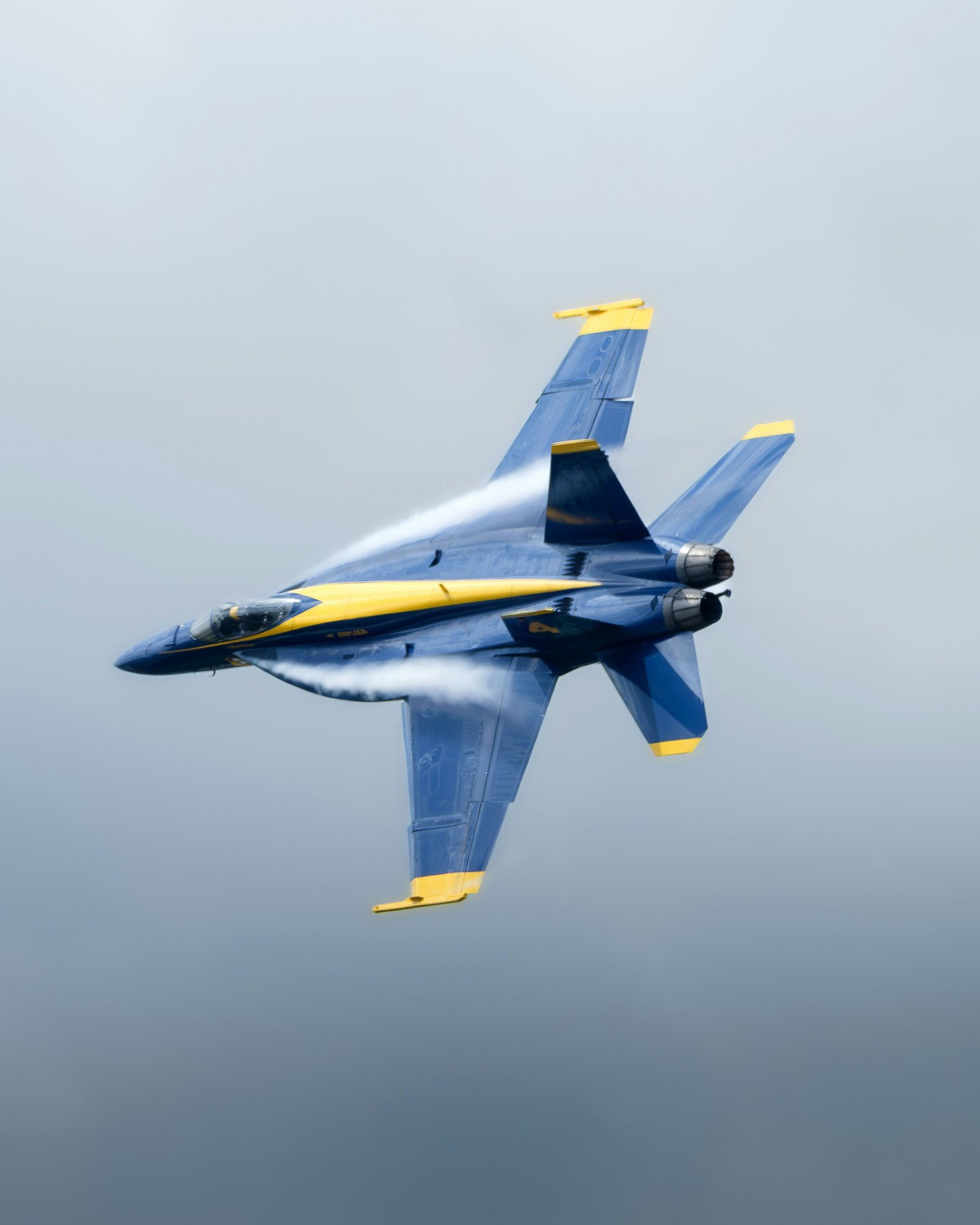
Politico reported that sources described the shipment as sensitive and said it included one of the F-35’s canopies, which reportedly incorporates stealth technology.
The US Department of War and the F-35 Joint Program Office said they were aware of the shipment problem and were working to recover the missing components.
“We are actively working with US authorities and industry partners to retrieve these components, investigate the incident, and place safeguards to avoid a future occurrence,” a spokesperson said.
While authorities have not disclosed many details about the incident, Michael Shoebridge, a director at Strategic Analysis Australia and a former intelligence agency official, said there were two major reasons an adversary such as China could seek access to F-35 components.
He said the parts could potentially be used for reverse engineering or to understand how to exploit and attack the aircraft more effectively.
Shoebridge also questioned how the shipment ended up stopping in Hong Kong, describing the decision as “such an unexpectedly stupid thing” for either the manufacturer or Australia to have allowed.
“This is an act of incredible ineptitude and stupidity, and so it’s more the Chinese taking advantage of an incredible stroke of luck brought to them by the stupidity of the people involved,” he said.
The incident comes amid wider concerns over the protection of F-35 technology.
Last week, the US State Department announced that the Trump administration would proceed with the sale of 48 F-35 fighter jets to Saudi Arabia, despite reported concerns within US intelligence circles that China could gain access to some of the aircraft’s stealth technology.
Australia was among the early international partners involved in developing the F-35 programme, which distributes the development, production, management and maintenance of the aircraft among participating countries.
More than 70 Australian companies have contracts connected to F-35 production and sustainment. The Victorian state government says more than 700 “critical pieces” of the fighter jet are manufactured in the state, while Australia also hosts a regional F-35 parts distribution hub in New South Wales.
As of September 2025, Australian companies involved in the programme’s supply chain had secured contracts worth more than $5.2bn.
Shoebridge warned that the missing components could have implications extending beyond Australia and the US, given the number of countries operating the F-35.
“They’re all now carrying the risk of whatever vulnerabilities this has brought to the aircraft,” he said.
“So it’s not just a US-Australia issue. It’s every operator of the F-35 program [that] has an interest in understanding what happened and what was potentially exposed.”