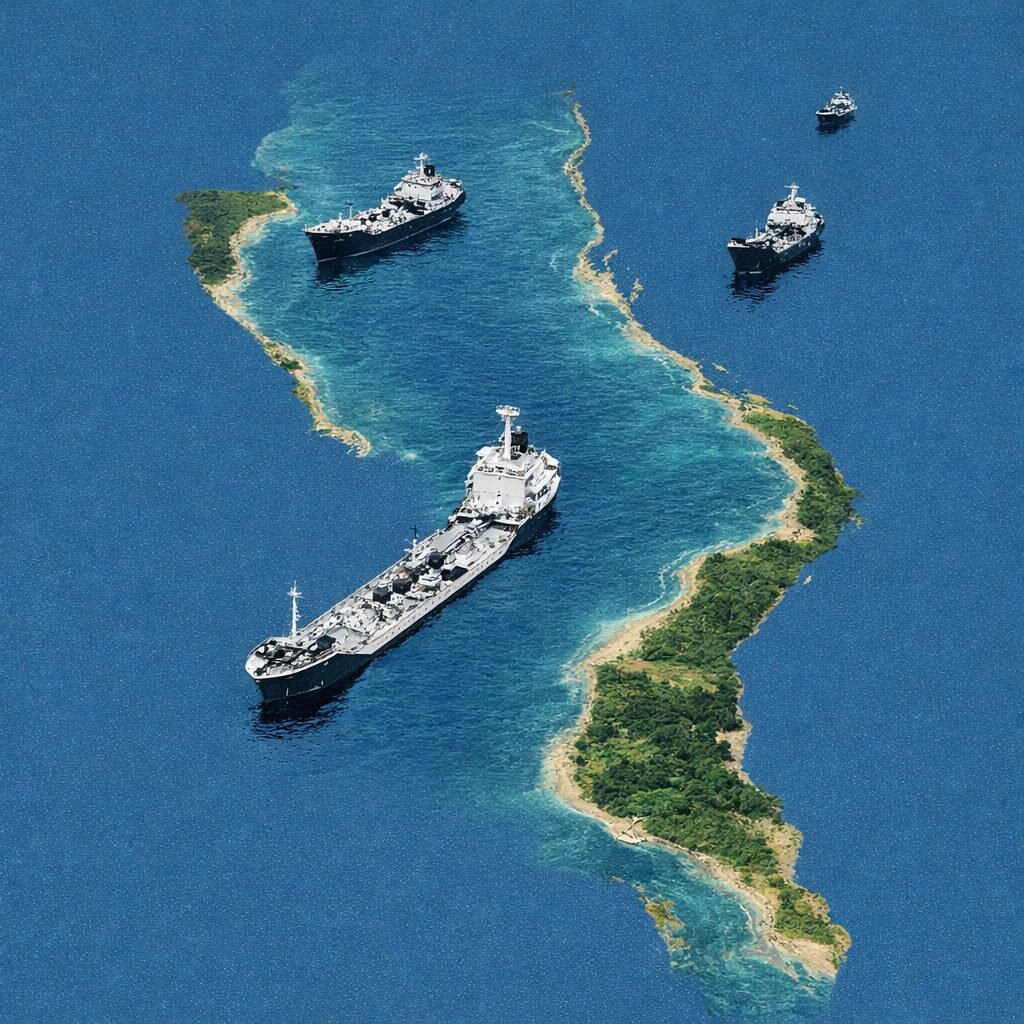

Iran has proposed reopening the Strait of Hormuz within seven days and returning to talks with Washington, provided the United States eases its military pressure and takes initial steps toward lifting the blockade on Iranian ports, according to a senior Iranian official.
Japan’s Kyodo News reported Tuesday that the proposal was transmitted to the US administration via intermediaries as part of a renewed effort by Tehran to revive negotiations. Under the proposal, Iran seeks the resumption of negotiations aimed at reaching an agreement for a “permanent end to hostilities.”
The Proposal
The official stated that, in the initial phase, Tehran expects Washington to demonstrate its readiness to return to negotiations, initiate measures to lift the military blockade on Iranian ports, and halt military operations related to the Strait of Hormuz.
Should these steps be taken, Iran is prepared to restore maritime traffic through the Strait of Hormuz within seven days and return to the negotiating table. The official emphasized that the United States must show “seriousness and commitment” for diplomacy to advance.
Kyodo reported that Tehran’s new proposal was approved by Mojtaba Khamenei, the Supreme Leader of the Islamic Republic, and the Supreme National Security Council. The official did not clarify whether this offer represents a retreat from any of the seven conditions previously set by Tehran.
The Deadline
According to Kyodo’s report, the SNSC decided on August 16 that if the United States failed to end the blockade on Iranian ports within 45 days, Iran would reserve the right to launch renewed strikes against US forces. That deadline is now nearing its expiration.
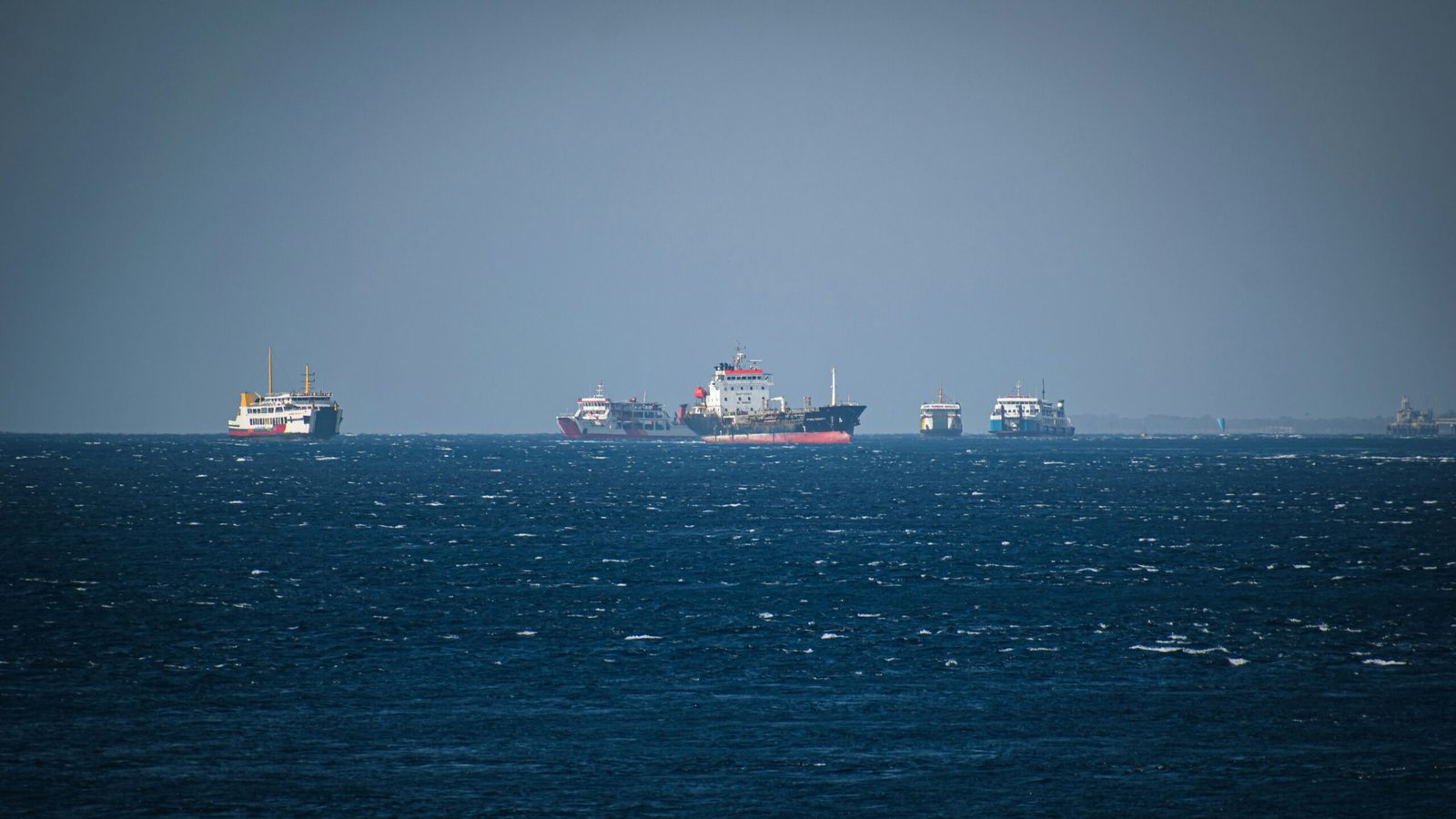
The naval blockade imposed on Iranian ports has severely constrained oil exports, a vital source of revenue for Iran, while ongoing hostilities have reduced commercial shipping through the Strait of Hormuz to levels far below pre-war baselines.
The Diplomatic Push
A senior Iranian official told Reuters that Iran’s delegation at the UN General Assembly in New York has full authority to revive diplomatic talks with the United States, adding that details of a potential agreement could be negotiated through intermediary nations.
While the official ruled out a meeting between President Masoud Pezeshkian and US President Donald Trump on the sidelines of the General Assembly, he noted that “a path toward an agreement remains possible.”
Parliament Speaker Mohammad-Baqer Qalibaf previously stated that returning to the prior negotiation framework and reopening the Strait of Hormuz would be impossible until Tehran’s conditions are met. However, Qalibaf confirmed that Iran had sent messages to the US via intermediaries, asserting that Tehran must “fight and negotiate simultaneously.”
The Bottom Line
Iran has offered to reopen the Strait of Hormuz within seven days if the US eases its naval blockade and returns to negotiations. The proposal was approved by Supreme Leader Mojtaba Khamenei and transmitted via intermediaries. A 45-day deadline for the US to end the blockade is nearing expiration. Iran’s delegation at the UN General Assembly has full authority to revive talks. A meeting between Pezeshkian and Trump has been ruled out, but a path to an agreement remains possible.
My Opinion
Iran’s offer is not a concession. It is a test. Tehran is not saying it will reopen the Strait of Hormuz because it wants peace. It is saying it will reopen the strait if the United States takes the first step. That is not diplomacy. That is a demand dressed up as a proposal. The question is whether Washington will see it for what it is.
The blockade is hurting Iran. Oil exports are down. Revenue is down. The 45-day deadline is approaching. Tehran needs relief. But it also needs to save face. By proposing to reopen the strait in exchange for the US easing the blockade, Iran can claim it forced Washington to back down. It can tell its people that the pressure worked.
The United States should not take the bait. Easing the blockade without a verifiable commitment from Iran would be a gift to Tehran. But refusing to engage at all risks a return to open conflict when the deadline expires. The smart move is to test Iran’s seriousness. Demand a gesture. Demand proof. If Iran is serious, it will deliver. If it is bluffing, the world will know. The strait is not a bargaining chip. It is a lifeline for the global economy. It should be treated as such.