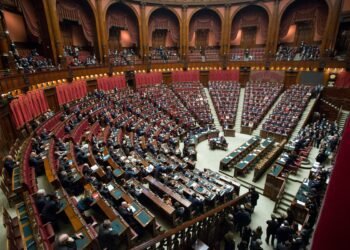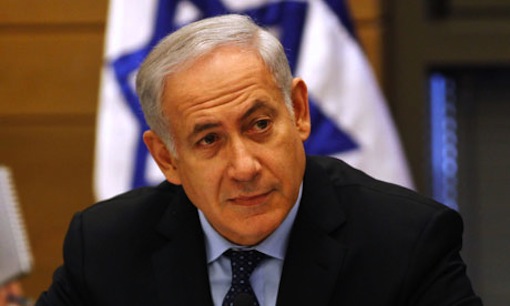

Israeli Prime Minister Benjamin Netanyahu delivered a defiant UN speech at the United Nations General Assembly on Thursday, insisting that his country will continue to defend itself despite widespread international criticism. Dozens of diplomats and delegates walked out of the hall as Netanyahu walked up to the podium. The Israeli leader did not hold back, calling those who left “moral cowards” before doubling down on Israel’s ongoing military campaigns across the Middle East.
Netanyahu used the global platform to highlight key military actions against regional threats and praised the joint efforts that crippled Iran’s defense capabilities. His appearance lasted just a few hours in New York as part of a compressed international trip ahead of the Jewish holiday of Sukkot.
Confronting Criticisms and Clash with NYC Mayor
A major portion of Netanyahu’s address targeted growing domestic and international pushback. Addressing foreign leaders who denounced Israel’s military actions, Netanyahu argued that his nation had no choice but to fight back to protect its citizens.

Netanyahu also directly addressed New York City Mayor Zohran Mamdani, who previously called the Israeli prime minister a war criminal. Netanyahu fired back from the podium, rejecting allegations of genocide and accusing the mayor of spreading antisemitic lies. “Israel didn’t commit genocide. Israel prevented genocide,” Netanyahu stated, defending the actions of Israeli soldiers on the ground.
My Opinion
Standing at the UN podium while facing a room full of empty seats is a powerful image that reveals Israel’s deepening diplomatic isolation.
Netanyahu’s speech was clearly designed for two audiences: the international community and voters back home in Israel. By taking a hardline stance against foreign critics and calling out local figures like New York’s mayor, he positioned himself as an unyielding leader who will not back down under pressure.
However, relying entirely on defiance might offer diminishing returns on the world stage. While a strong statement plays well with core supporters at home, dismissing international concerns without offering a clear diplomatic vision makes it harder to rebuild long-term global alliances. Real security requires a balance of strong defense and strategic diplomacy.