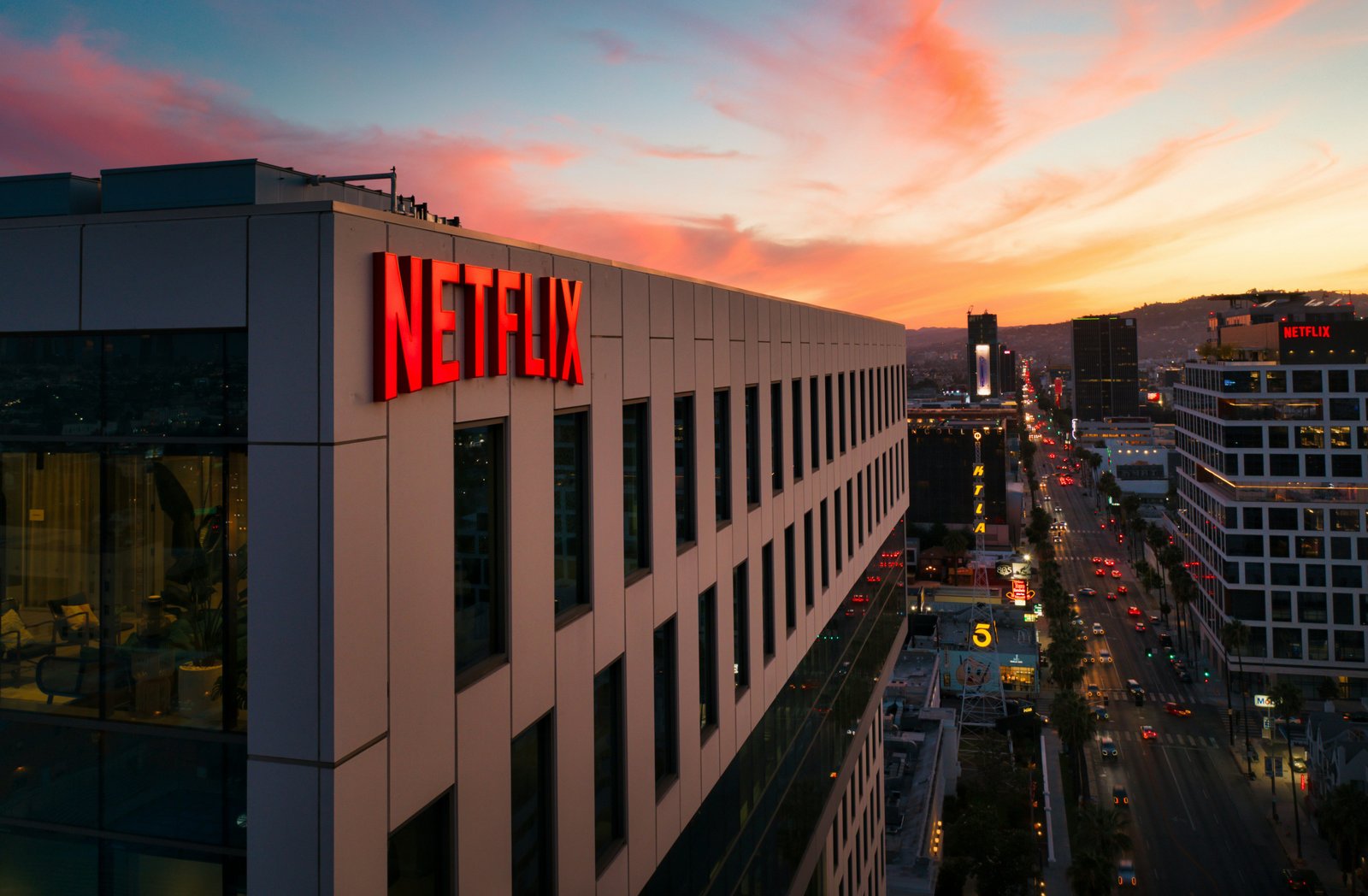

The White House reportedly told Netflix that regulators would not approve its bid to acquire Warner Bros. Discovery, a signal that effectively ended the company’s pursuit and handed the prize to Paramount.
According to media veteran John Malone, who spoke at an industry summit in New York, Netflix executives were preparing to press forward when word arrived from the administration that regulatory clearance had no realistic prospect of materializing. That message, in his account, supplied the decisive blow.
The Timeline
The critical exchange reportedly took place in late February. Netflix co-CEO Ted Sarandos traveled to the White House for meetings with administration officials, according to Deadline. Later that same day, the company withdrew from the contest.
Under the existing process rules, Netflix still had four days to respond to Paramount’s latest proposal. Instead, it stepped aside. Paramount, which had modestly raised its earlier offers, secured the transaction by presenting shareholders with $31 a share plus financing commitments that reduced execution risk. The resulting leveraged buyout carried a total value of roughly $110 billion, ranking among the largest media combinations on record.

The Reaction
Within Warner Bros. Discovery, the abrupt exit produced divided reactions. Some participants had preferred to test whether a Netflix combination might have preserved more of the studio’s creative activity. Others judged the Paramount terms adequate once the numbers were tallied.
The properties that had attracted Netflix — Harry Potter, Game of Thrones, the DC catalog — would have strengthened its library and production capacity. But the price and the regulatory cloud had already unsettled investors even before the formal withdrawal.
The Conflicting Accounts
Public explanations diverged. Sarandos later characterized the president as neutral on the matter and attributed the decision to Warner Bros. Discovery’s determination that Paramount’s package was superior. He described the White House session as routine.
Democratic lawmakers, however, focused on the timing and requested details from the then-Attorney General about what had been conveyed. The Justice Department later announced in June that it would not challenge the Paramount transaction. California and eleven other states filed their own challenge in July; they reached a settlement the following month that cleared the path.
The Aftermath
By the time Malone spoke, the deal had closed and Netflix had reported mixed results that sent its shares to a two-year low amid concerns over viewer growth and intensifying competition. The episode illustrated how political assessments of market concentration can reshape bidding dynamics even when formal review processes remain unfinished.
The administration and Justice Department did not comment on the account, and Netflix offered no further statement.
The Bottom Line
The White House reportedly signaled to Netflix that its bid for Warner Bros. Discovery would not receive regulatory approval, prompting Netflix to withdraw the same day. Paramount ultimately won the contest with a $110 billion leveraged buyout. Netflix’s shares have since fallen to a two-year low. The episode shows how political pressure can shape media consolidation even before formal antitrust reviews are complete.
My Opinion
This is not how antitrust review is supposed to work. The Justice Department has a process. Regulators examine the deal. Courts weigh the evidence. The public gets a chance to see the reasoning. But according to John Malone’s account, the White House short-circuited all of it with a quiet signal to Netflix: don’t bother.
If that is true, it is a scandal. The president should not be picking winners and losers in media consolidation. He should not be telling one company that regulators will block its deal before the formal review has even concluded. And he certainly should not be doing it in a way that benefits a company whose owners are friendly to him.