
El Niño is no longer a distant scientific phenomenon that we can afford to ignore. It is the reason your generator is working harder, your food bill is climbing, and the heat feels different this year.
A new report from the Climate Impact Lab projects that Nigeria could record 31,400 additional heat-related deaths between September 2026 and February 2027 as an unusually strong El Niño intensifies. That is nearly half of the 66,800 additional deaths projected across Africa’s Sahel region. Nigeria is projected to have the highest heat mortality of any country in the world under this event.
The Heat Is Already Here
The warnings are not theoretical. In recent weeks, temperatures have soared to 41°C in Nguru, Yobe State, and 34°C in Lagos. Earlier this year, Sokoto hit 44°C, with the Nigerian Meteorological Agency describing conditions as “unhealthy”.
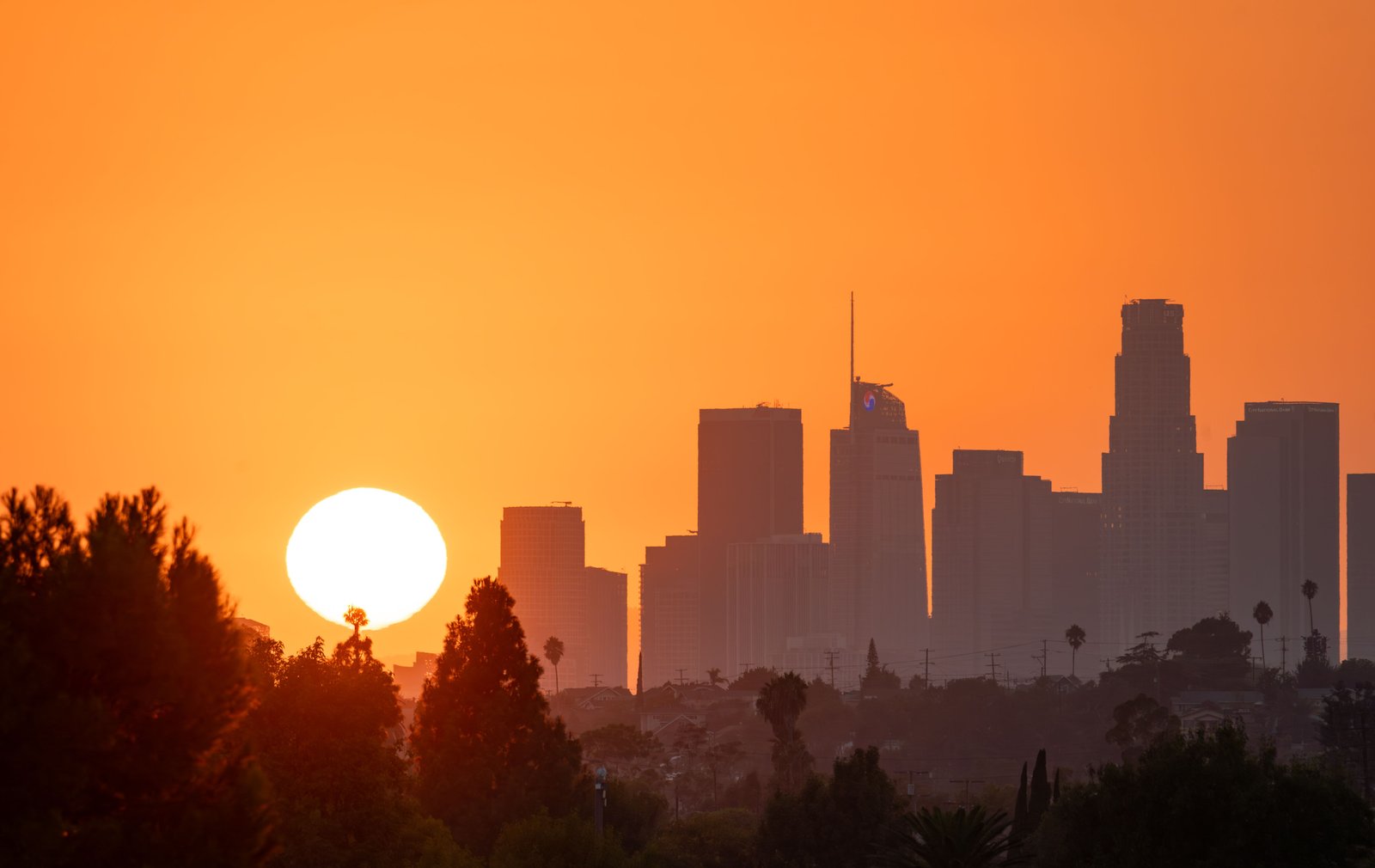
For Lagos, the problem is compounded by the urban heat island effect. The city’s dense buildings, asphalt, and heavy traffic mean the urban core now runs 8.3°C hotter than its greener edges. Lagos is ranked the ninth most heat-risked city in the world and the most exposed in Africa.
This is not just uncomfortable. It is dangerous. Outdoor workers, traders, construction workers, and farmers are particularly vulnerable. So are older people and young children.
Your Food Bill Is About to Get Worse
El Niño disrupts rainfall patterns. Northern Nigeria, where much of the country’s grain is produced, could experience below-average rainfall, reducing yields of maize, sorghum, and millet. The Sahel, which includes Nigeria’s northern farming belt, is one of the regions most at risk of drought.
The World Bank has already warned that El Niño conditions could trigger another round of food price increases across West and Central Africa. Nigeria’s annual food inflation rate reached 20.3% in July 2026, up from 8.9% in January. Fertiliser prices have climbed 35% in the first five months of 2026.
For households already struggling, this means bread, noodles, and flour could become even more expensive. The UN has warned that about 50 million people could face increased hunger across affected regions.
The Power Problem
When the heat rises, everyone reaches for the fan or the air conditioner. But in Nigeria, that is not always an option.
Even homes with electricity face power cuts. Only 21% of people in Niger and 13% in Chad had electricity in 2024, leaving most without power to run even a fan. Nigeria’s grid is more stable than some of its neighbors, but that is a low bar.
For those who rely on generators, fuel prices have become prohibitive. Gasoline prices have nearly doubled in Abuja, from around 850 naira per litre to over 1,300 naira—a record high. Ride-share drivers have reported to no longer using their generators because of the price hike. When the grid goes out on a sweltering night, so does his fan.
What You Can Actually Do
The warnings are serious, but they are not a death sentence. There are practical steps Nigerians can take to protect themselves and their families.
Drink water. Wear light clothing. Limit outdoor activity during peak heat. These sound obvious, but they save lives. Outdoor workers should be given access to drinking water, shaded rest areas, and appropriate breaks.
Follow official forecasts, not viral predictions. NiMet provides state-level weather forecasts and seasonal climate information. NIHSA publishes flood and water-related risk information. NEMA provides disaster preparedness guidance. Rely on these sources, not dramatic social media posts.
Prepare for flooding, even as you prepare for heat. El Niño can bring both drought and flooding. Heavy rainfall concentrated within a short period can overwhelm drainage systems. Clear drainage channels where safe, secure important documents in waterproof bags, and identify safer routes out of flood-prone areas.
Review your food budget without panic-buying. Store affordable staples safely, reduce food waste, and plan meals around foods you regularly consume
Check on your neighbors. The study on heat impacts in Nigeria found that most coping strategies were individual—taking more showers, drinking more water. Community-oriented behaviors were rare. But in a crisis, community is what saves people. Check on elderly neighbors. Share water. And look out for each other