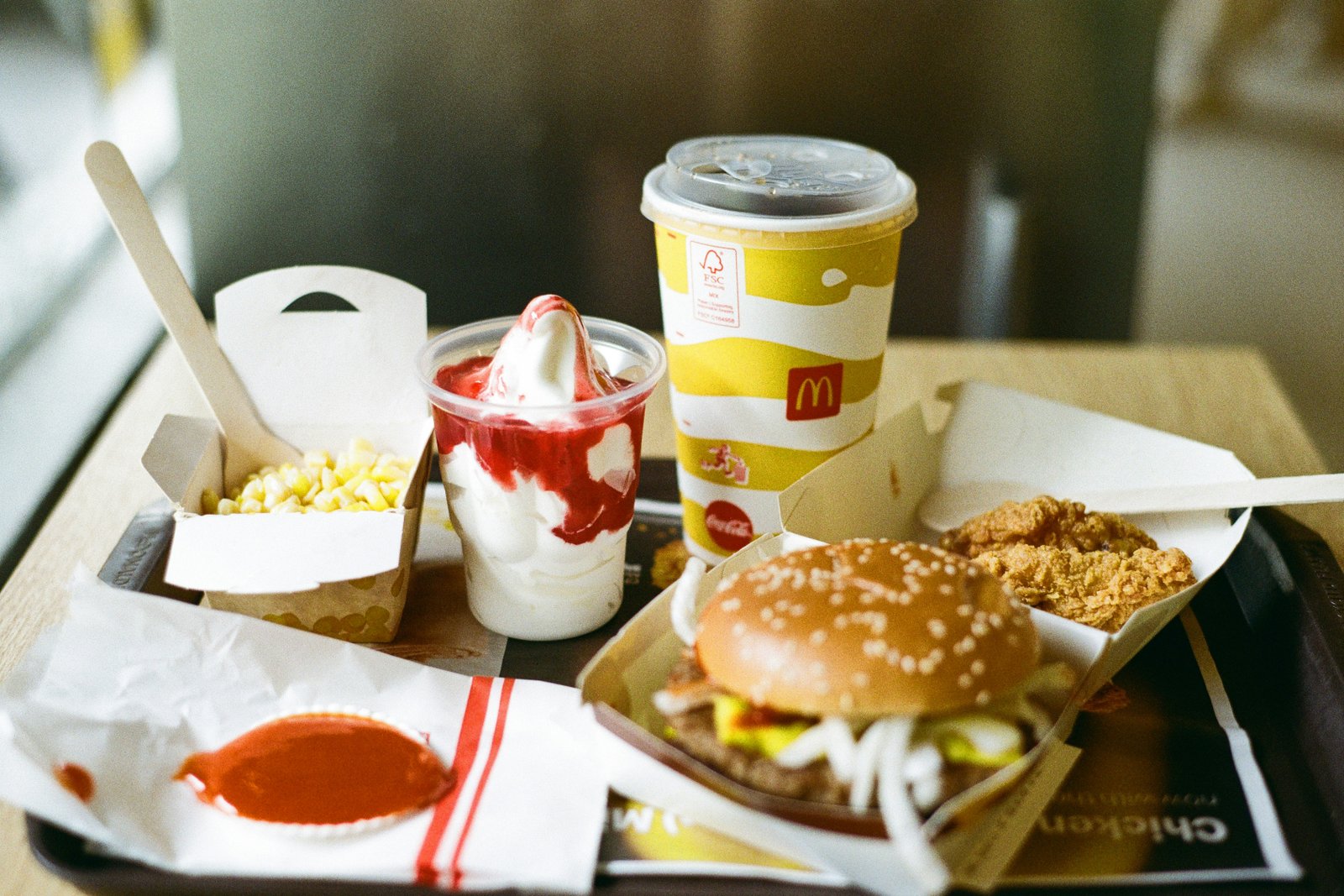

A United States federal judge has refused to dismiss a proposed class-action lawsuit accusing McDonald’s of misleading customers about the type of pork used in its McRib sandwich.
The ruling, delivered on October 30, followed claims by consumers that the fast-food company deliberately designed the sandwich’s patty with ridges resembling pork ribs, creating the impression that it contained actual rib meat.
The plaintiffs argued that McDonald’s instead used cheaper pork cuts and products, allegedly including shoulder, heart, tripe and stomach. They claimed the marketing led customers to pay more for the McRib, which is among the chain’s most expensive menu offerings.
US District Judge April Perry, sitting in Chicago, where McDonald’s is headquartered, dismissed some of the claims but said it was too early to conclude that reasonable customers would not expect the sandwich to contain rib meat.
Perry noted that McDonald’s website describes the McRib as containing pork without specifying the particular cut. She added that consumers should not be expected to conduct extensive research before purchasing a fast-food sandwich costing US$7.
The judge also observed that advertisements emphasising the patty’s resemblance to ribs could support the allegation that the company intended to mislead customers, although the plaintiffs would still need to provide further evidence.
“Plaintiffs’ proffered understanding of ‘McRib’ is not unreasonable or fanciful,” Perry wrote.
McDonald’s, which has offered the sandwich periodically since 1981, had argued that distinctive product names do not automatically mislead reasonable consumers.
The company also maintained that customers’ preference for a particular cut of pork did not make its marketing deceptive.
In a statement, McDonald’s denied using heart, tripe or stomach in the McRib and insisted that it had always been open about the sandwich’s ingredients.
“This lawsuit distorts the facts and the claims are meritless,” the company said.
However, Thiago Coelho, a lawyer representing the plaintiffs, said his clients remained committed to holding the company accountable over what they described as deceptive marketing.
The case is among several legal actions targeting fast-food companies over how their products are presented in advertisements and on menu boards.
Other lawsuits have accused McDonald’s, Burger King and Wendy’s of using promotional images that make their burgers appear larger than the products customers actually receive.