
Multiple commercial flights across Europe were diverted or delayed Thursday after a wave of bomb threats, with the tally of affected planes reaching at least 18 by early afternoon.
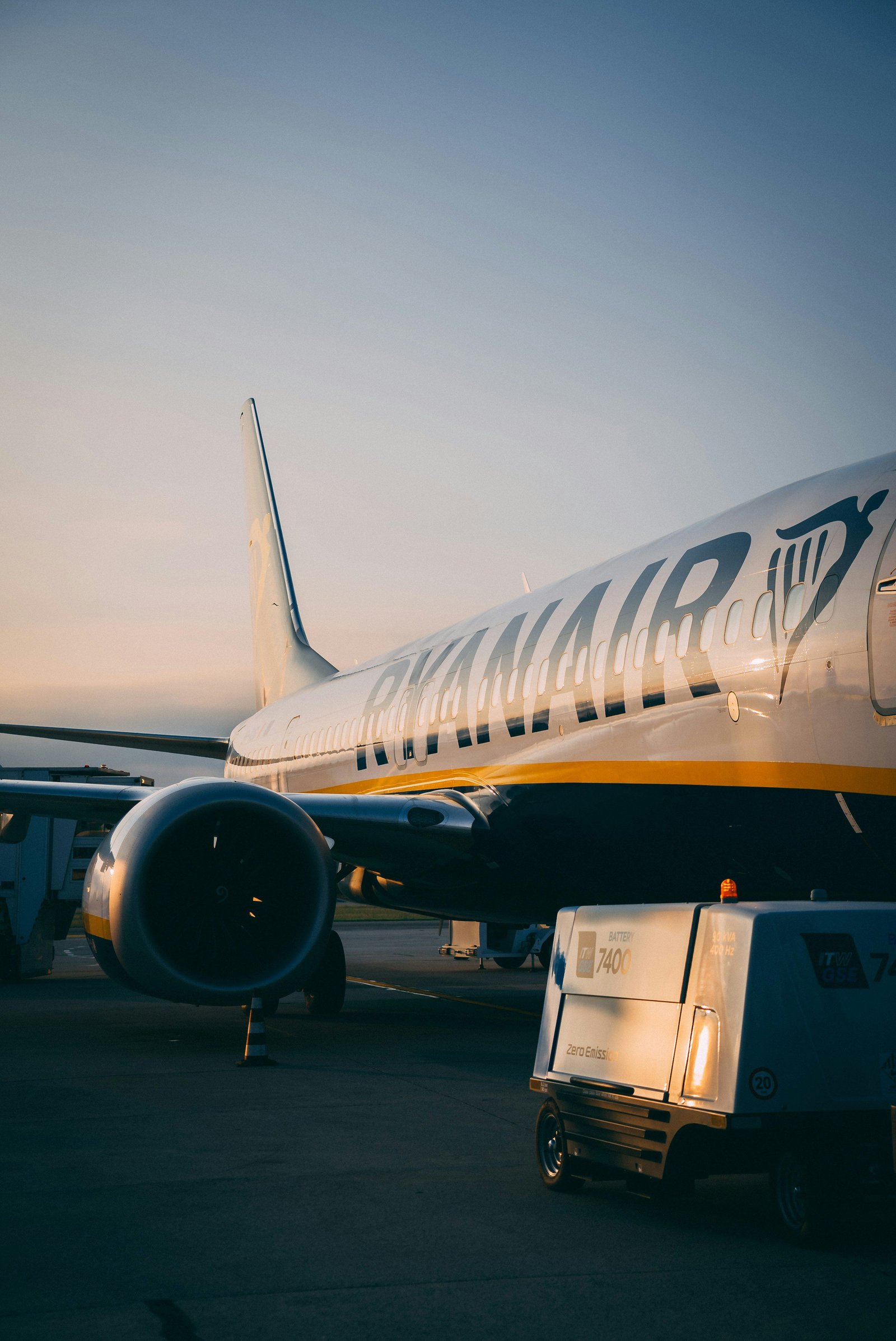
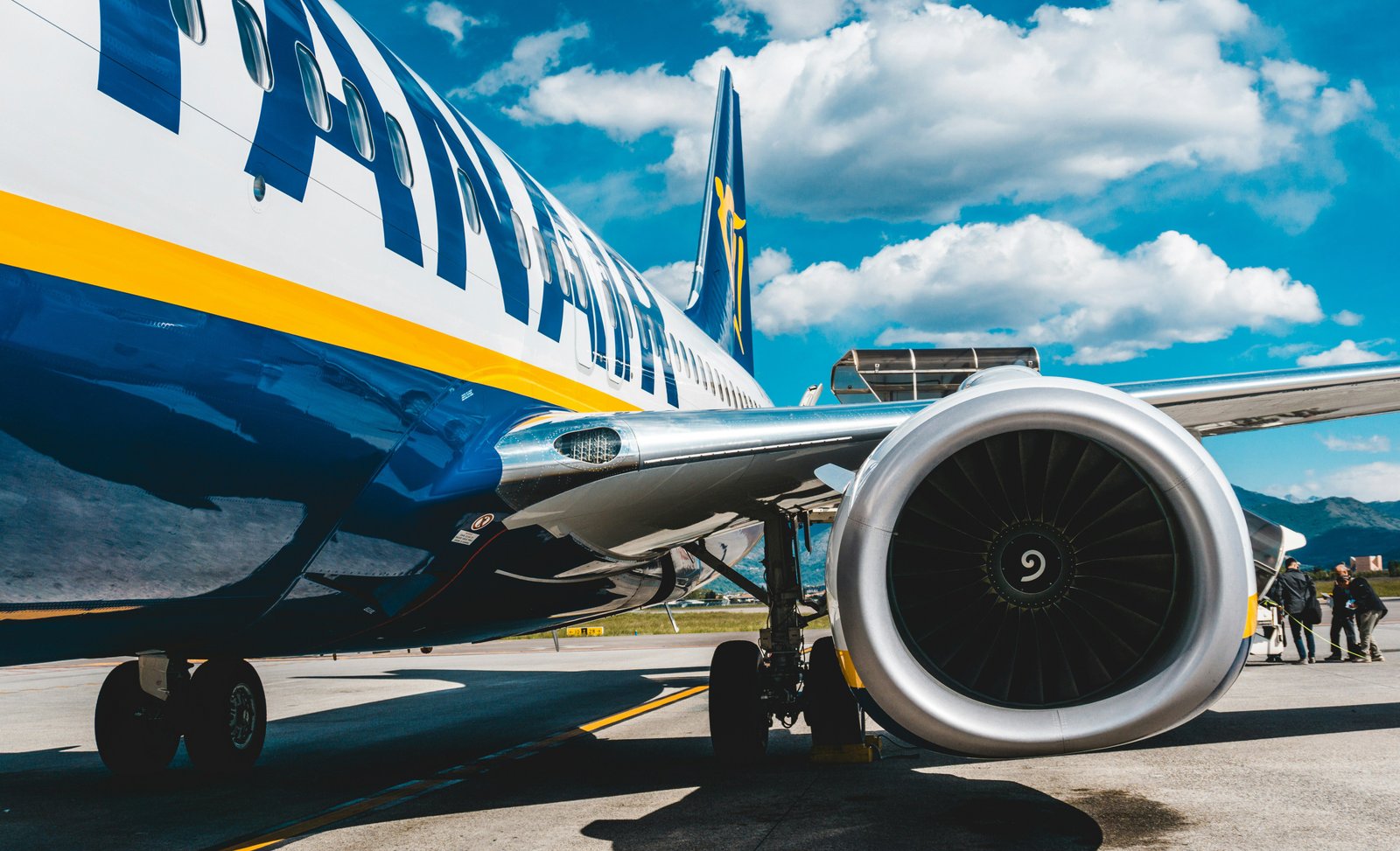
An Aer Lingus flight from Dublin to Rome was diverted to Evreux, France. Ryanair flights from Madrid, Copenhagen, and London Stansted to Sofia were also affected, with the London flight diverted to Plovdiv, Bulgaria. A LOT Polish Airlines flight from Warsaw to Brussels, a WizzAir flight from Milan to Warsaw diverted to Vienna, and two FinnAir flights from Helsinki to Rome and Vienna were also targeted.
Four unidentified flights at Prague airport and three at Madrid airport were also affected.
The Threat Email
A source at Aeroporti di Roma, which manages Rome’s two airports, confirmed that hoax threats for the Helsinki-Rome and Dublin-Rome flights came from an anonymous email written in Italian with the subject heading “segnalazione minaccia” (“threat warning”).
The email was signed on behalf of “Fighters of the Male State,” claiming to be targeting a “feminist regime” and wanting to make its “mark on history.” The email also threatened to “turn the skies red” with explosions.
The Response
Spanish authorities confirmed three flights were affected by hoax bomb threats at Madrid’s airport, adding that security forces had ruled out any risk. Bulgarian authorities cleared all three Ryanair planes that landed at Sofia and Plovdiv, with no threat confirmed. Romanian intelligence services also cleared a WizzAir flight that landed in Bucharest.
EU transport commissioner Apostolos Tzitzikostas said it was “too early to draw conclusions on whether the reported incidents are linked,” stressing that “any threats against civilians are unacceptable.”
Coordinated Action?
Aviation experts say fake threats occur daily, but the multiplicity of threats adjudged to be more credible appears to point to coordinated action.
Former airline pilot Captain Martin Drake said airlines have security teams who assess each threat on a traffic light scale. “If you want to deliberately disrupt a flight, then you need to do so once it’s airborne,” he said.
Captain Helen Askew, a former airline head of flight safety, said: “99% of threats don’t come anywhere near a cockpit. Typically, the threats come through calls to the airline’s reservations or customer support, or emailing the generic public mailboxes.”
Rhys Jones, an analyst at aviation intelligence firm Osprey Flight Solutions, said the threats seemed linked but “a reasonably chaotic campaign with no particular region targeted.”
The Bottom Line
At least 18 commercial flights across Europe were affected by bomb threats Thursday, with planes diverted to France, Bulgaria, Austria, and other countries. Authorities in Spain, Bulgaria, and Romania cleared the affected flights, finding no threat. An email signed by “Fighters of the Male State” claimed responsibility for some of the threats, citing a “feminist regime.” EU officials say it is too early to determine whether the incidents are linked.