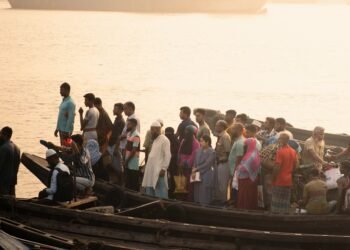
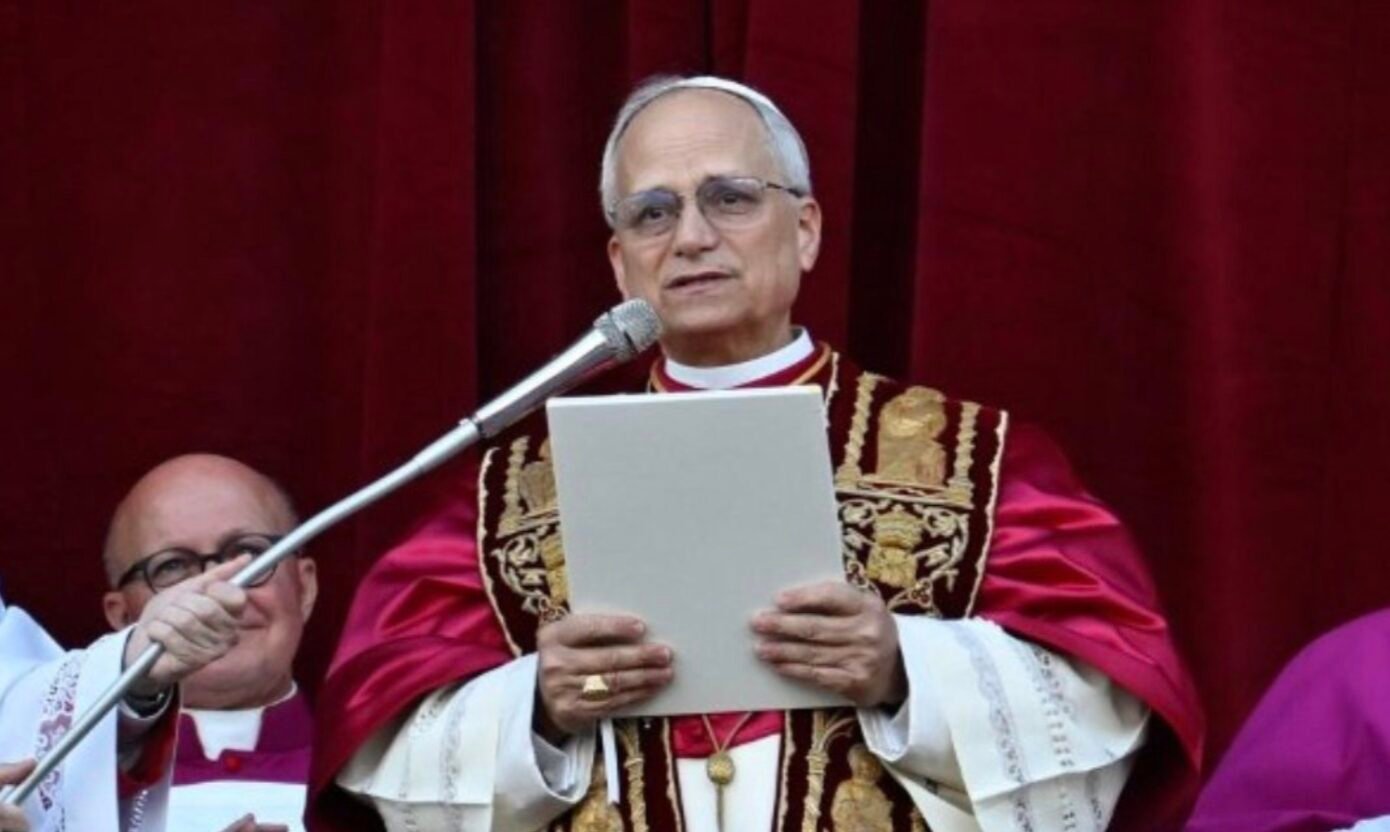

Pope Leo has a message for Catholics in the Amazon, in Africa, and in rural parishes across the world where priests are so scarce that the faithful may go months without a Mass.
Speaking to journalists aboard his flight back to Rome after a 12-day South America tour, Leo said he is not planning to change Church teaching to allow married priests. The issue, he said, is too divisive
Married priests are “a solution which in certain areas of the Church can cause division,” Leo said. “It may be in the future that some things will change. However, for right now, I believe an important part of my ministry of the church is to heal, bring people together.”
The Shortage
Most Catholic priests take a vow of celibacy. Proponents of a married priesthood say it would lead to more men becoming ministers, potentially relieving a shortage of priests that has become a major issue in many parts of the Western Hemisphere.
The issue came into the spotlight when a Vatican summit of bishops asked the late Pope Francis to press ahead and allow for the ordination of married men in remote regions like the Amazon rainforest, where the shortage is especially acute. Francis declined. So has Leo.
The Other No
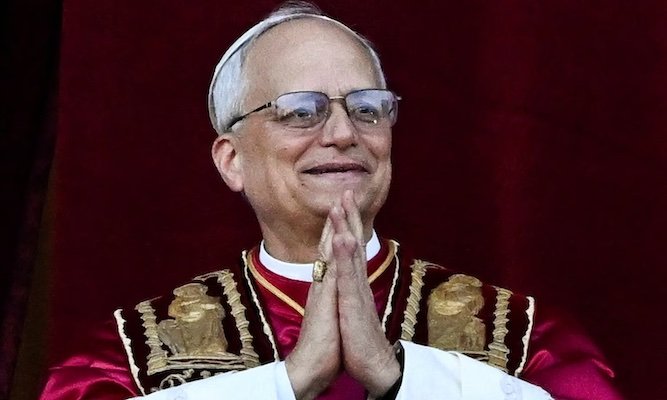
Leo also said he would not reverse Francis’s decision to limit celebration of the old Latin Mass, as urged by some traditionalist groups. He said he did not feel it would be right to reverse that decision “for the unity of the Church, for the vast majority of Catholics around the world.”
The Bottom Line
Pope Leo said he will not allow married priests, citing Church unity. He also said he will not reverse limits on the old Latin Mass. The priest shortage in many parts of the world remains unaddressed. Leo said the issue of married priests is “complicated” and may change in the future, but not now.
My Opinion
Pope Leo just told the Amazon to wait. He told Africa to wait. He told every rural parish in the world where a single priest serves a dozen villages to wait.
The priest shortage is a crisis. In parts of the Amazon, Catholics may see a priest only a few times a year. In parts of Africa, one priest may serve thousands of faithful. In rural Europe and America, parishes are being merged, churches are being closed, and the faithful are being told to drive an hour to find a Mass.
And the Pope’s response? Married priests would cause division. So the answer is no.
In essence, he is saying that unity matters more than access to the sacraments. He is saying that the feelings of traditionalists matter more than the spiritual hunger of the faithful. He is saying that the rules matter more than the people.
He is not the first pope to say this. Francis said it too. But Francis at least pretended to struggle with it. He opened the debate, let the bishops talk, and made it seem like he was listening. But Pope Leo is not pretending; he is not even pretending. He is just saying no.
The Catholic Church is facing an existential crisis in many parts of the world. Priests are aging. Vocations are declining. Churches are emptying. And the men who could fill the gap — married men, men with families, men who have already answered the call to serve — are being told they are not welcome.
There is a reason the Church has survived for two thousand years. It is not because it has never changed. It is because it has changed when it had to. It allowed the Mass in local languages. It allowed deacons to be married. It allowed converts to become priests. It has changed before and it can change again.