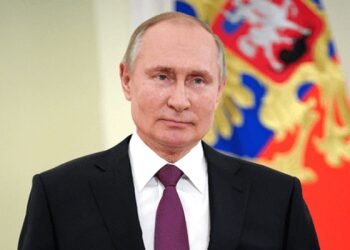
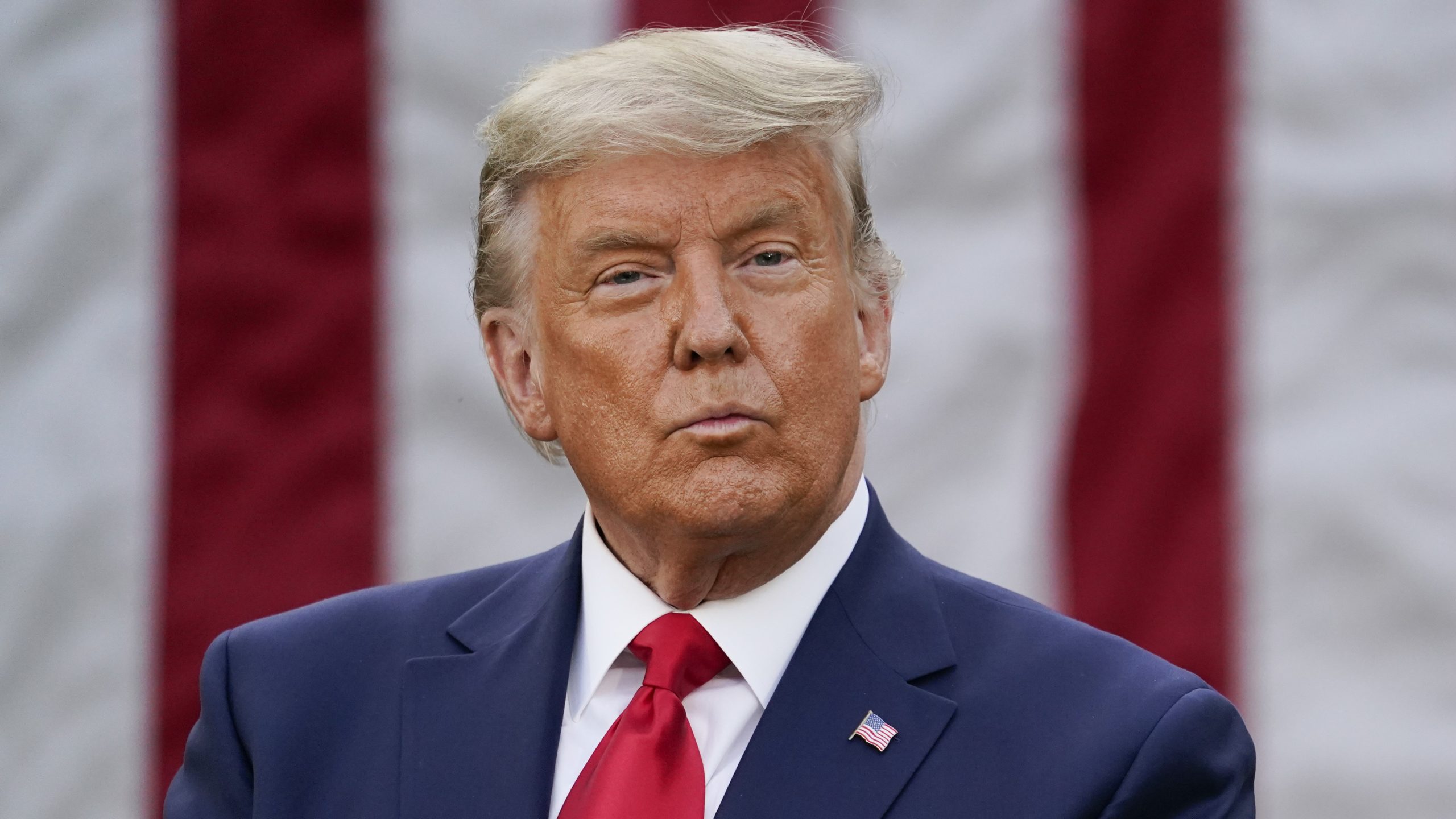

U.S. and Silicon Valley are watching closely as questions swirl around why Trump won’t cut ties with ousted Nvidia CEO Jensen Huang. Even after an explosive espionage and chip-smuggling scandal forced the billionaire tech chief to resign. Rather than distancing himself from Huang following his late-October ouster over an affair with Alice Huang, a former executive at Singapore-based Megaspeed whom U.S. intelligence officials suspected of working for Chinese intelligence, President Donald Trump has publicly defended the former executive, doubted whether any national security breach occurred, and even called the idea of reinstating him “not a bad idea”. Political observers point to a mix of shared personal grievances against U.S. intelligence agencies, immense economic interdependence, and a lucrative two-way alliance built over the past two years.
A Lucrative Two-Way Alliance Built on AI Growth and Political Access
Since early 2025, Trump and Huang cultivated a close, mutually rewarding partnership that elevated Nvidia into the centerpiece of the administration’s economic narrative.
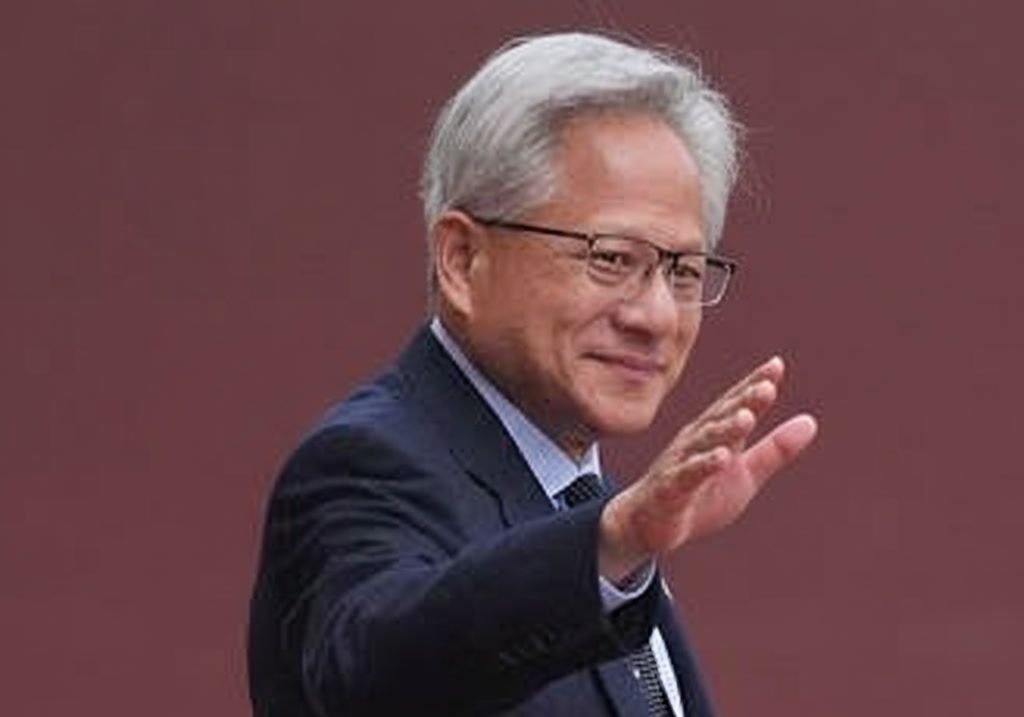
Analysts estimate that more than half of the stock market gains during Trump’s second term stemmed from artificial intelligence expansion and massive data center construction powered by Nvidia hardware, making Huang’s success vital to the president’s economic pitch.
Trump invited Huang aboard Air Force One for a state visit to Beijing, kept him on the President’s Council of Advisors on Science and Technology, and awarded him the National Medal of Science in October, the same day financial disclosures showed Trump had bought up to $1.6 million and sold up to $1 million in Nvidia stock over the summer. Around the same period, Nvidia committed $25 million toward Trump’s planned White House ballroom.
Trump has long viewed U.S. intelligence assessments with suspicion after years of battling investigations into his own campaigns, leading analysts to note that he readily sympathizes with a wealthy business titan facing intelligence allegations involving foreign ties.
Congressional Scrutiny and Nvidia’s Future Leadership
While Trump downplays national security concerns and questions whether Alice Huang was truly a spy, lawmakers on Capitol Hill are pressing ahead with oversight. Three congressional committee chairs announced that Jensen Huang has agreed to a transcribed interview on December 1, followed by Nvidia general counsel Tim Teter on December 2, to examine potential national security breaches. Meanwhile, Nvidia’s board chair has stated the company has no plans to reinstate Huang despite Huang saying he would return if asked, and Treasury Secretary Scott Bessent has urged the chipmaker to hire its next chief executive from outside the firm. Still, Trump’s continued loyalty underscores the central mystery of why Trump won’t cut ties with ousted Nvidia CEO Jensen Huang, even as federal investigators and Congress dig deeper into the fallout.
My View
When a president stands up to defend a fallen corporate titan over the warnings of his own intelligence and national security officials, ordinary citizens have every right to ask whose interests are really being protected.
High-level politics and billionaire lobbying have become so tightly woven together, through $25 million ballroom donations, stock trades, Air Force One invitations, and presidential medals, that basic accountability gets pushed aside the moment scandal hits.
A CEO whose secret affair with an executive at a company accused of smuggling 240,000 restricted AI chips to China is not suffering from a harmless personal mistake; he sat at the helm of America’s most sensitive technology supply chain while massive security red flags were ignored.
Public trust demands clear boundaries between personal loyalty, corporate money, and national defense. No executive, no matter how much stock market wealth or political flattery he brings to the table, should ever be treated as too big or too connected to face real accountability.