
Rihanna has never been afraid to push boundaries. But her latest campaign for Dior has pushed into territory that even her most devoted fans are struggling to defend.
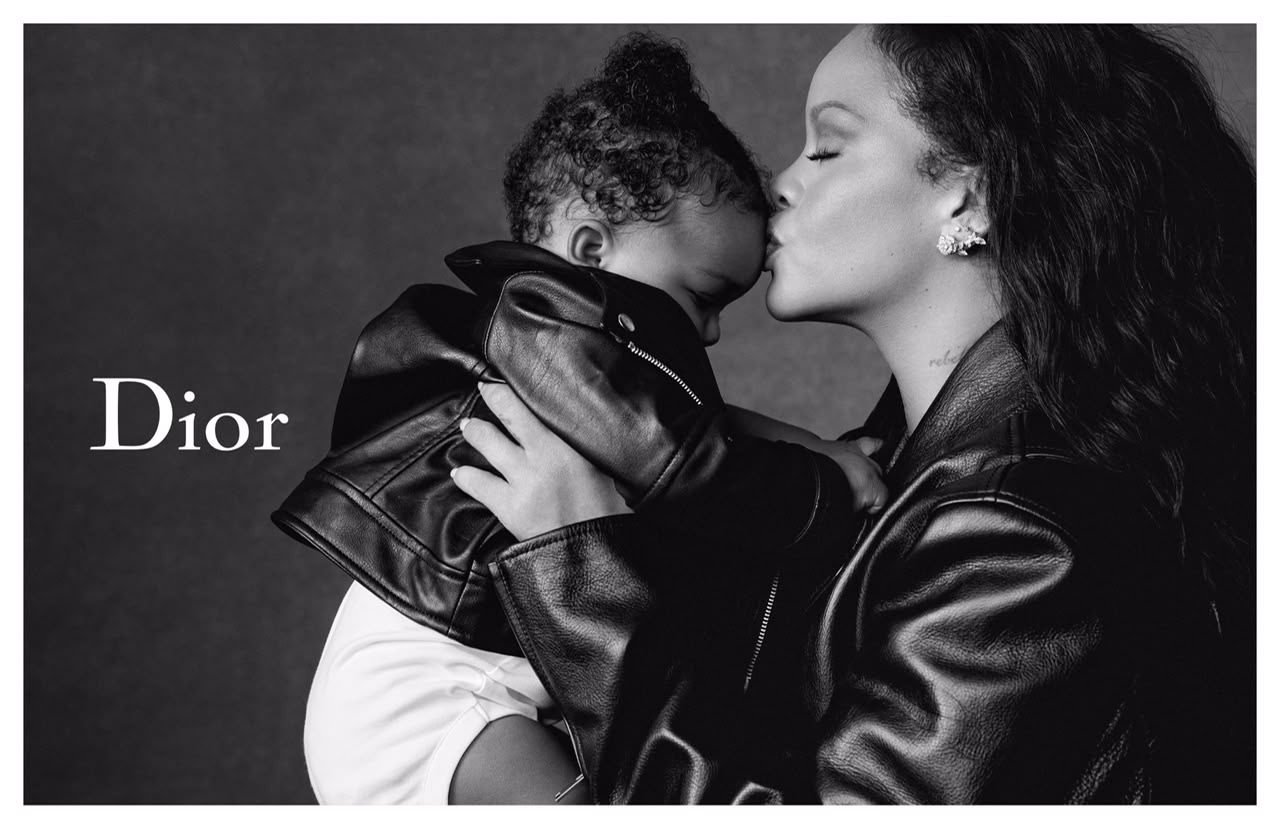
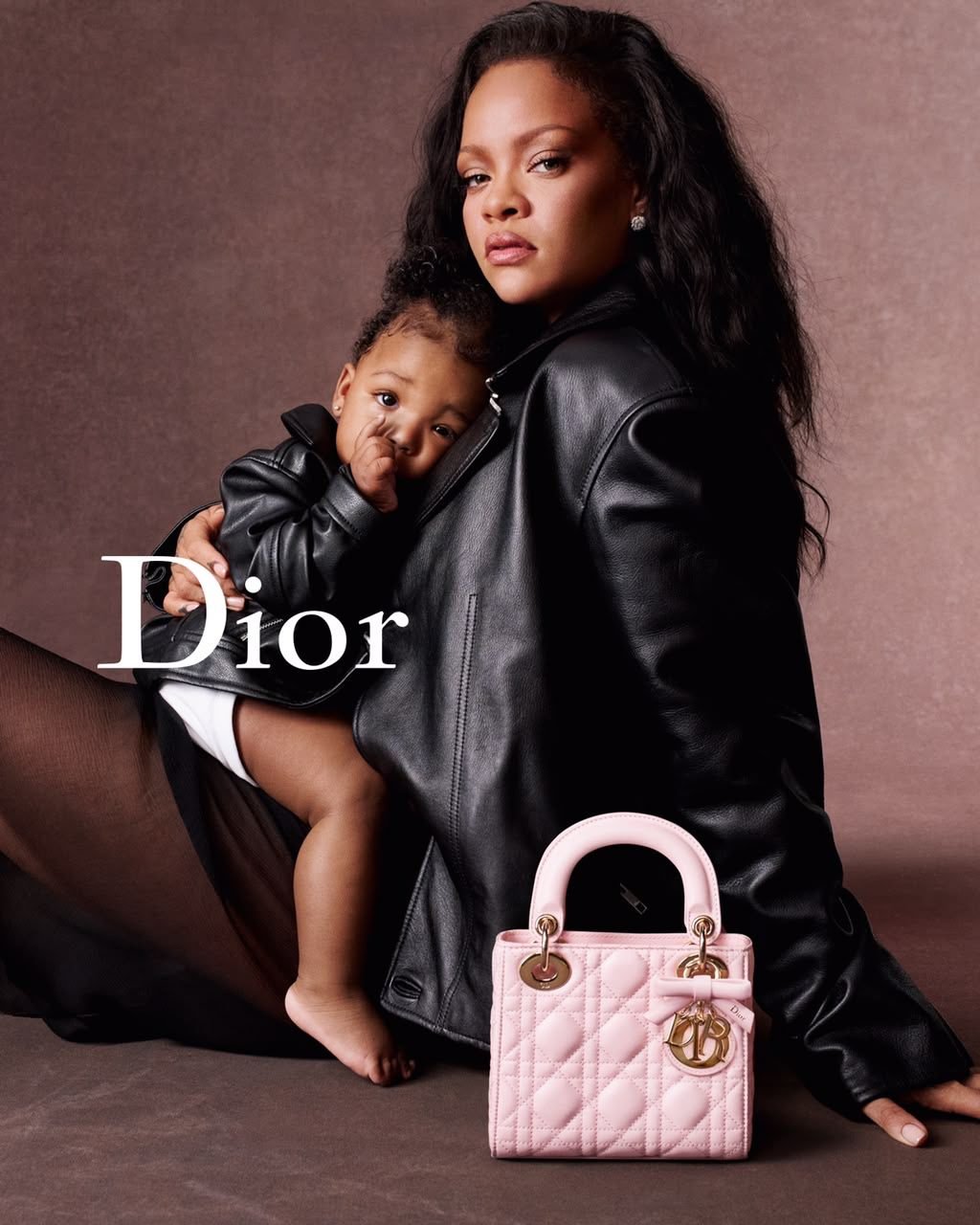
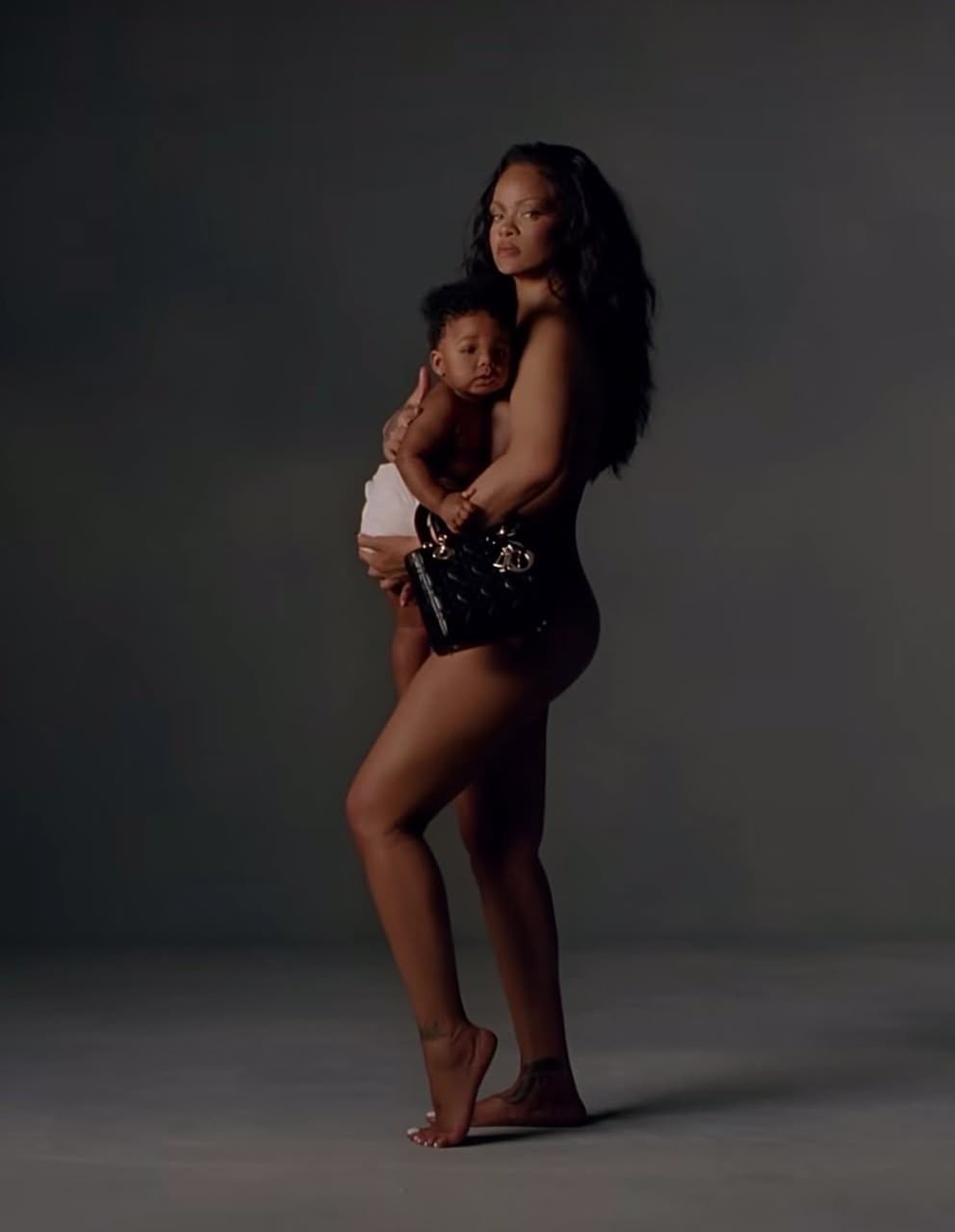
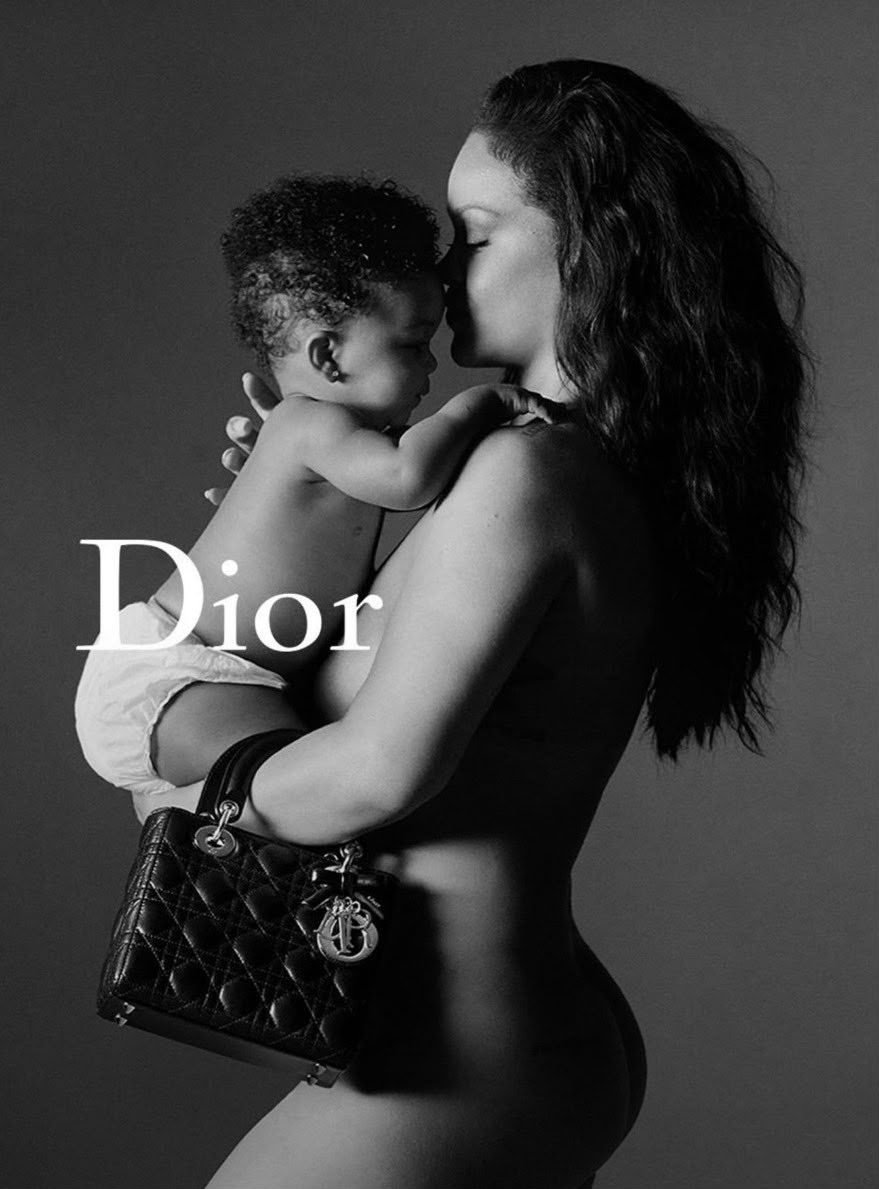
On November 19, 2026, Dior released its Lady Dior 2027 campaign featuring Rihanna and her 14-month-old daughter, Rocki Irish Mayers. The images show mother and daughter in matching oversized black leather jackets, with Rihanna holding a pale pink quilted Lady Dior bag. In a companion film, Rihanna appears completely nude, cradling Rocki—who is wearing only a diaper—against her chest. A black quilted Dior bag covers Rihanna’s lower body.
The campaign was created under the creative direction of Jonathan Anderson, with photography by Sam Rock and a film directed by Melina Matsoukas. The visuals also feature music by Nigerian Afrobeat pioneer Fela Kuti.
Within hours of its release, the campaign had drawn over 2.7 million likes and 28,000 comments on Instagram. The reactions were immediate. And they were deeply divided.
The Defense: “Motherhood Like Royalty”
For some, the images are a powerful celebration of motherhood and modern femininity. Rihanna framed the campaign around the concept of women as multifaceted beings. “A woman is a prism,” she said. “Like light passing through a prism and unfolding into multiple dimensions, each colour reveals itself from a different angle. There is no single way to truly define us”.
Fans praised the intimacy of the mother-daughter bond. One commenter wrote that Rihanna “wears motherhood like royalty”. Others said the visuals “beautifully captured motherhood” and saw the images as a creative commemoration of a private, tender moment.
For this camp, nudity is not the point. The relationship is. The bag is almost incidental. Dior is selling a feeling—warmth, closeness, the glow of new motherhood—and Rihanna is the vessel.
The Backlash: “Nudity with an Infant Is Weird”
However, a lot of people felt that the campaign crossed a line.
The central criticism is not about Rihanna’s body. It is about the presence of her child in a sexually charged context. The combination of a nude mother and a diaper-clad toddler, used to sell a luxury handbag, felt uncomfortable to a significant portion of the audience.
“Nudity with infant presence is weird ASF,” one user wrote. “You’re a successful black woman and don’t need to exploit your kids to sell stuff”
Another commenter was more direct: “You want to parade around naked that’s your choice but leave the kids out of it, you’re just asking for some pervert freak to come for your kids at this point”.
One user questioned the ethics of involving a child who cannot consent: “If she had the ability to make a choice, she wouldn’t agree to this”.
The criticism also drew comparisons to the recent Sydney Sweeney campaign, which featured the actress posing with sports equipment covering her body. “We are hating on Sydney Sweeney while she does the same thing,” one user noted.
The Bigger Question: Should Children Be in Luxury Ads?
Beyond the specific campaign, the controversy has reignited a broader debate: how far can a luxury brand go in using the image of a very young child to sell a product?
Fashion United framed the question directly: “Is this the objectification of the female body and the commercial exploitation of a child’s image, or is it raising the visibility of motherhood and expressing a multifaceted contemporary femininity? The question remains open”.
Dior has not issued a public statement addressing the criticism. Rihanna has not responded to the backlash.
The Prior Context: Rocki’s Modeling Debut
This is not Rocki’s first appearance in a fashion campaign. In April 2026, she appeared with Rihanna on the cover of W Magazine’s “Pop Issue,” photographed by Tim Walker in Dior Haute Couture. Rocki wore a custom designer diaper and matching headpiece.
Rihanna’s son, Riot Rose, also made headlines for appearing on six covers of Arena Homme+ Issue 66. Critics at the time questioned the ethics of putting a young child in the spotlight, particularly a shirtless photoshoot.
The pattern suggests that Rihanna is intentionally weaving her children into her brand narrative. Whether that is a celebration of family or a commercial calculation is the question at the heart of the debate.
The Bottom Line
Rihanna’s Dior campaign is not the first time a celebrity has been criticized for using their children in advertising. But the intensity of the reaction—the 28,000 comments, the global headlines, the divided fanbase—suggests something deeper.
In an era where celebrity children are increasingly visible, and where the lines between personal brand and family are increasingly blurred, the question of where to draw the line is more urgent than ever.
For Dior, the campaign has achieved what luxury brands often seek: attention. Whether it has achieved something else—respect, trust, or a lasting connection with consumers—remains to be seen.
And for Rihanna, the woman who has built an empire on being unapologetically herself, this moment may be the first time her instincts have been so publicly questioned.