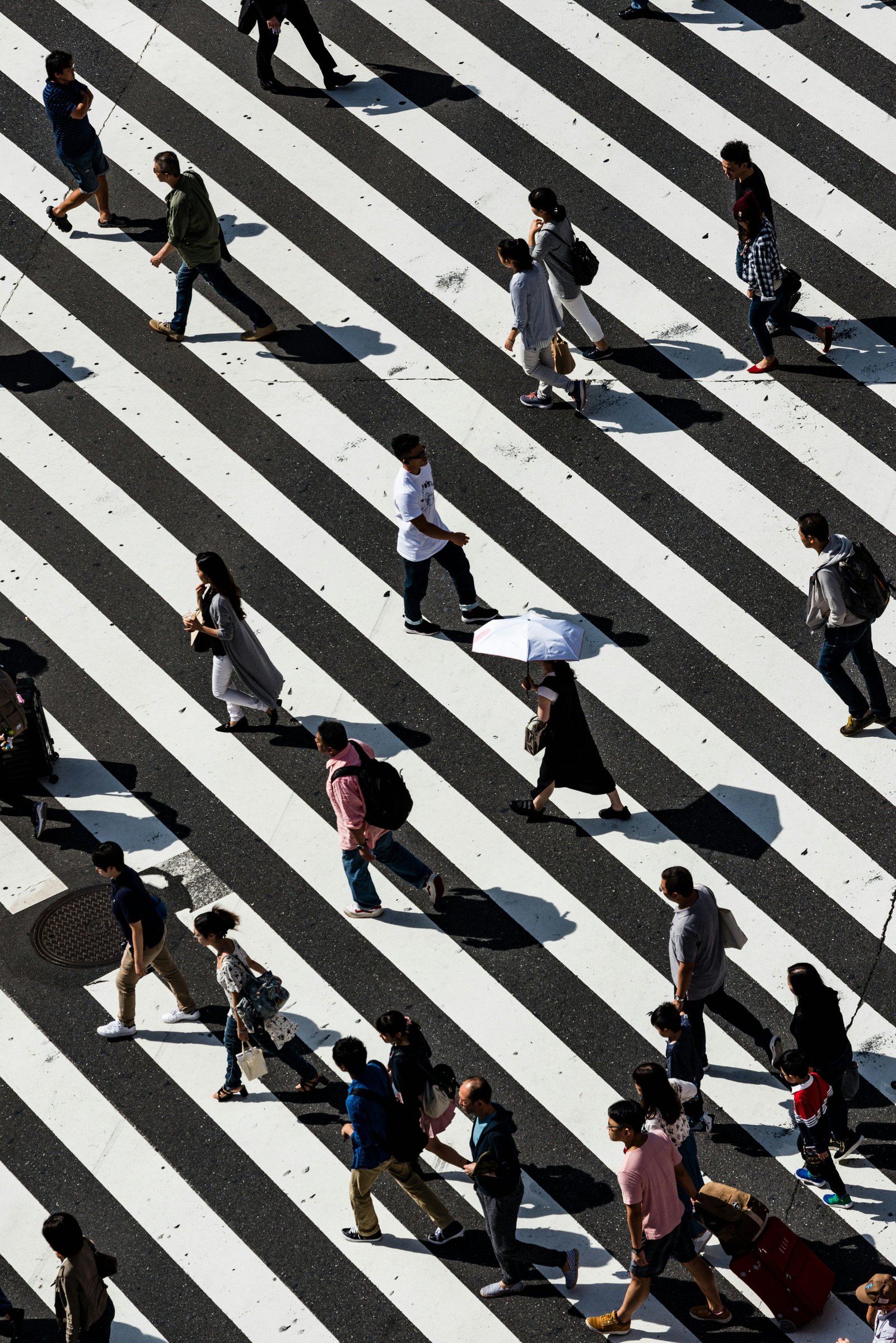

Instead of crowning a brand-new internet slang term or tech buzzword, one of the world’s leading language authorities reached all the way back to the 15th century, explaining why ‘Human’ won Cambridge Word of the Year for 2026. Announced this week by Cambridge Dictionary, the selection reflects growing global anxiety over artificial intelligence blurring the boundary between people and machines. Derived from the Latin word “humanus” and recorded in English since the 1450s, “human” is defined by Cambridge as having the qualities, faults, and feelings that people possess, as opposed to gods, animals, or machines.
How AI Anxiety Reshaped Everyday Language in 2026
Cambridge lexicographer Colin McIntosh explained that rapid advances in automation have forced people across every field, from research mathematicians to primary school teachers, to reconsider what happens when societies outsource too much thinking to algorithms.
Major dictionaries have tracked the rise of artificial intelligence for years. Collins Dictionary chose “AI” in 2023 and “vibe coding” in 2025, Cambridge picked “hallucinate” in 2023 to describe fabricated AI outputs, and Merriam-Webster selected “slop” in 2025 for low-quality automated content. Choosing “human” in 2026 signals a cultural backlash as people place fresh value on authentic human judgment, flaws, and emotion.
Microsoft co-founder Bill Gates commented on the selection, noting that artificial intelligence is prompting people to reflect more deeply on what it means to be human and arguing that technology should be measured by how much it genuinely improves human lives.
Cambridge’s 2026 runner-up terms echoed the exact same tension between automation and real-world presence, including “agent” (an AI system capable of making decisions and acting independently without human control) and “analogue” (experiences or physical objects completely disconnected from digital technology and the internet).
Reclaiming Value in an Automated World
As automated text, synthetic voices, and autonomous software flood workplaces, classrooms, and social feeds, readers and consumers are increasingly scrutinizing whether what they see online comes from a real person or a machine. By looking backward to one of the oldest words in the English language, why ‘Human’ won Cambridge Word of the Year comes down to a simple cultural realization: the more capable machines become, the more fiercely people want to protect what makes humanity irreplaceable.
My View
Technology is supposed to serve people, yet too often today it feels as though people are being asked to shrink themselves to fit the convenience of algorithms.
Automated tools can summarize reports, draft code, and speed up routine tasks, yet they do not feel grief, moral responsibility, lived experience, or genuine empathy. When classrooms, newsrooms, and workplaces treat human judgment as an inconvenient bottleneck to be replaced, society loses the heart that makes ideas meaningful in the first place.
Progress only deserves the name when it frees human beings to think deeper, create bolder work, and connect more honestly with one another. Machines can imitate our words, but only real people can give those words soul and accountability.