

The Baltimore City Council has approved additional funding of nearly $143 million for the police, fire, transportation and sheriff’s departments, even as the city faces an estimated $36.3 million budget deficit for the 2027 fiscal year.
The approval was granted on Monday through four supplemental general fund appropriations totalling $142.75 million.
The Department of Transportation received the largest allocation of $88 million, while the Fire Department was granted $30 million. The Police Department received $22 million, with another $2.75 million approved for the Sheriff’s Office.
The transportation allocation is intended to cover a fiscal year 2026 shortfall resulting from expenses incurred during snow and ice removal operations.
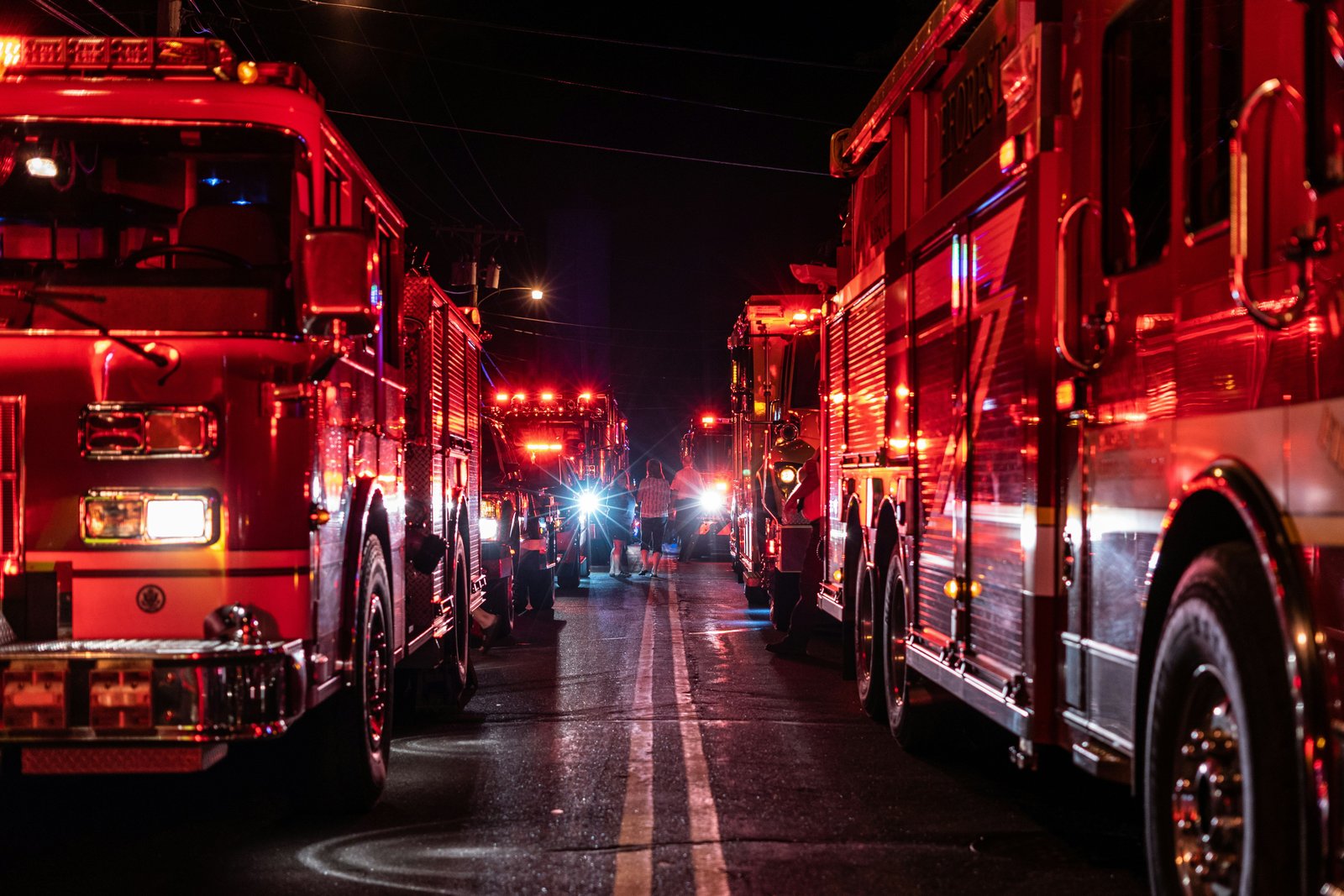
The Fire Department’s additional funding will address overtime payments, the implementation of a union agreement and vehicle maintenance. Meanwhile, the police allocation is expected to cover overtime and vehicle maintenance expenses.
The latest spending approval comes amid concerns about Baltimore’s financial management, particularly the rising cost of police overtime.
The city’s first-quarter financial projections for fiscal year 2027 indicate that the police department could exceed its overtime allocation by approximately $20.2 million, contributing to an estimated departmental deficit of $17.1 million.
A separate city audit also raised concerns about the department’s management of payments for cancelled scheduled days off, referred to as H-days.
Auditors identified about $36,000 in improper penalty payments, alongside shortcomings in record-keeping and oversight.
Speaking with FOX45 News after Monday’s council meeting, City Council President Zeke Cohen acknowledged that the additional appropriations would draw from the general fund, meaning the money could have been directed towards other public needs.
“Any time we spend money from one part of our budget, it is money that could have gone to a different part of our budget,” Cohen said.
He explained that supplemental funding requests are sometimes unavoidable when government departments encounter unforeseen expenses or require adjustments to previously approved budgets.
“We have said as a council that we want to see less of these types of supplemental bills,” Cohen said, while noting that such requests remain a regular feature of city administration.
Meanwhile, a separate proposal submitted by Mayor Brandon Scott’s administration could increase the amount residents pay for certain violations, municipal licences and public services.
Council Bill 26-0275 was introduced on Monday by Budget and Appropriations Committee Chair Danielle McCray on behalf of the administration. It seeks to revise fines, licensing costs, registration charges, permit fees and service-related payments across several city departments.
Among the proposed changes is an increase in parking meter and expired vehicle registration fines from $30 to $75. The cost of a lifetime pet licence would also rise from $100 to $300.
Other proposed adjustments cover parking violations, illegal dumping, vacant property registration, overgrown grass and weeds, snow removal violations, animal waste, construction permits and other municipal services.
The bill also seeks to introduce periodic inflation-based adjustments and permit a separate technology charge to cover the administrative expenses associated with delivering certain city services.
McCray told council members that a review conducted by the city in 2025 found that several charges had remained unchanged for decades.
She said the committee would assess the reasons behind each proposed increase and its possible consequences before deciding which adjustments should be approved.
“Our responsibility as a body is to examine this proposal on its own merits,” McCray said, adding that members would consider “who pays it, what triggers it, whether it’s justified, and whether it creates an unintended burden.”
She also stressed that penalties imposed for breaking city regulations should not be confused with payments residents make to obtain licences or access municipal services.
“A fine imposed for a violation is not the same thing as the registration fee,” McCray said.
Cohen supported efforts to bring Baltimore’s outdated fee structure up to date but expressed reservations about increases that could place additional financial demands on residents.
“What I support is we need to modernize all of city government, and we need to make sure we are modernizing our fine and fee structure as well,” he told FOX45 News.
However, he questioned the proposed increase in pet licensing charges and other fees.
“I don’t know about increasing the pet fee in this moment, and there’s a number of other fees and fines that I have some concerns about,” Cohen said.
He warned that excessive charges could discourage residents from obtaining necessary permits or complying with municipal requirements.
“I want to be very careful that we’re not inadvertently deterring people from getting pets or getting permits in the city of Baltimore, or by overcharging,” he added.
Cohen said he had discussed his concerns with McCray and the mayor’s administration, advocating for an individual review of the proposed charges instead of approving widespread increases.
He described his preferred approach as using “a scalpel instead of a hammer.”
“We should not balance our budget on the backs of working Baltimoreans,” he said.
However, Cohen distinguished between charges associated with ordinary activities and penalties designed to discourage actions that harm neighbourhoods.
He maintained that residents who engage in illegal dumping should face substantial penalties.
“If you illegally dump in my city, you are going to pay as high of a fine as is imaginable,” he said.
Cohen cited legislation he previously sponsored that raised the penalty for illegal dumping to $1,000, adding that he wanted the city to consider tougher sanctions where permitted.
He nevertheless argued that increased fines would have limited impact without effective enforcement.
“I think it’s really important that enforcement is done effectively and equitably,” he said.
According to Cohen, authorities must ensure that regulations are enforced fairly across all neighbourhoods rather than targeting some communities while ignoring similar violations elsewhere.
He also referred to a recent council hearing on parking enforcement, describing the issue as a continuing source of frustration among residents.
“I need this administration to take very seriously the need for a real enforcement plan when it comes to things like illegal dumping or high grass and weeds,” he said.
Councilman Ryan Dorsey also questioned the proposed technology fee, particularly how the revenue generated from it would be utilised.
When asked whether the proposed increases were intended to help close Baltimore’s projected budget gap, Cohen said the administration had presented the plan as an effort to update charges that had remained unchanged for several years.
“I think regardless of the fiscal climate the city or state are facing, I do think it’s important that we are periodically going back and looking because the dollar of today is not the same dollar of 10, 15, 20 years ago,” he said.
Despite supporting a review of the city’s charges, Cohen cautioned against placing additional pressure on residents already struggling with rising living costs.
“We know that many Baltimoreans are at a breaking point. I hear it every day,” he said.
He referenced the council’s opposition to proposed rate increases by Baltimore Gas and Electric (BGE), insisting that affordability should remain a major consideration in decisions affecting residents.
“We have to be thoughtful and sensitive about the affordability crunch that so many in our city and really across this country are feeling right now,” Cohen said.
The proposed changes to fines and fees have yet to receive council approval.
The Budget and Appropriations Committee is scheduled to hold a public hearing on the legislation on January 12, 2027, at 9am, before conducting a work session on January 26