
Consumer advocates and everyday motorists in the Old Line State are turning their eyes toward Annapolis as Maryland drivers urge Wes Moore to ban car feature subscription fees following New York’s bold move against automotive “junk fees.” On Monday, November 23, 2026, New York Governor Kathy Hochul signed landmark legislation (S.9348A/A.10411A) prohibiting automakers, dealerships, and third-party service providers from charging recurring subscription fees or post-purchase charges to unlock pre-installed vehicle features that carry no ongoing cost to the manufacturer. Now, Marylanders squeezed by high auto prices, insurance costs, and everyday household expenses are calling on Governor Wes Moore and the Maryland General Assembly to listen to residents and pass similar protections ahead of the 2027 legislative session.
What New York Just Did—and Why Marylanders Are Taking Notice
Under New York’s new law, which takes effect February 27, 2027, companies face civil penalties of up to $250 per violation if they lock already-installed hardware behind monthly paywalls.
The statute bars recurring charges for features using components already built into a car at the time of sale or lease, such as heated seats and remote engine start, when activating those features requires no ongoing external support or expense from the manufacturer.
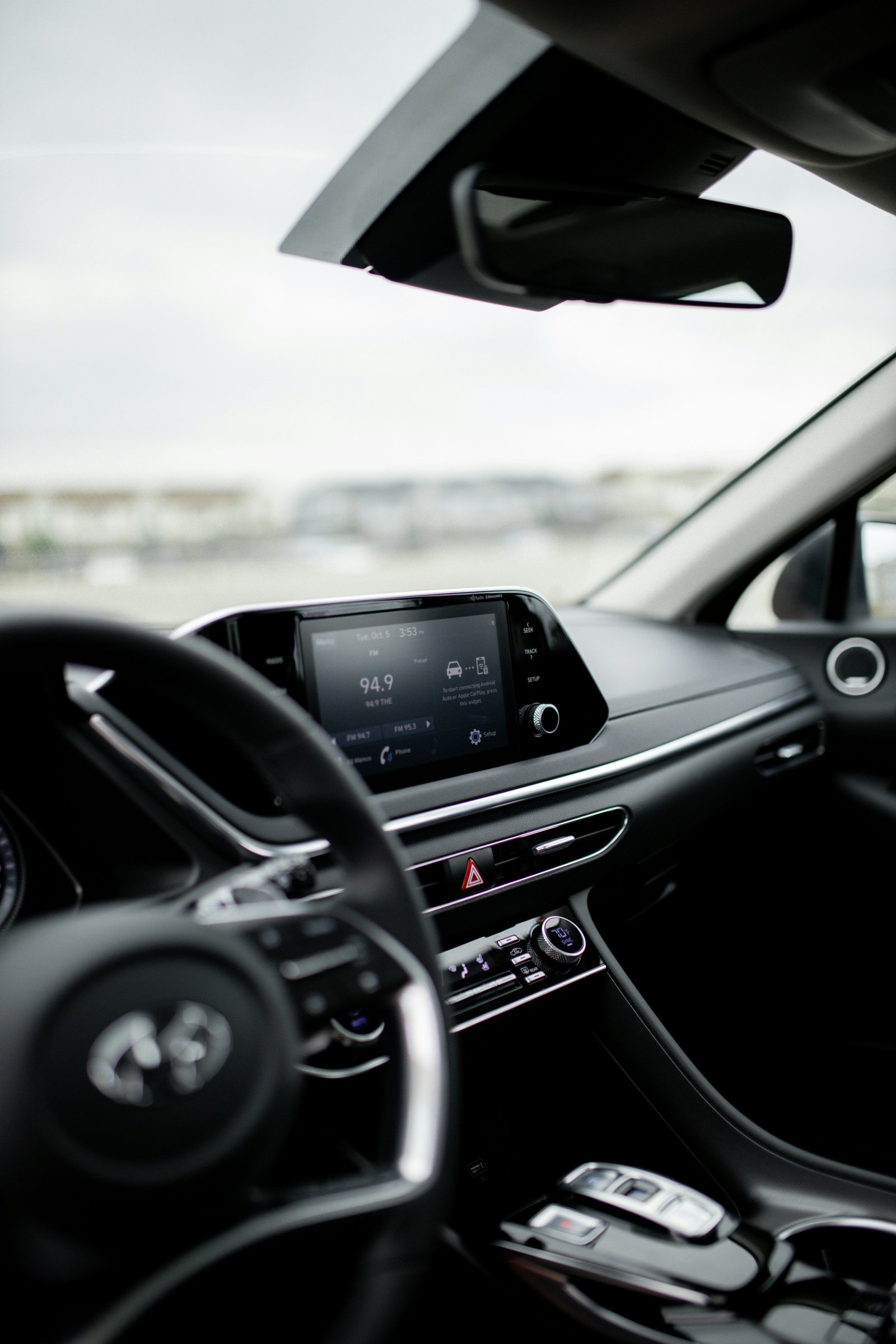
New York’s law still allows legitimate ongoing services that rely on cellular networks or continuous data updates, such as in-vehicle Wi-Fi, satellite radio, telematics, and live navigation updates, while drawing a firm line against charging drivers rent on physical parts they already bought.
Earlier in 2026, Governor Moore signed the Protection From Predatory Pricing Act (HB 895) to curb algorithmic surveillance pricing in grocery stores. Maryland drivers argue that extending that same consumer-first standard to auto dealerships and manufacturers is a natural, common-sense next step.
A Clear Test for Consumer Leadership in Annapolis
Auto dealers and industry groups have argued that subscription tiers can help lower upfront sticker prices and let buyers customize features later. Yet for working families commuting along the I-95 corridor, Baltimore, Silver Spring, and rural counties across Maryland, paying tens of thousands of dollars for a vehicle only to be billed monthly to warm a seat in January feels like pure corporate double-dipping.
My View
Charging drivers a monthly subscription to turn on heated seats or remote start that are already bolted inside their vehicle is nothing more than legalized highway robbery dressed up as “modern tech.”
Maryland families are already stretched thin by rising car payments, repair bills, groceries, and utility rates. Nobody spending hard-earned money at a dealership should have to rent back hardware that came off the assembly line inside their own vehicle. Governor Wes Moore has rightly championed cracking down on predatory pricing in grocery aisles; listening to Maryland motorists and shutting the door on automotive subscription traps is the exact same fight for basic fairness.
Good governance means stepping in before exploitative corporate habits become the new normal.
Maryland lawmakers should waste no time putting a bill on the governor’s desk that tells automakers to keep their hands out of drivers’ pockets.