


Even as the dust settles from the November 3, 2026 midterm elections, redistricting fights loom after midterms across several U.S. states, with Maryland voters already handing Democrats a major new tool to reshape congressional lines before 2028. In November’s election, Maryland voters approved a ballot amendment clearing the way for lawmakers to redraw the state’s congressional map, opening the door to potential changes that could reach across the Chesapeake Bay and target the seat held by U.S. Rep. Andy Harris, the state’s lone Republican in Congress. While sweeping Democratic midterm gains that flipped control of the U.S. House may cool off the broader mid-decade map-drawing frenzy in some states, battles over district lines are far from finished.
Maryland’s Ballot Vote and What Comes Next Across the Map
The post-election redistricting picture looks very different from state to state after a turbulent year of mid-cycle map maneuvering. With voters approving the redistricting amendment on the November ballot, Maryland joins a list of states where political mapmakers are weighing moves ahead of the next congressional cycle, even as earlier pre-2026 efforts faced court and legislative roadblocks.
Ahead of the 2026 midterms, President Donald Trump pushed Republican-led states to redraw maps to protect a narrow House majority, sparking retaliatory moves in states like California and Virginia. Yet political analysts note that aggressive redistricting can stretch a party’s support too thin, a risk known as dummymandering, helping explain why Democrats flipped dozens of seats and captured the House despite redrawn districts in states such as Texas, North Carolina, Florida, and Alabama.
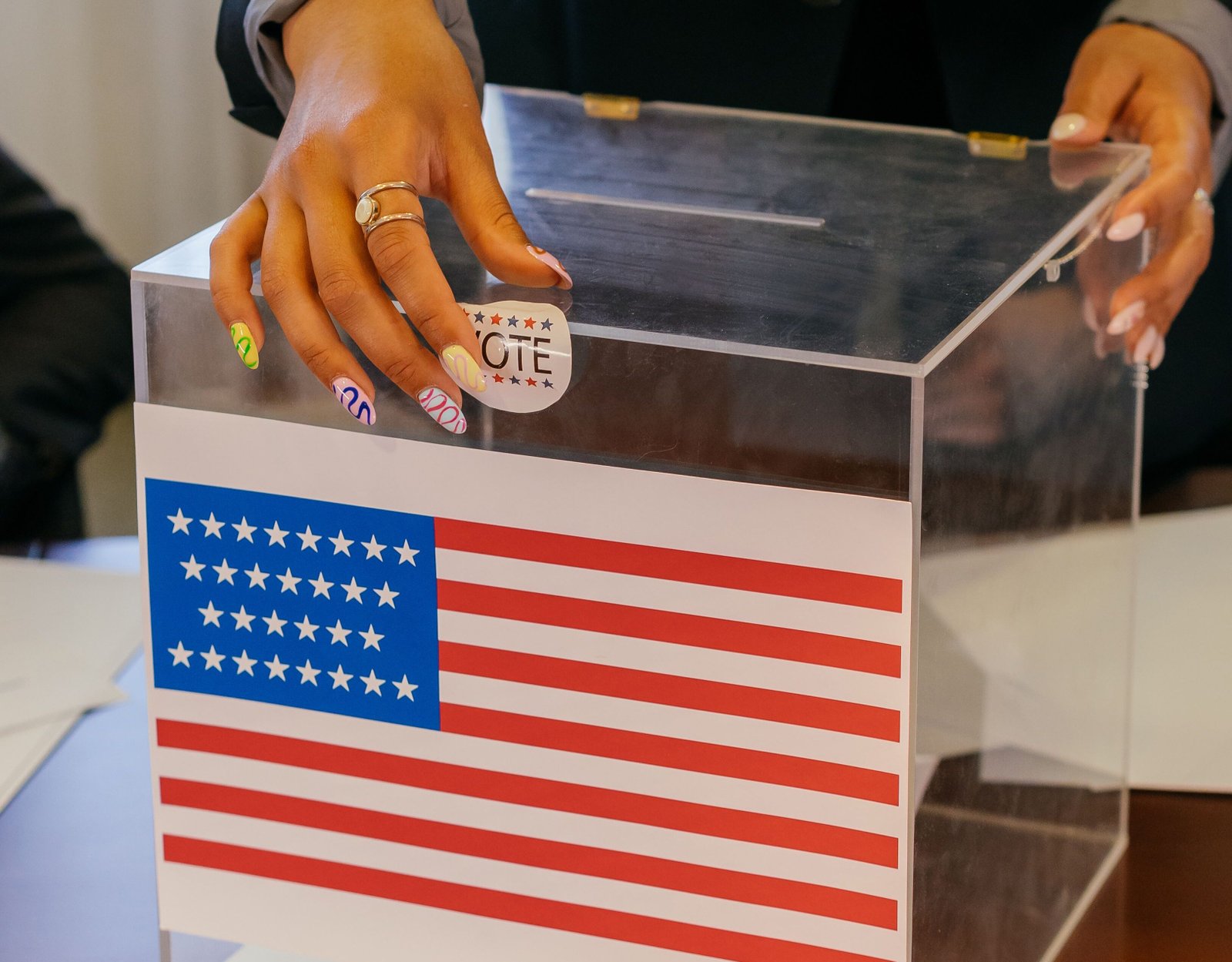
Fresh off major House gains, Democrats in states including Maryland, New York, Virginia, and Wisconsin have weighed further map options, while party leaders in Congress have also talked up federal legislation aimed at curbing partisan gerrymandering. Meanwhile, voters in states like Missouri rejected a mid-decade map measure at the polls.
Map Wars Shift Focus Toward 2028 and Beyond
Mid-decade redistricting is normally rare outside census years, yet the 2025–2026 push turned congressional boundaries into a central weapon of national politics. As lawmakers in Annapolis and other state capitals weigh their next moves, redistricting fights loom after midterms as a reminder that drawing lines does not guarantee seats when voter sentiment shifts.
My View
Watching politicians treat congressional maps like a private chessboard before voters even cast a ballot is frustrating no matter which party holds the pen.
When mapmakers carve up districts to lock in safe seats and silence competitive races, everyday voters lose real leverage over their representatives, and accountability gets harder to enforce. Even worse, as the 2026 midterms showed, over-engineered maps can backfire badly when voters decide they want change at the ballot box.
Fair representation starts with transparent rules, compact communities of interest, and honest competition where candidates actually have to earn votes. Politicians should spend their energy solving real problems for constituents instead of obsessing over lines on a map.