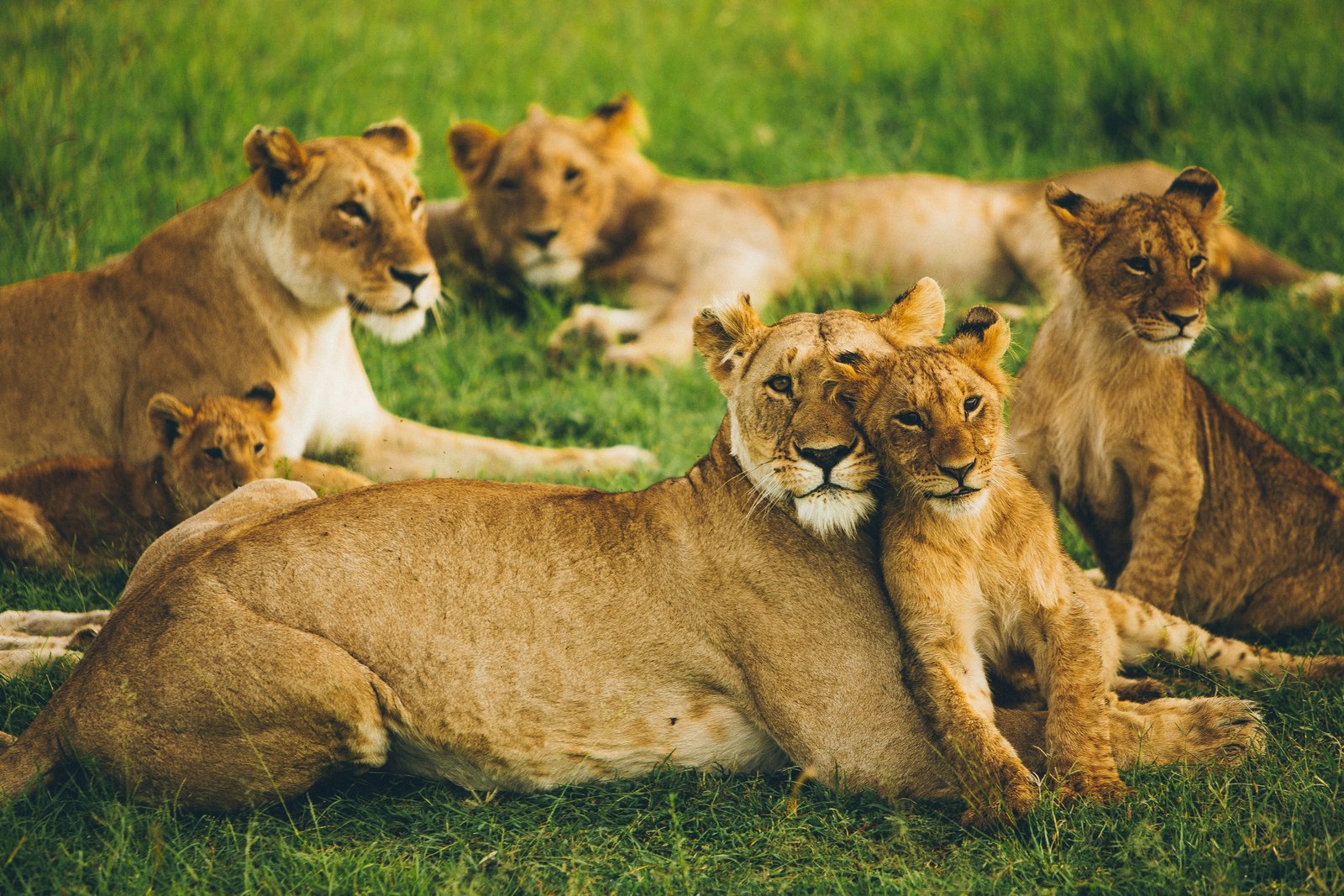

Wildlife officials in East Africa are investigating a tragic incident after 10 lions were found dead in the famous Ngorongoro Conservation Area in Tanzania. Authorities reported that the animals were discovered on September 18 in the Ndutu region, with initial findings pointing directly to suspected chemical poisoning. The UNESCO World Heritage site is home to one of the world’s densest big cat populations, but growing friction between conservation authorities and local indigenous communities has raised concerns that human-wildlife conflict may be behind the poisonings.
What Caused the Tragedy?
Local park managers and environmental investigators are looking into every aspect of this sudden loss of wildlife.
Suspected Chemical Poisoning: Preliminary autopsy reports indicate that the pride died shortly after eating poisoned meat or drinking from contaminated water sources.
Land disputes have escalated since 2022 as the government attempts to relocate resident populations to protect natural habitats. Lions are already listed as vulnerable by international conservation bodies due to habitat shrinking and prey loss. Nearby borders have seen similar issues, with at least 20 elephants recently dying from suspected pesticide exposure in nearby Kenya.

Opinion
It is heartbreaking to read news about majestic animals dying because of human disputes. When you hear that 10 lions were found dead in a famous natural reserve, it shows that the current way we handle conservation is deeply broken. Forcing local communities off land their ancestors lived on for decades creates anger, poverty, and resentment. When people feel that wild animals are valued more than human lives and livelihoods, conflict becomes almost impossible to avoid.
Poisoning wildlife is wrong and cruel, but simply punishing local communities will not solve the underlying issue. Governments cannot just build fences and push people away without offering real economic support and land rights. True conservation only works when local residents are treated as partners who benefit from protecting animals. Until we address land displacement and community rights fairly, these tragic poisonings will keep happening.