
The streets of Minneapolis have settled back into a more familiar rhythm. Few federal agents are seen on patrol. Parents no longer race to pull children from schools at the first sign of an SUV with blacked-out windows. The network of observers who track ICE movements remains active, but on a far smaller scale than before.
But everyone from Mayor Jacob Frey to teachers, doctors, lawyers, and immigrants who live and work here says the relative calm is an illusion. Beneath the surface, the city is still reeling from Operation Metro Surge — the Trump administration’s three-month immigration crackdown that left a trail of trauma, economic devastation, and unanswered questions.
“The full-throttle attack that we experienced with Operation Metro Surge was not limited just to ICE agents,” Frey said. “We’re seeing other forms of attacks”.
The Economic Toll
The economic damage from January alone totals $203 million, according to Frey’s office. Some 76,000 residents were too afraid to go to work or saw their workplaces shut down entirely.
Business owners describe the aftermath as worse than COVID, but without any federal relief.
“We’re just living in the dark here,” said Dr. Lane Miller, an oncologist at Children’s Minnesota. His patients, many from immigrant families, are still too terrified to leave their homes for treatment.
He cited 50% no-show rates for appointments for children with sickle cell disease or active cancer — conditions where missed treatment can be fatal.
“Even single doses that are missed two years into therapy can increase your risk of relapse,” Miller said. “And a relapse is much harder to treat”.
One 14-year-old boy with leukemia stopped taking his medication after his father — his primary caregiver — was detained by ICE five weeks ago. Distant family members staying with the boy did not understand his medical regimen or ensure he was taking his medicine. When he finally came in, blood work confirmed the worst.
The Children Who Vanished
Brenda Lewis, superintendent of Fridley Public Schools, is staring at a $1 million budget hole she blames directly on the surge.
Nearly 100 of her students have vanished. Some moved to districts not targeted by ICE. Some were deported with their families. Many she simply cannot account for.
Since Minnesota funds schools based on enrollment, each missing child represents about $10,000 in lost funding. The district has also lost $130,000 in nutrition funding since December.
“None of this is something that we trained for as educators — and it feels like there is no end date to these new challenges we face,” Lewis said.
She has sued the Trump administration seeking to restore a rule making schools immigration safe havens. She’s now an in-demand resource for superintendents across the nation who call her with fears of an immigration crackdown.
From Whistles to Cash Drops
In the Phillips neighborhood, home to a high concentration of immigrants, the visible crisis of January and February has given way to something quieter but still urgent.
Alexandria Gomez, a substitute teacher, launched a rent-relief GoFundMe that has raised over $730,000 since January. She delivers cash personally to families who don’t trust anyone else to bring it.
A woman she visited was finally thinking about returning to work when she spotted ICE outside her building and retreated back to her apartment.
Gomez fears another surge in spring or summer. She points to scores of SUVs with blacked-out windows — the type used on immigration raids — recently delivered on car haulers to the building ICE agents use as a staging ground. Reuters witnessed the delivery of half a dozen vehicles on Wednesday.
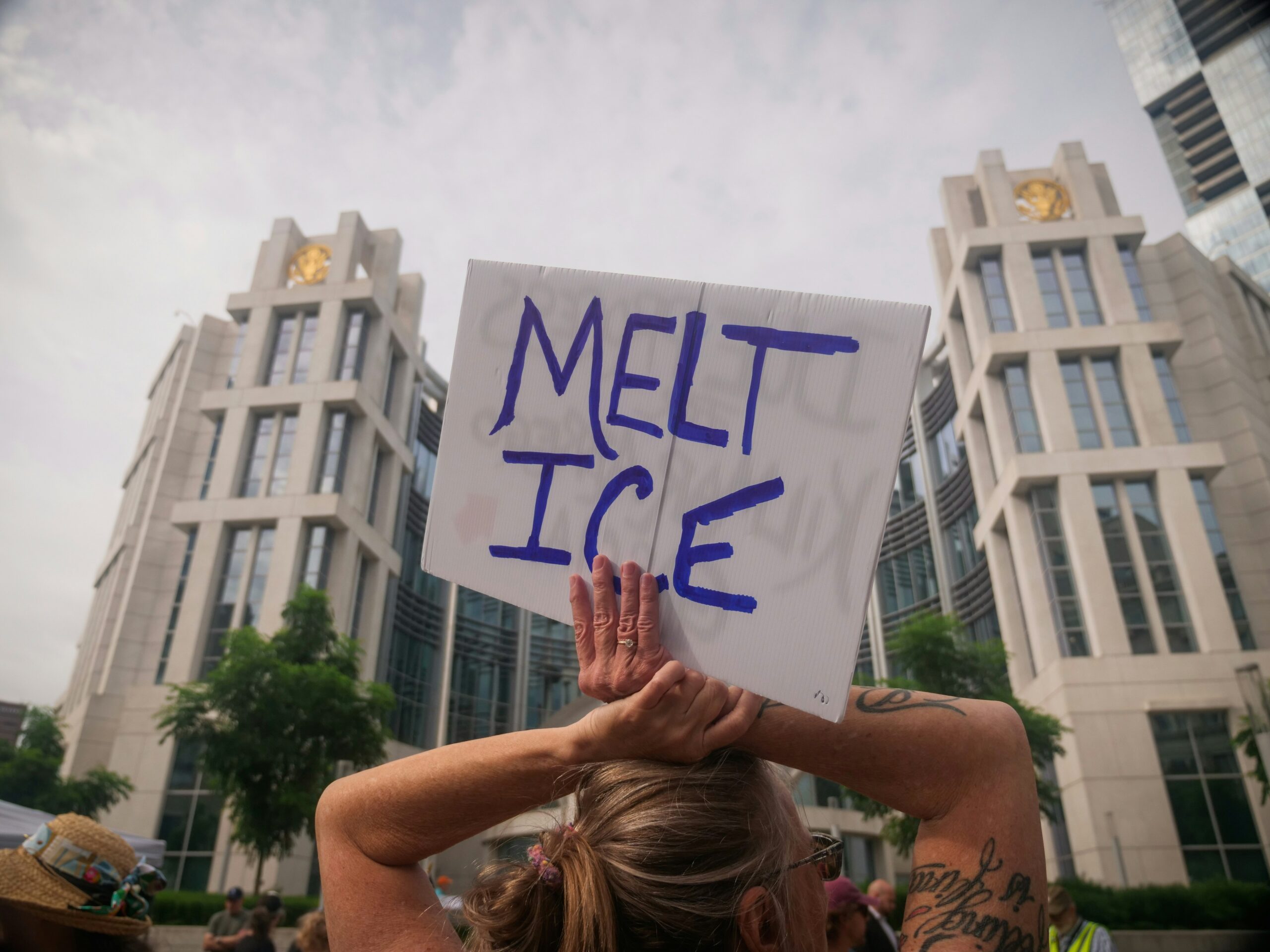
“What this attack has done is create an entire city of people who are now deeply involved in their communities and who stand ready to resist,” Gomez said.
The Federal Response
The Department of Homeland Security did not respond to requests for comment. A White House spokeswoman pointed to “cooperation that did not exist before” between local officials and the federal government, but provided no details.
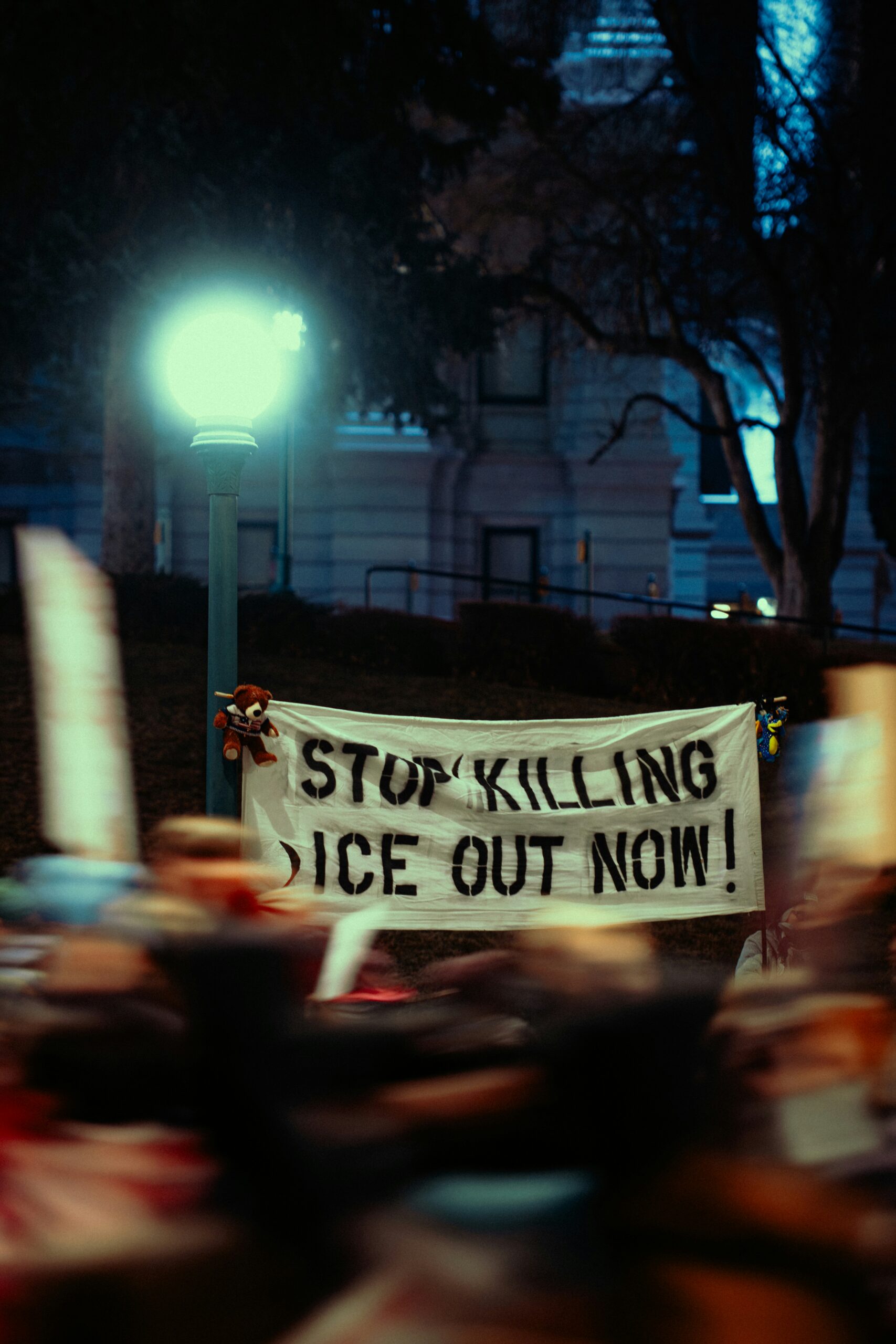
It remains unclear how many arrests have been made in the month since border czar Tom Homan announced the drawdown of an operation that resulted in agents fatally shooting two American citizens — Renee Good and Alex Pretti.
Frey hasn’t spoken with anyone from the Trump administration in weeks.
“People were killed. Families were torn apart. Businesses were closed,” he said. “I’m not holding my breath — but it’s the right thing for them to step up and correct some of the damage that they caused”.
The Lingering Trauma
Many of the city’s residents still wear red whistles around their necks — used to sound an alert if they spot immigration agents — though there has been little need to raise the alarm lately.
But the trauma remains. Over two dozen residents who spoke with Reuters described a city trying to recover. Some are struggling to pay rent or buy food because they lost their jobs or remain too fearful to leave their homes.
Many described a collective feeling of trauma — a city still in shock, even as the streets look normal again.
The agents are gone. The raids have moved to communities outside the city. But in Minneapolis, the damage is done. And no one knows how long it will take to heal.