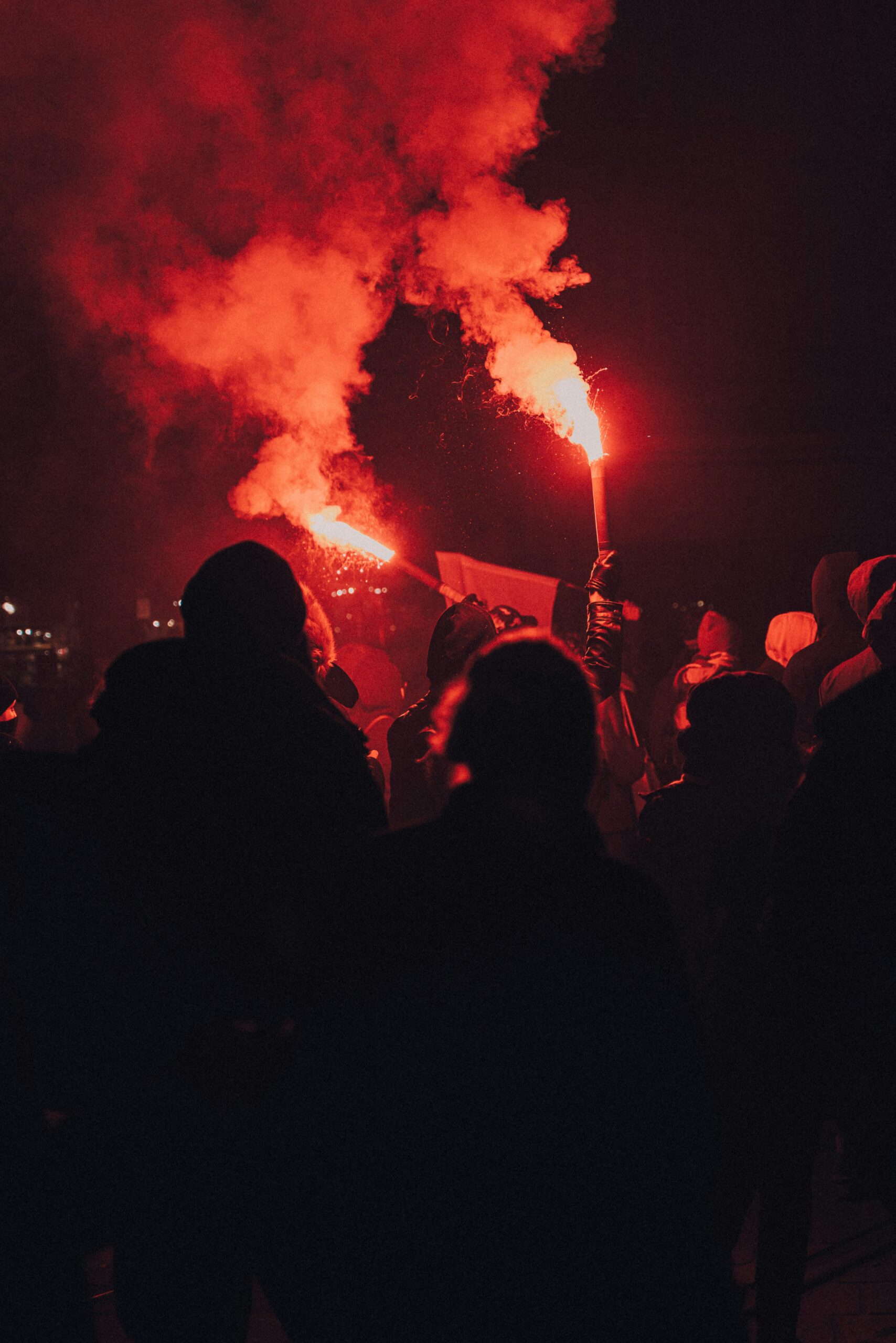
In a remarkable display of democracy a.k.a people power, Bulgaria’s government has been forced to surrender, announcing it will scrap its controversial 2026 budget plan after tens of thousands of protesters flooded the streets of Sofia and cities across the nation in a massive revolt against corruption and tax hikes.
The dramatic government retreat came after one of the largest rallies in the capital in years, where a sea of demonstrators filled the square in front of parliament, demanding a change in leadership and chanting against what they called a budget designed to hide “widespread government corruption.” The protests, which saw clashes with police and attacks on ruling party offices, culminated in a blunt official statement that the draft budget would be withdrawn entirely—a direct victory for the streets over the state.
President Rumen Radev, in a fiery social media post before the government’s capitulation, declared: “Bulgarians said NO to this government… There is only one way out: resignation and early elections.” The protests underscore a deep and growing crisis of confidence in a nation plagued by political instability and graft, forcing a weak minority coalition to abandon its first major financial plan just as Bulgaria prepares to join the eurozone.
Why It Matters
The Bulgarian government didn’t just tweak a tax code; it was compelled to publicly incinerate its own budget by the sheer force of popular anger, revealing a ruling coalition so weak it can’t even pass its most fundamental piece of legislation.
The protesters also didn’t win with negotiations; they won with numbers, filling squares across the country with a unified message that corruption will no longer be tolerated. When a government is so distrusted that its financial plan is seen not as economic policy but as a “mafia” scheme, that government has already lost its mandate to govern.
President Radev’s call for “resignation and early elections” is the logical next step. Scrapping the budget is an admission of failure, not a solution. Bulgaria’s political class now faces a simple choice: heed the clear voice of the streets and step aside, or face an even angrier and larger revolt next time. The power has unmistakably shifted to the people.