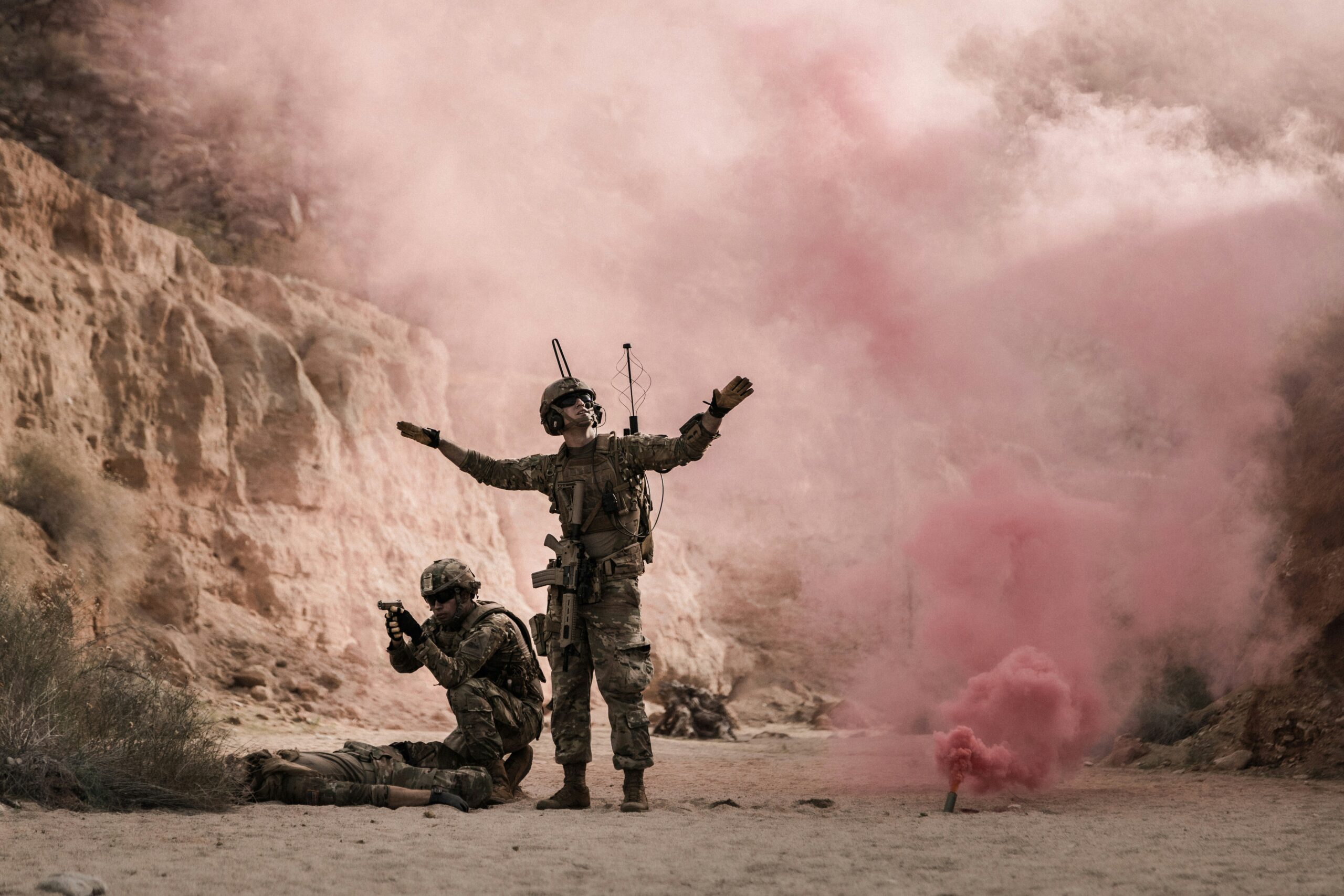

The 1,600-mile border between Pakistan and Afghanistan is once again a battlefield, shattered by artillery duels that sent residents fleeing and corpses to the morgue. But the immediate exchange of fire—each side blaming the other for breaking a two-month-old ceasefire—is merely the muzzle flash. To understand what really sparked this sudden war zone, one must look beyond the mortar craters to a toxic brew of broken promises, insurgent safe havens, and a fundamental clash between a nation-state and an ideological emirate.
The Night the Ceasefire Died
Residents of the Afghan border city of Spin Boldak described a night of terror that began around 22:30 local time on Friday. “Pakistan’s forces attacked with light and heavy artillery,” said Ali Mohammed Haqmal, head of Kandahar’s information department, alleging civilian homes were hit. Footage showed hundreds fleeing on foot and in vehicles as the four-hour barrage lit up the frontier.
The human cost was immediate: a medical worker in Kandahar confirmed four bodies and multiple wounded at a local hospital, with three more wounded reported on the Pakistani side. In Islamabad, Prime Minister Shehbaz Sharif’s spokesperson, Mosharraf Zaidi, offered a mirror-image narrative, accusing the Taliban of “unprovoked firing” and vowing a “befitting & intense response.” A Taliban spokesman flatly countered: Pakistan had “once again initiated attacks.”
The Unraveling of a Diplomatic Fiction
This violence did not occur in a vacuum. It comes less than 60 days after Qatar and Turkey brokered a ceasefire ending the most severe clashes since the Taliban’s 2021 takeover—a deal hailed as a breakthrough. Just last week, delegations met in Saudi Arabia for a fourth round of peace talks.
They failed. No agreement was reached. Sources familiar with the talks told the BBC that while both sides agreed to continue with the ceasefire, the core dispute was left festering. The overnight barrage proves that the handshake agreement was tissue-paper thin, unable to withstand the underlying pressure.
What Sparked The Feud
The “what” is artillery fire. The “why” is an irreconcilable strategic chasm:
1. Pakistan’s Core Demand: Islamabad insists that the Taliban government in Kabul dismantle the safe havens of the Tehrik-i-Taliban Pakistan (TTP), also known as the Pakistani Taliban. This group, ideologically aligned with the Afghan Taliban, has carried out over 600 attacks on Pakistani forces in the past year alone, according to conflict monitors. For Pakistan, this is a non-negotiable issue of national security.
2. The Taliban’s Core Reality: The Afghan Taliban government is structurally and ideologically incapable of meeting this demand. The TTP are not foreign guests; they are ideological brethren. A wholesale crackdown would be seen as a betrayal of the very jihadist principles that define the Taliban, potentially sparking internal revolt and undermining their legitimacy as leaders of the Islamic Emirate. They accuse Pakistan of using them as a scapegoat for its “own security failures.”
A Regional Powder Keg Waiting To Explode
This is more than a bilateral spat as it is a proxy conflict with nuclear implications. Pakistan, a nuclear-armed state, is fighting an insurgency it believes is directed from Afghan soil. The Taliban, struggling to govern a bankrupt nation, view Pakistan’s airstrikes and demands as an infringement on their hard-won sovereignty.
The failure of Saudi-mediated talks and the instantaneous collapse of the ceasefire reveal there is no diplomatic middle ground. Pakistan cannot tolerate an insurgent sanctuary on its border. The Afghan Taliban cannot survive as an Islamic emirate if it turns its guns on fellow mujahideen.
Why It Matters
To ask “what really sparked” the fighting is to ask why a lit match explodes a gas leak. The spark was inevitable. The real failure—and the real danger—is the collective delusion that ceasefires and photo-op talks could contain a conflict born of two utterly incompatible realities.
Pakistan is trying to treat the Taliban as a conventional government bound by state-to-state obligations. The Taliban are not a conventional government; they are the victorious commanders of an insurgency, now presiding over a network of militant alliances. Until one side undergoes a fundamental transformation—either Pakistan accepts a permanent insurgent threat, or the Taliban violently repudiates its own ideological kin—this border will remain a permanent war zone.