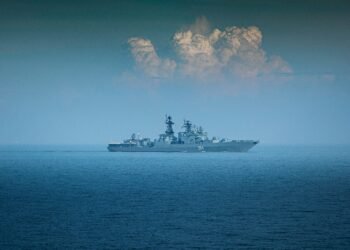
The move by Washington has pushed Venezuela’s oil business into fresh trouble, with a tough blockade ordered by Trump now squeezing how crude leaves the country. From the first day this action became public, tankers began slowing down, some stopping entirely, as fear spread across shipping routes near Venezuelan waters.
What exactly is happening
The United States has started stopping and seizing oil vessels close to Venezuela’s coast, even in international waters. This is not just talk. Ships have already been taken, and others loaded with oil are now stuck offshore. Many operators would rather wait than risk losing their vessels.
This action follows Trump’s clear order that sanctioned tankers moving in and out of Venezuela should be blocked. In simple terms, it means oil can be pumped, but moving it out safely has become a serious problem.

Why exports are already falling
Since the first tanker was seized, crude exports from Venezuela have dropped fast. Some ships are full and ready but cannot move. Others have turned back. Buyers are nervous, insurers are worried, and ship owners are doing calculations before making any move.
Venezuela relies heavily on oil sales to survive. When exports slow, dollars stop coming in. That pressure quickly spreads to salaries, fuel supply, and daily life inside the country.
Shadow ships now at risk
For years, Venezuela has used what traders call a “shadow fleet” to sell oil under sanctions. These ships often hide their locations or change names. But this new U.S. action puts them in real danger. Many of these vessels are already under sanctions, and now they face physical seizure too.
Reports show dozens of tankers sitting idle near Venezuelan waters, some already filled with crude. This is oil that cannot reach the market easily.
Global oil market watching closely
China is one of the biggest buyers of Venezuelan oil. For now, the global market still has enough supply, so prices have not exploded. But if this situation continues and close to a million barrels per day stay trapped, prices could rise.
Oil traders are watching carefully. Even a small disruption can shake markets when politics and military pressure mix with energy supply.
Military tension adds fear
This is not just about ships. The U.S. has increased its military presence around Venezuela, and Trump has spoken openly about stronger action. That language alone makes shipping companies extra cautious. No one wants to be caught in a wider conflict.
On the other side, President Nicolas Maduro says the real aim is to weaken his government and take control of the country’s massive oil reserves. Whether true or not, the tension is real and growing.
What this means for Venezuela
For ordinary Venezuelans, this pressure could mean less money for imports, more inflation, and harder living conditions. Oil is the country’s main lifeline. When it is blocked, everything feels it.
The government may look for new routes, new partners, or quieter ways to sell oil, but none of those options are easy under heavy watch.
Final thought
This blockade is already reshaping how Venezuela sells its oil and who dares to touch it. As long as U.S. forces keep stopping ships and exports stay stuck, the country’s oil trade will remain under serious strain, with effects that go far beyond the sea.