The United States has carried out airstrikes in north-western Nigeria, targeting the Islamic State group in cooperation with Nigerian authorities. President Donald Trump described the attacks as precise and deadly against what he called “terrorist scum” responsible for targeting innocent Christians. The strikes, reported in Sokoto state, form part of a broader US effort under his leadership to confront Islamist militancy in the region. Nigerian Foreign Minister Yusuf Maitama Tuggar confirmed that the operation was a joint effort, stressing that it aimed at eliminating terrorists threatening civilians.
Joint Operations and Coordination
According to Tuggar, Nigerian intelligence played a central role in planning the operation, and further strikes may follow depending on leadership decisions in both countries.
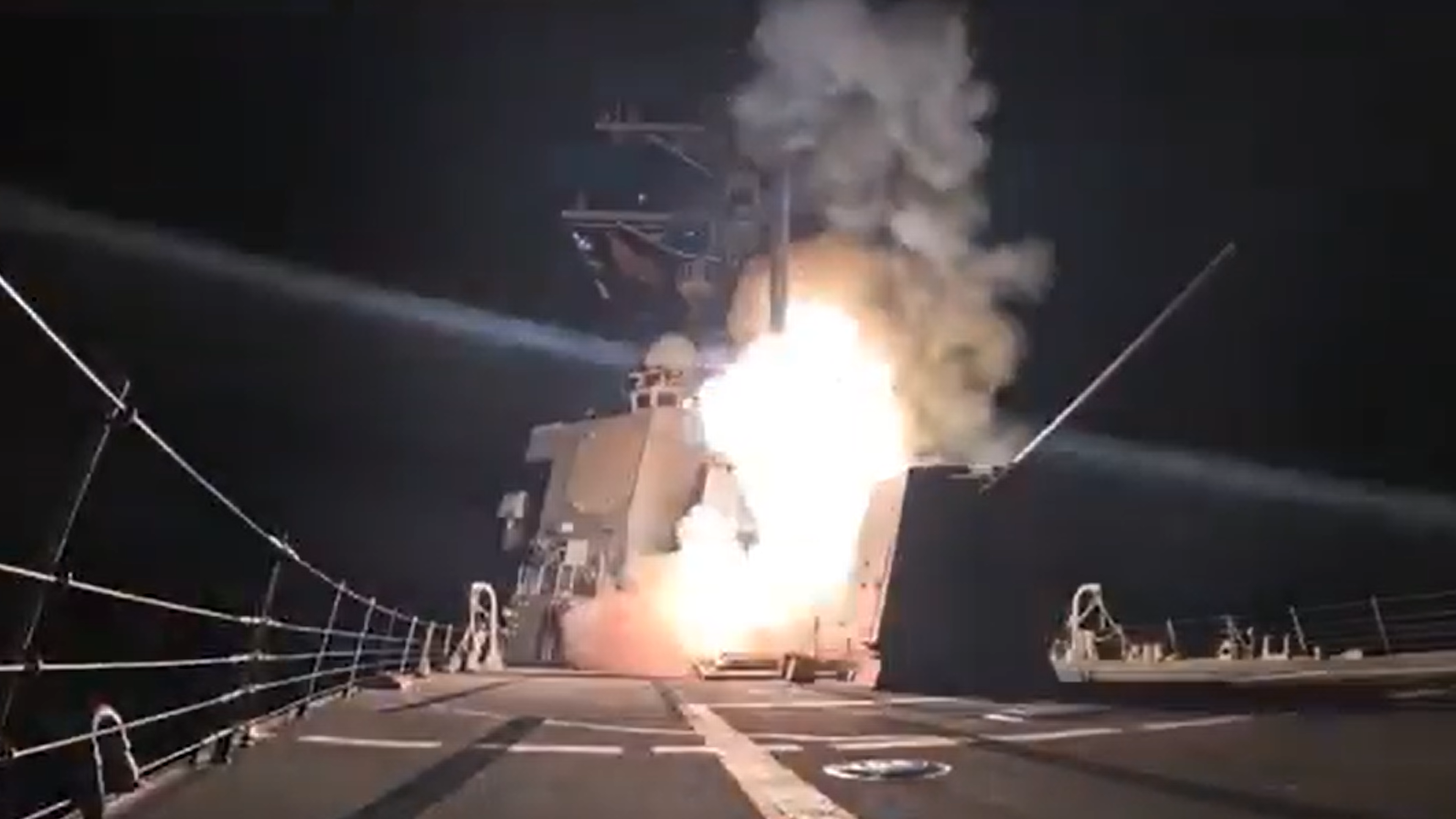
The US Africa Command (Africom) reported that Thursday’s strike was executed with military precision. US Defence Secretary Pete Hegseth expressed gratitude to Nigeria for its support, highlighting the coordination between the two nations in combating persistent terrorist threats.
The Christian Angle
Trump emphasized the Christian dimension of the violence, framing the attacks as a necessary measure to protect Nigeria’s Christian population. He declared Nigeria a “country of particular concern” due to what he claims is an existential threat to Christians, asserting that thousands have been killed in targeted attacks. The situation raises pressing questions: is this a timely intervention saving lives, or does it risk complicating an already volatile region? Many Nigerian Christians, who have long felt vulnerable to jihadist attacks, welcome the strikes, seeing them as an acknowledgment of their plight.
Terrorist Groups Involved
The Islamist groups driving the violence in Nigeria include Boko Haram and the Islamic State West Africa Province (ISWAP). These groups have spread terror for over a decade, particularly in the north-east, killing thousands of Christians and displacing many more.
Their attacks have devastated villages, churches, and communities, instilling fear among the Christian population. While the strikes target these extremists, it is clear that the jihadists continue to manipulate local grievances and exploit insecurity to maintain their hold over affected areas.
Opinions on the Strikes
From a Nigerian perspective, the US airstrikes evoke mixed feelings. On one hand, the strikes may provide immediate relief for Christians facing attacks and show a global willingness to confront jihadist groups. On the other hand, allowing foreign powers to conduct military operations on Nigerian soil raises serious concerns about sovereignty and long-term security. Labeling the strikes as protective measures for Christians, though morally compelling, risks heightening religious tension in an already sensitive environment. While some view the intervention as a lifeline for threatened communities, others see it as a dangerous precedent that could turn Nigeria into a battleground for external interests.
There is also concern that foreign airstrikes may not address the root causes of violence. Terrorist groups often exploit poverty, social inequality, and weak local governance to recruit fighters. Without a broader strategy that includes intelligence sharing, community engagement, and development programs, military action alone may offer only temporary relief.
Nigerian Sovereignty Concerns
Islamic cleric Sheikh Ahmad Gumi has publicly urged the Nigerian government to halt all military cooperation with the United States, warning that foreign involvement could make Nigeria a theater of war and attract anti-US forces. Critics argue that countries like China, Turkey, or Pakistan could assist without creating geopolitical complications. The question arises: can Nigeria protect its citizens without undermining its sovereignty?
This is a debate that strikes at the heart of national pride and self-determination.
The Bottom Line
While US airstrikes may weaken terrorist capabilities in the short term, they also raise concerns about the safety of civilians and long-term strategy. President Tinubu has emphasized that the nation’s security challenges affect Christians and non-Christians alike, highlighting the need for inclusive and careful intervention. Human rights organizations warn that all military actions must prioritize the protection of innocent lives, and that any perception of bias could further inflame tensions.