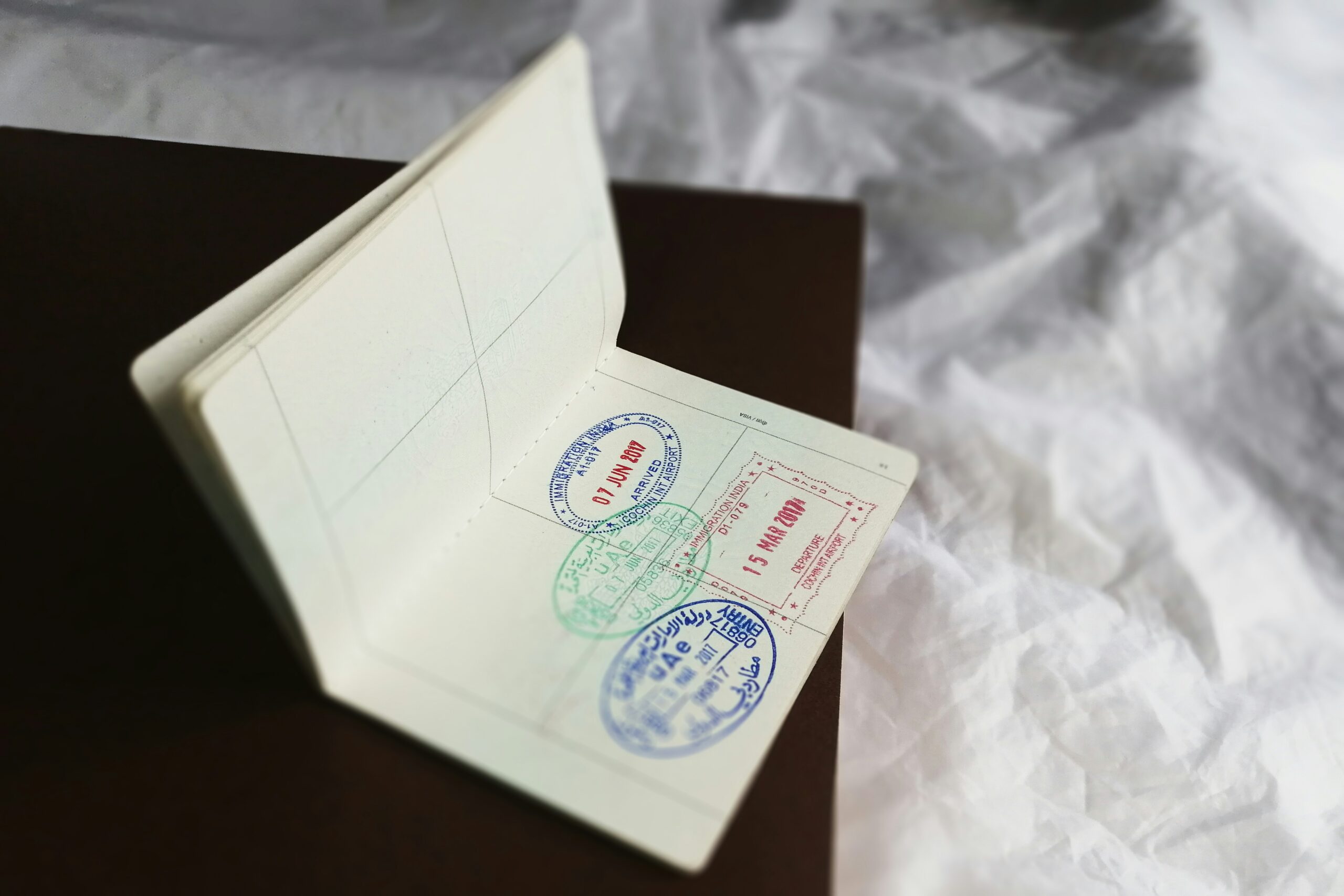

From the very start, this new U.S. visa charge facing Nigerians shows how travel is no longer just about packing bags but about who can afford the door before it even opens. What used to be a difficult process has now become openly expensive, and for many Nigerians, this latest move feels like another wall added to an already high fence.
What has really changed
The issue is not just money, but the message behind it. Nigerians applying for U.S. visas are now paying close to four hundred and forty dollars when all charges are added together. This includes the normal application fee, a new integrity charge, and small processing costs that add up.
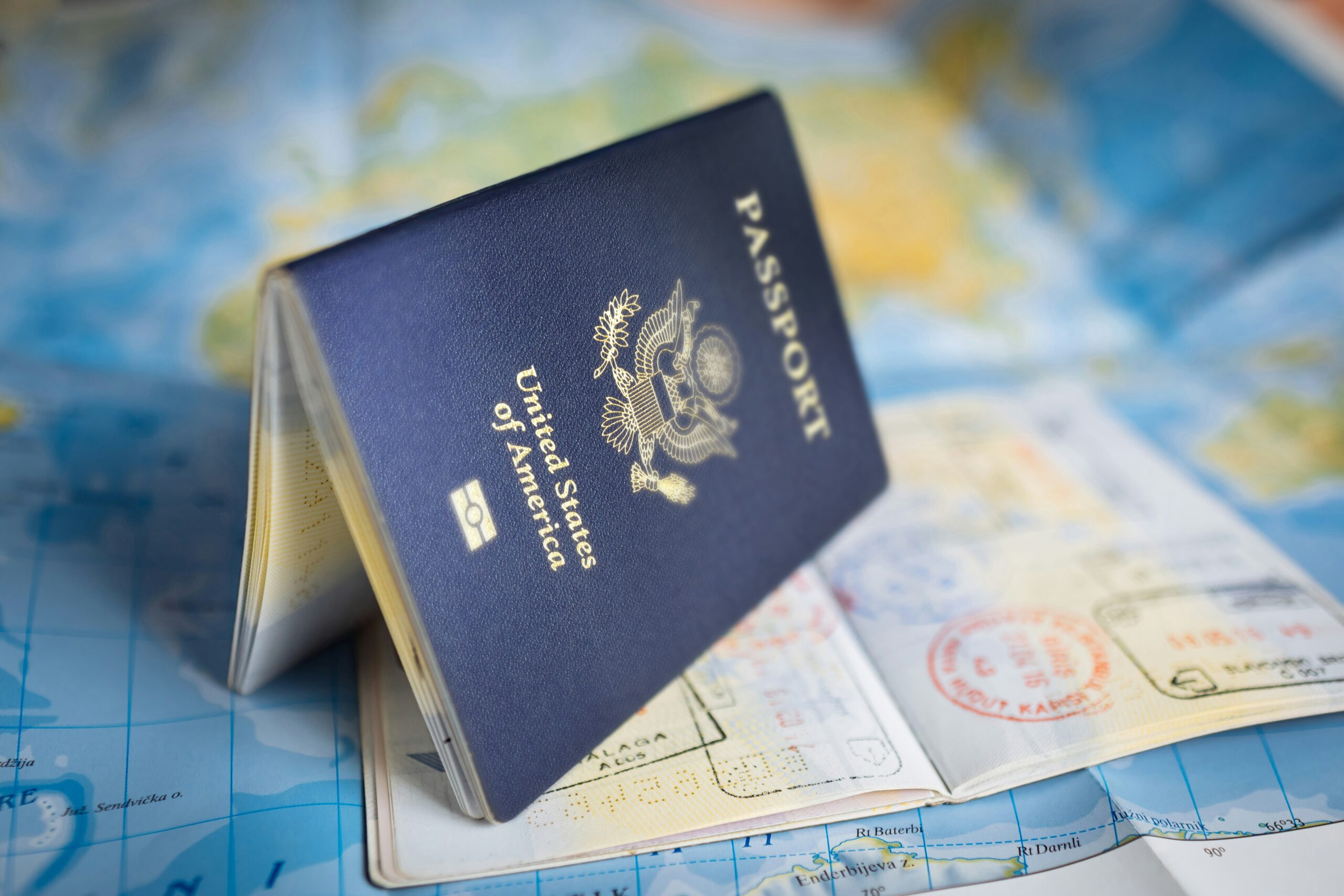
For an average Nigerian, this amount is not small. When converted to naira, it already runs into hundreds of thousands. That is before transport, paperwork, embassy visits, and possible hotel stays.
Why Nigeria is feeling it more
Nigeria did not just fall into this situation by chance. The U.S. has repeatedly raised concerns about visa overstays. Instead of fixing this through cooperation, education, or policy balance, the response has now shifted to tougher rules and higher fees.
This means ordinary people, students, workers, and families are paying the price for problems created by a few. The punishment does not separate intentions. Everyone pays the same amount.
More than money, it is pressure
Beyond the cost, applicants are now asked to open up large parts of their private lives. Years of social media activity, long email histories, and even phone records can be requested. There is also real-time biometric verification using mobile phones.
This level of scrutiny makes the process stressful. For many Nigerians, it feels less like a visa application and more like an interrogation before travel is even approved.
Who suffers the most
Students hoping to study abroad, small business owners attending meetings, families visiting relatives, and young people chasing opportunity are the most affected. These are not criminals or threats. They are everyday people trying to move legally.
When fees rise this high, travel becomes a privilege, not a right. It quietly shuts out those without strong financial backing.
The wider meaning
This decision reflects a global trend where powerful countries tighten borders while talking about partnership. From a far distance, the policy is about security. In real life, it sends a signal that some passports must work harder and pay more to be trusted.
For Nigeria, this deepens an already uneven relationship. It also risks pushing frustration, resentment, and a feeling of exclusion among young people who already feel boxed in.
Is this really the solution?
If the goal is to reduce overstays, higher fees alone will not fix that. People overstay because of economic pressure, not because visas are cheap. Making the process more expensive may even encourage desperate choices rather than stop them.
Real solutions come from cooperation, fair monitoring, and shared responsibility—not pricing people out of legal travel.
Final thoughts
At the end of it all, the new U.S. visa cost placed on Nigerians tells who is welcome easily and who must struggle first. And until fairness replaces fear in global travel rules, moves like this will continue to hurt ordinary people more than they solve any real problem.