Ugandans head to the polls in an election with one almost certain outcome: the extension of Yoweri Museveni’s 40-year rule. Yet beneath the predictable result lies a nation at a profound crossroads, where questions of violent repression, generational frustration, and a looming succession battle threaten to reshape the country’s future.
The Unlevel Playing Field
President Yoweri Museveni, 81, seeks a seventh term, campaigning on a slogan of “protecting the gains”—a reference to the relative stability and economic progress since he took power by rebellion in 1986. His main challenger, 43-year-old pop-star-turned-politician Bobi Wine, frames the election as a “final chance” to end what he calls “40 years of dictatorship.”
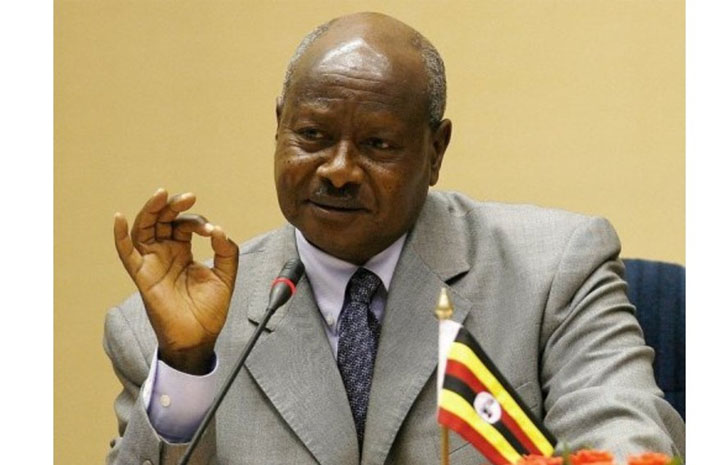
The contest is dramatically uneven. As one Kampala-based analyst notes, “This isn’t an election; it’s a coronation with obstacles.” Security forces have systematically disrupted opposition campaigns with tear gas, beatings, and mass arrests. In recent weeks, hundreds of opposition supporters have been detained, and at least one was killed at a campaign event.
“The police don’t see themselves as a public service but as an extension of the ruling party,” explains Dr. Frederick Golooba, a political scientist at Makerere University. “Their strategy is simple: make it impossible for the opposition to campaign while allowing NRM events to proceed unhindered.”
A Nation of Young Voices, Aging Leadership
Uganda has one of the world’s youngest populations, with 78% under 30. Most have known only one president their entire lives. For this demographic, Museveni represents not liberation from past chaos but an obstacle to their future.
Bobi Wine has tapped into this demographic reality with remarkable success despite the crackdown. His message of ending corruption, creating jobs, and restoring political freedoms resonates powerfully in urban areas and university towns.
The Shadow of Succession
Perhaps the most significant subtext of this election concerns what happens when Museveni eventually leaves power. There is widespread speculation he is grooming his son, General Muhoozi Kainerugaba, as his successor—a possibility Museveni publicly denies, but that colors internal NRM politics.
“Museveni’s margin of victory matters more than the victory itself,” observes political analyst Emma Mutaizibwa. “If he slips below his 2021 score of 58%—his lowest ever—it will weaken his authority and intensify succession jockeying within the NRM.”
The succession question creates peculiar tensions. Some regime insiders fear Kainerugaba lacks his father’s political savvy, while others position themselves for a post-Museveni era. This internal uncertainty may explain the regime’s particularly harsh crackdown—an effort to demonstrate control amid underlying fragility.
International Calculations
Uganda occupies a strategic position that has long afforded Museveni some international protection. Some of these protection include:
Security Partnerships: Uganda contributes thousands of troops to the African Union mission in Somalia, fighting al-Shabaab militants.
Refugee Host: The country hosts Africa’s largest refugee population, earning international goodwill.
Strategic Pivot: Recent years have seen expanded ties with China, Russia, and the UAE, providing alternatives to Western pressure.
These factors have tempered international criticism, though not eliminated it. The United States called the 2021 elections “neither free nor fair” and imposed visa bans on some officials. This year, Washington has been notably quieter after diplomats were instructed not to comment on foreign election integrity.
What Observers Will Monitor
While the winner may be predetermined, several indicators will reveal the election’s true significance:
1. Turnout in Opposition Strongholds: Will repression depress voting in areas like Kampala and the Buganda region?
2. Military and Police Conduct: Will security forces allow voting to proceed relatively peacefully, or will Election Day see widespread violence?
3. Museveni’s Percentage: Any further decline from his 58% in 2021 would suggest weakening legitimacy.
4. Post-Election Protests: Will Bobi Wine’s supporters take to the streets despite the ban on “unlawful processions”?
5. Regional Variations: How will voting patterns differ between urban centers and rural areas where the NRM’s patronage network is strongest?
A System Under Strain
As voting begins, Uganda presents a paradox: a system that appears unshakably strong yet shows multiple fractures. The combination of generational discontent, economic pressures, and succession anxieties creates underlying volatility that may not surface immediately but will shape Uganda’s coming years.
“The tragedy of this election is that it solves nothing,” concludes Dr. Golooba. “The opposition cannot win under current rules, but the regime cannot indefinitely suppress a youthful population demanding change. This tension ensures Uganda’s political crisis will continue long after the votes are counted.”
Whether this truly represents Uganda’s “final chance” for peaceful change or merely another step in democratic erosion may depend less on Thursday’s results than on what follows them.