
A human rights group has shattered the official silence over Iran’s latest unrest, revealing a catastrophic death toll of more than 500 people—a figure that exposes the brutal scale of a crackdown the regime has tried to obscure.
The report from U.S.-based monitor HRANA, citing sources inside and outside the country, details a devastating human cost: at least 490 protesters and 48 security personnel killed, with over 10,600 arrested. This grim accounting, impossible for international media to independently verify amid a nationwide internet blackout, transforms the narrative from one of protests to one of potential massacre.
The Cover-Up and the Count
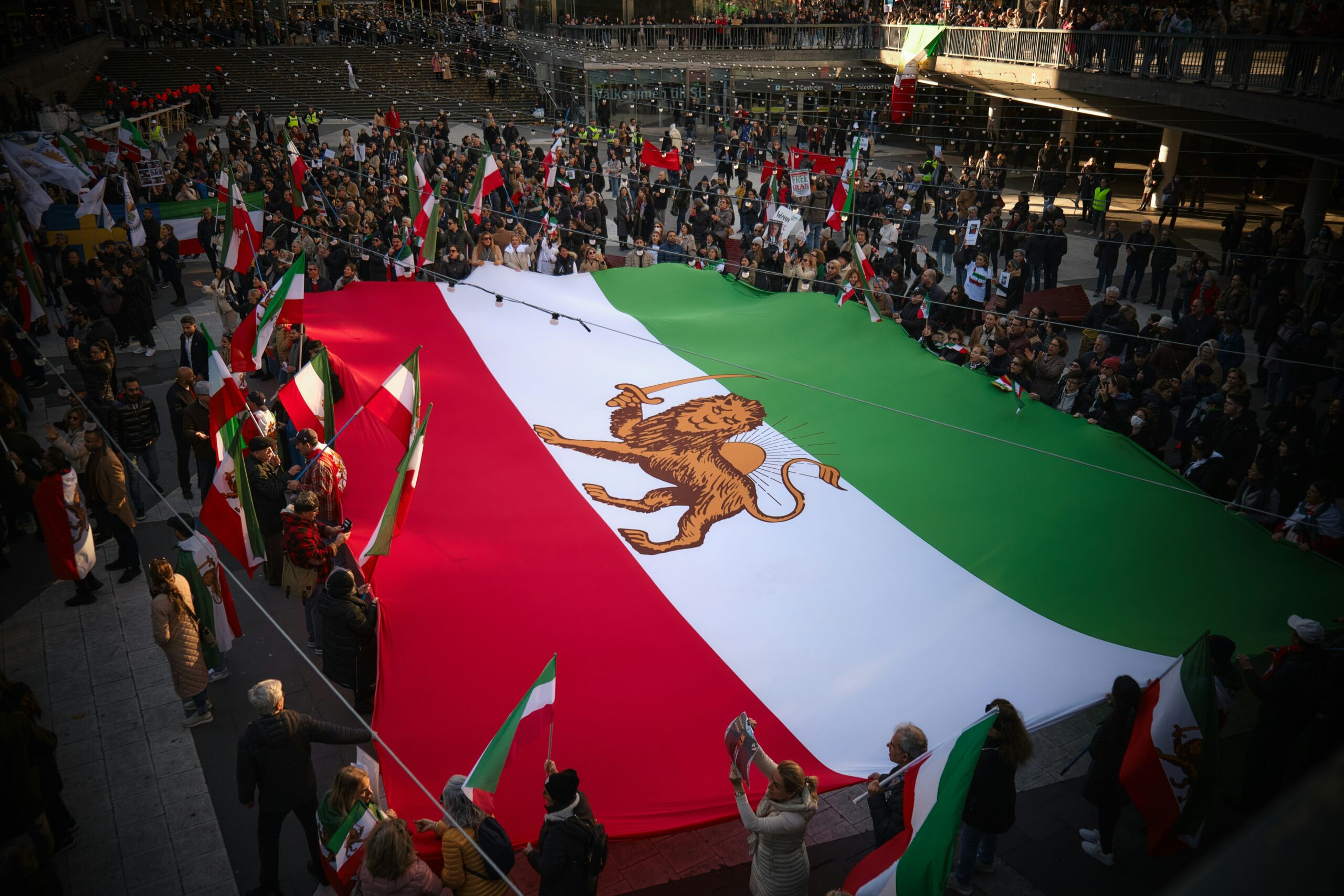
For days, information from Iran has been choked by a government-imposed internet shutdown, creating an information vacuum filled by state media blaming “armed terrorists” and “rioters.” Against this backdrop, HRANA’s verified toll acts as a direct counter-narrative. Social media footage, geolocated by Reuters, shows the chaos the regime seeks to hide: endless night marches in Tehran, billowing smoke in Mashhad, and the haunting scene of dozens of body bags laid out at the Tehran coroner’s office.
“The rights to freedom of expression, association & peaceful assembly must be fully respected & protected,” said U.N. Secretary-General Antonio Guterres, expressing shock at the reported violence. Meanwhile, the regime declared three days of national mourning not for its own citizens, but for “martyrs killed in resistance against the United States and the Zionist regime.”
The staggering death toll has instantly escalated the crisis into a potential international conflict. President Donald Trump, who said he was “shocked” by the violence, has repeatedly threatened U.S. intervention, stating his military is looking at “some very strong options,” including potential cyber and strike capabilities. In response, senior Iranian officials issued a stark warning to Washington.
“Let us be clear: in the case of an attack on Iran, the occupied territories (Israel) as well as all U.S. bases and ships will be our legitimate target,” threatened Parliament Speaker Mohammad Baqer Qalibaf, a former Revolutionary Guards commander. The threat underscores how an internal crackdown is rapidly morphing into a global standoff, with Israel reportedly on high alert for any American action.
The Regime’s Frail Defense
The protests, which began over economic misery, have swelled into the most significant challenge to the clerical establishment since 2022. The regime, still weakened from a war with Israel last year, has responded by attempting to frame the unrest as a foreign plot. President Masoud Pezeshkian accused the U.S. and Israel of masterminding the chaos, bringing in “terrorists” who “set mosques on fire.”
“Families, I ask you: do not allow your young children to join rioters and terrorists who behead people and kill others,” he pleaded in a televised address, even as his security forces were linked to the soaring death count. Experts doubt the protests will cause the regime’s immediate collapse but note the profound damage. “I think it’s more likely that it puts these protests down eventually, but emerges from the process far weaker,” said former U.S. diplomat Alan Eyre.
Why It Matters
HRANA’s report does more than list numbers; it provides the horrific metric that defines this chapter of Iran’s history. As the world processes a death toll soaring past 500, the story is no longer just about demonstrations. It is about the catastrophic price of suppression and the violent lengths a regime will go to silence its people, a reality now laid bare for the world to see.