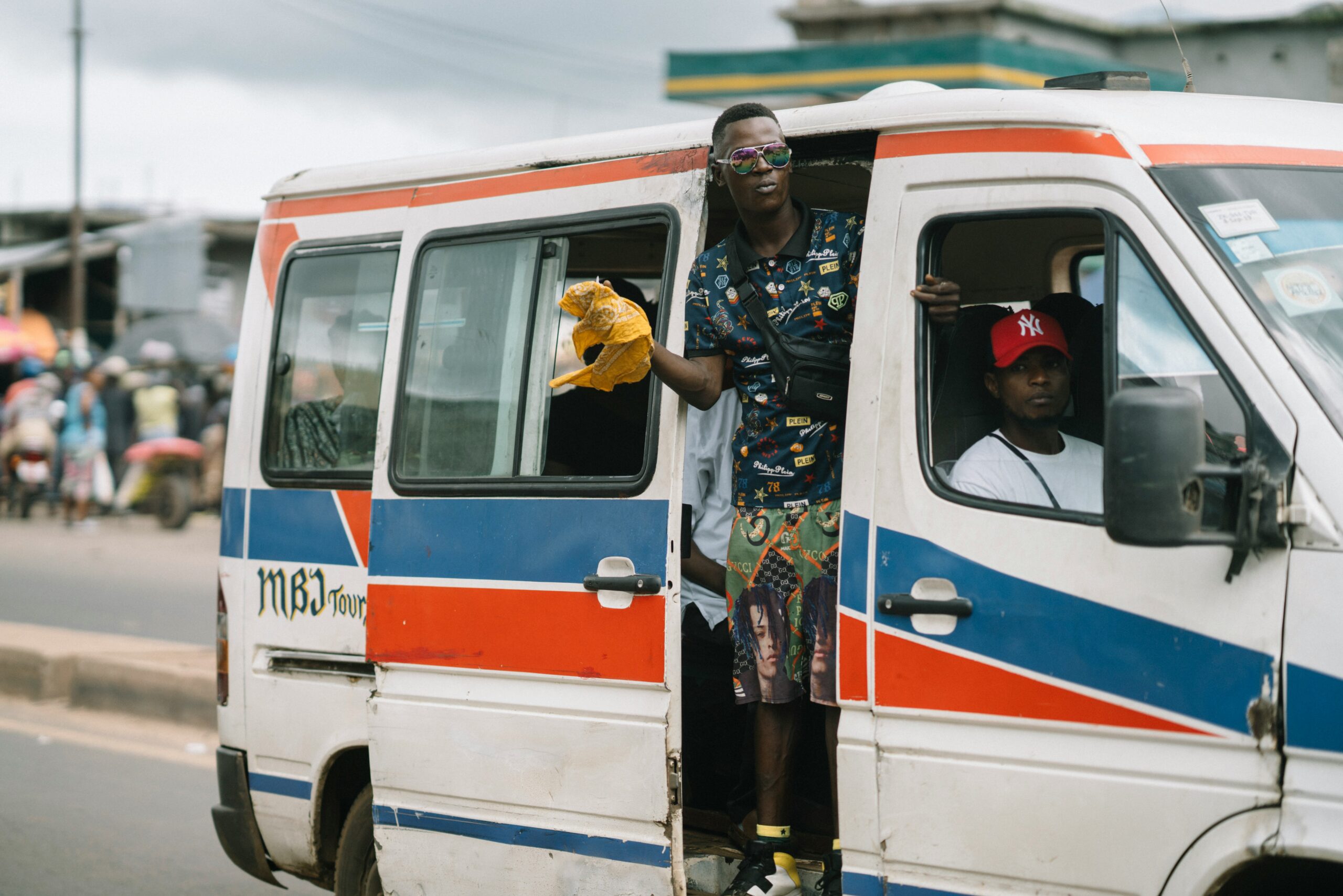

The government of Niger has taken drastic, punitive action against dozens of transport operators and drivers, summarily revoking their licenses for refusing to obey a state order to deliver fuel into a jihadist-blockaded region of neighboring Mali—a route so dangerous it is considered by many to be a suicide mission.
In a stark move that frames refusal as treason against national obligations, Niger’s Transport Ministry has cancelled the licenses of 14 transport firms and 19 individual drivers. An additional operator received a one-year suspension, with all sanctioned parties ordered to surrender their official documents. The drastic measure, announced in a statement from Minister Abdourahamane Amadou, condemns the refusal as a “serious violation” of legal duties, prioritizing state contracts over the palpable fear of militant attacks.
The order the drivers defied is not a routine delivery. It commands them to run a 1,400-kilometer (870-mile) gauntlet from Niger into Mali’s northern desert, a region teeming with militant groups. The al-Qaeda affiliate Jama’at Nusrat al-Islam wal-Muslimin (JNIM) has imposed a strict fuel blockade, systematically attacking convoys. Their tactics include kidnapping drivers and torching tankers, turning the highway into a zone of economic warfare and personal peril.
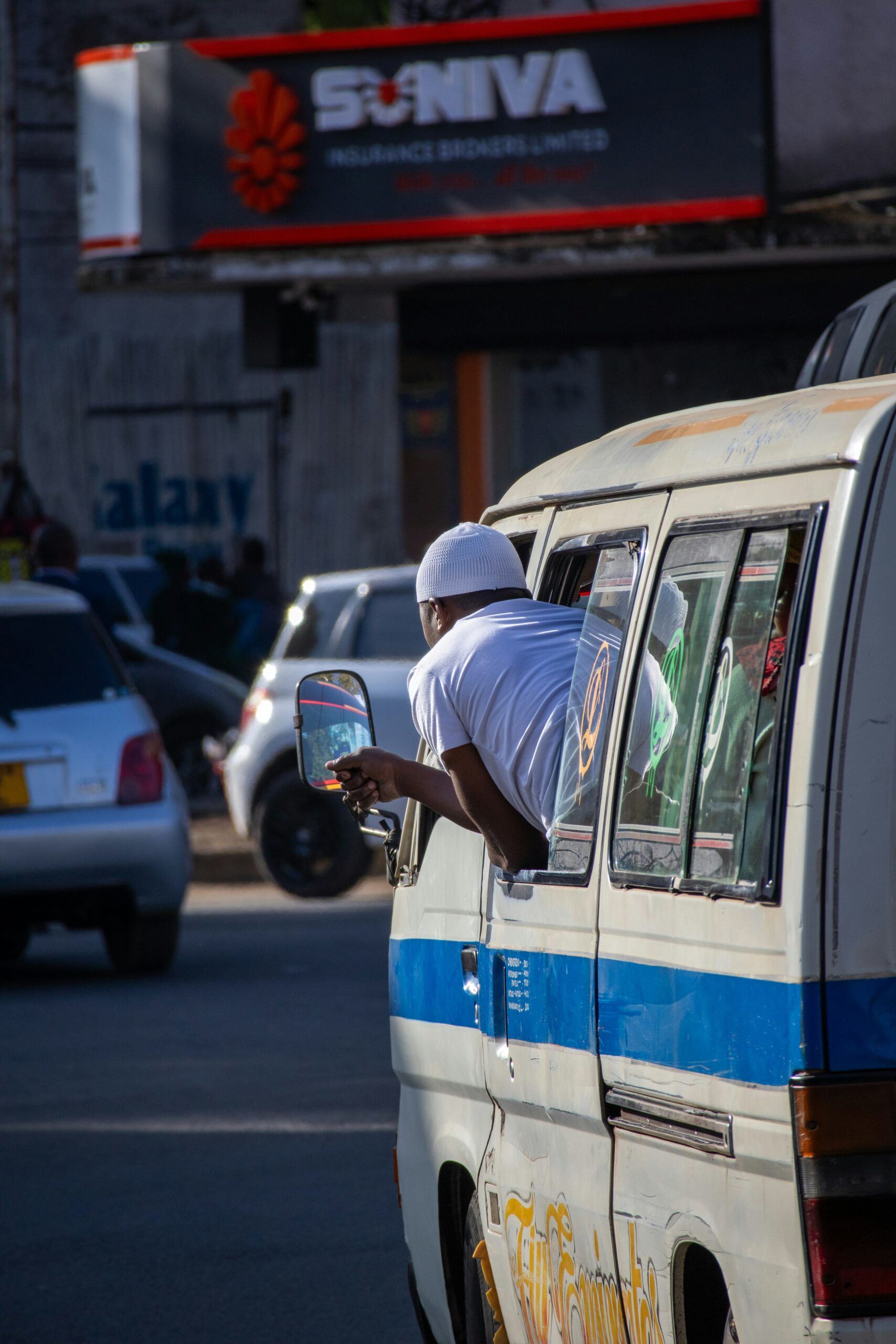
Even military escorts have failed to guarantee safety, with previous convoys coming under fire. This reality forged a collective defiance among drivers, disrupting a critical July deal for Niger to supply Mali with 85 million liters of fuel and throwing the landlocked nation into deeper crisis, where schools and universities have already been shuttered due to severe shortages.
The State’s Hard Line Stance
Faced with this mutiny by its own transporters, the Nigerien state chose punishment over negotiation. The license revocations send an unambiguous message: contractual obligations to a military ally outweigh individual survival instincts. This harsh crackdown highlights the precarious position of the driver, caught between the jihadist’s gun and the government’s decree.
The action underscores the deepening alliance between the military juntas of Niger and Mali, who are both battling jihadist insurgencies. As Mali’s junta has expelled UN peacekeepers and French forces, hiring Russian mercenaries to fight a losing battle for territorial control, its dependence on fuel from Niger has become a strategic lifeline—one that Niger is now enforcing with an iron fist.
Why It Matters
The ministry’s edict forces an impossible choice upon the transport sector: forfeit your license and livelihood, or risk your life on a highway controlled by kidnappers and arsonists. It is a definitive, drastic action that exposes the brutal calculus of a regional conflict, where drivers are treated as expendable assets in a wider war, and refusal to be a pawn is branded an act of cowardice punishable by economic death.