The European Union has officially signed a trade deal with the South American bloc Mercosur, ending more than 25 years of negotiations. While officials hailed the agreement as a historic step toward boosting trade and economic growth, farmers and environmental groups across Europe are protesting, warning that cheap imports could threaten local production and lead to more deforestation.
EU and Mercosur Celebrate a Historic Trade Deal
The signing ceremony took place in Asuncion, Paraguay, with top EU and Mercosur leaders present. European Commission President Ursula von der Leyen and European Council President Antonio Costa were joined by the presidents of Mercosur countries, though Brazil’s President Luiz Inacio Lula da Silva sent his foreign minister instead.
The agreement aims to reduce tariffs and increase trade between Europe and South America, creating what leaders called the largest free trade zone in the world. Von der Leyen emphasized the symbolic importance of the deal, saying it reflects a choice for fair trade and long-term cooperation over isolation.
Mercosur leaders, while welcoming the pact, expressed caution about some regulations within the agreement. Lula said the deal would unlock opportunities, stimulate trade, and strengthen investment flows between the two regions.
Farmers Worry About Cheap South American Imports
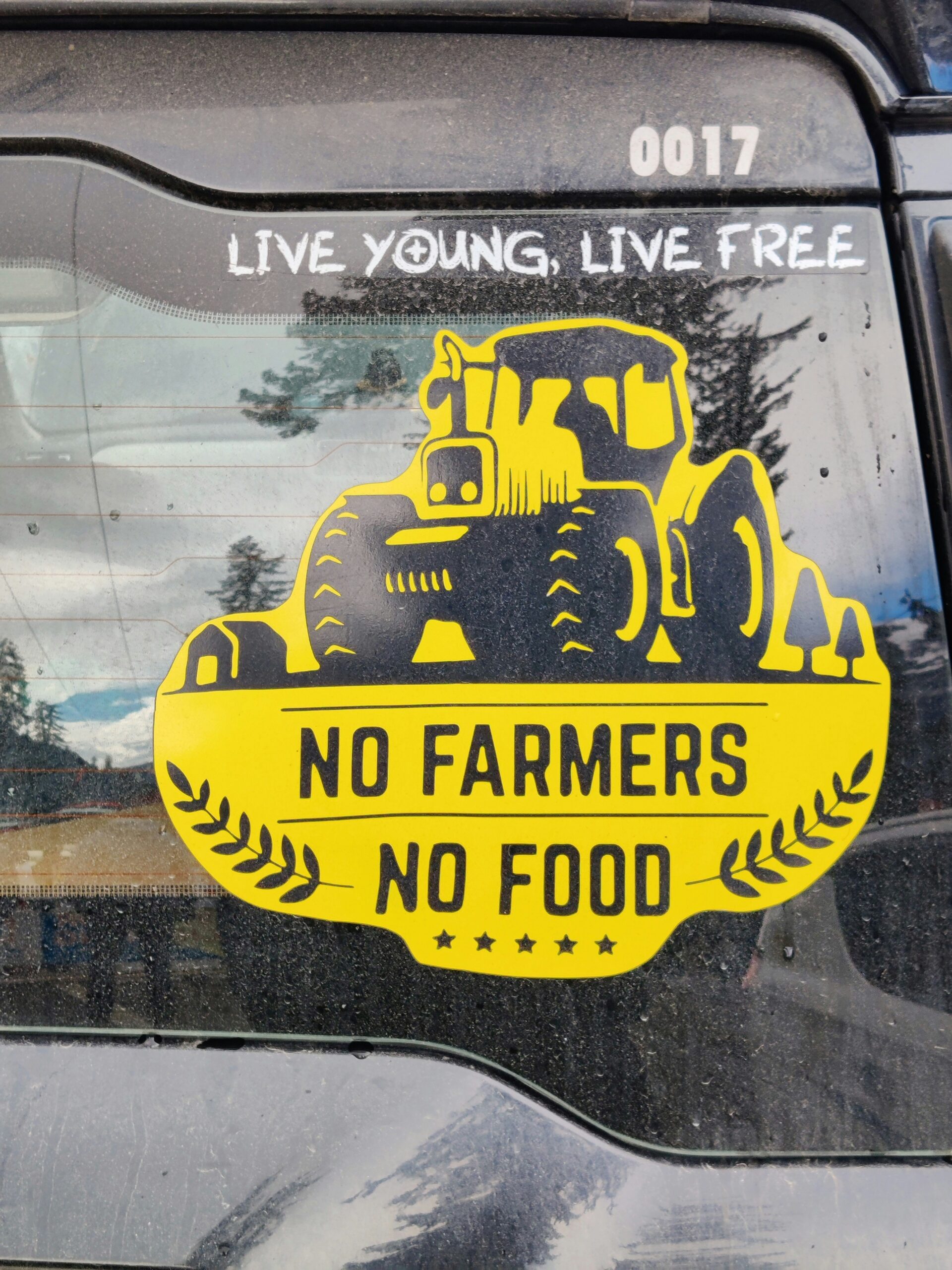
Despite the fanfare in Paraguay, European farmers voiced strong opposition to the deal. They fear a flood of inexpensive agricultural goods such as beef, soy, and poultry from Mercosur countries could undercut local prices and hurt small producers.
Environmentalists also raised concerns, warning that increased exports from South America could accelerate deforestation in Brazil and surrounding nations. Many argue that the pact prioritizes economic growth over environmental protection and sustainability.
The protests in Europe reflect a broader unease over globalization, trade liberalization, and the balance between economic benefit and protecting domestic industries. Some farmers staged demonstrations outside government offices and in major cities to highlight the risk of being priced out by cheaper foreign goods.
Economic Stakes Are High
Trade between the EU and Mercosur reached 111 billion euros in 2024, with Europe mainly exporting machinery, chemicals, and transport equipment, while Mercosur exports focused on agricultural goods, minerals, wood pulp, and paper. Analysts say the agreement could significantly increase these flows, benefiting large corporations but placing pressure on smaller farmers.
Costa described the deal as a milestone for economic security in a turbulent political environment, signaling that Europe and South America are willing to prioritize trade partnerships over protectionist measures.
A Controversial Path Forward
The deal still requires approval by the European Parliament and ratification by the legislatures of Mercosur members Argentina, Brazil, Paraguay, and Uruguay. Lawmakers will have to weigh the potential economic gains against the social and environmental concerns raised by constituents.
In the meantime, European farmers continue to voice their opposition, warning that cheap imports could reshape rural economies and widen the gap between large agribusiness and smallholders. Some suggest that the protests may influence lawmakers to negotiate safeguards, but there is no guarantee such measures will fully protect domestic producers.
Trade and Politics Collide
The signing of the EU-Mercosur trade pact highlights how international trade deals often spark domestic controversy. While governments focus on growth and market expansion, ordinary producers bear much of the risk. In this case, the tension between free trade and local interests is playing out publicly, and the outcome could define Europe’s agricultural sector for years.
Europe now faces a choice: embrace a new era of global trade with Mercosur or implement protective measures to shield local farmers. Either way, the protests signal that the deal will not be accepted quietly, and its long-term impact will likely shape political debates across the continent.