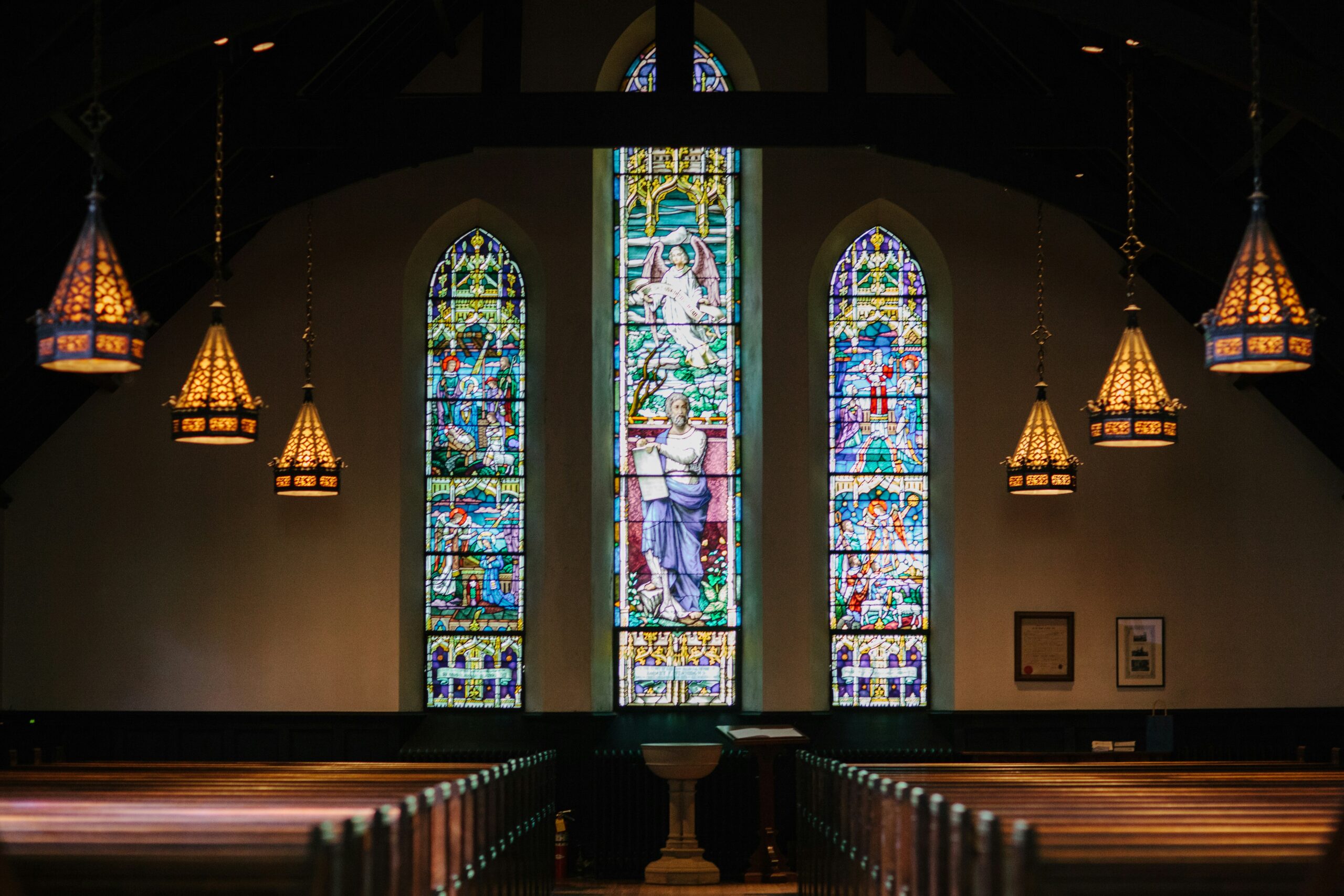

A fresh year has begun, but for Nigeria’s embattled Christian communities, the terror remains agonizingly familiar. Less than two weeks into 2026, armed gangs have carried out the year’s first major mass abduction, kidnapping an estimated 172 worshippers from Sunday services in northern Kaduna state—a ruthless sign that the relentless kidnapping crisis of 2025 has not only continued but escalated with the new calendar.
The attack on at least two churches in the remote forest community of Kurmin Wali follows an almost identical script from the previous year: gunmen with “sophisticated weapons” block church exits during worship and force congregants into the bush. Reverend Joseph Hayab, head of the Christian Association of Nigeria for the north, relayed the grim tally from local elders. The incident is a carbon copy of the November 2025 abduction of over 300 students and teachers from a Catholic school, which briefly captured global headlines before the victims’ staggered release faded from view.
The Endless Cycle: Why the Crisis ‘Refuses to End’
The persistence of these kidnappings points not to a lack of attention, but to deep, systemic failures that render each crackdown temporary and each promise hollow. Experts cite a toxic combination of rampant corruption, abysmal intelligence-sharing between security agencies, and grossly underfunded local police who are outgunned by criminal gangs now operating like organized militias. These “bandits” have turned kidnapping into a low-risk, high-reward industry, exploiting vast ungoverned forests and the desperation of families willing to pay ransoms.
The political response has been one of revolving-door resignations and empty reassurances. The defence minister resigned at the height of last year’s crisis, officially for “health reasons,” a move seen by many as an abdication of responsibility. While the government insists it protects “all citizens… without discrimination,” its actions have failed to break the cycle, leaving communities to feel like sacrificial pawns in a wider conflict over land, religion, and resources.
The New Factor: A Warning of American ‘Christmas Strikes’
A new, volatile element entered the equation in late 2025, one that may now shape the 2026 conflict. On Christmas Day, the United States launched airstrikes on two camps run by Islamist militants in north-western Nigeria. The move was followed by a stark warning from President Donald Trump, who vowed more strikes “if Christians continued to be killed.”
This unprecedented foreign military intervention, justified as protecting a religious minority, has created a dangerous geopolitical tinderbox. While a Nigerian foreign ministry spokesman pledged “constructive engagement,” the U.S. action risks further inflaming local tensions and complicating Nigeria’s already fragmented security landscape, where Islamist insurgencies, separatist violence, and farmer-herder clashes already rage.
Why It Matters
The Kurmin Wali kidnapping confirms that the business model of terror perfected in 2025 remains fully operational in 2026. The gangs are not deterred in the least bit, and the security forces are not solving the problem; instead, they are perpetually reacting to it. And the international community is no longer just watching but intervening with unpredictable consequences.
As families plead for the release of the 172 new hostages, the painful truth is that their nightmare is part of a continuous loop. Until the root causes—corruption, poor governance, and economic despair—are addressed with more than speeches and temporary military surges, the calendar may change, but the terror will not.