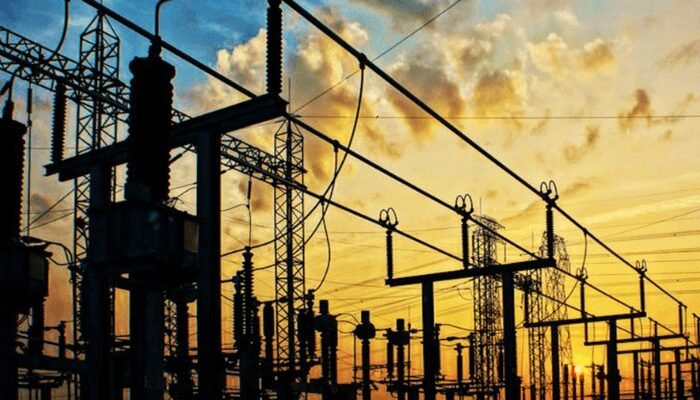

Nigeria has started 2026 the same way it ended 2025, in darkness. On Friday, the national power grid collapsed once again, barely weeks after a similar failure on December 29. For many Nigerians, this has stopped being shocking news. It now feels routine, expected, and deeply frustrating.
Power generation fell from over 4,500 megawatts to a shocking 24 megawatts by early afternoon. All 23 power generation plants connected to the grid reportedly lost output at the same time. As a result, none of the 11 electricity distribution companies received any power. The country simply went off.
A Collapse That Feels Normal Now
The phrase “national grid collapses” has become too familiar. Each time it happens, officials promise investigations, fixes, and reforms. Yet the grid keeps collapsing again and again.
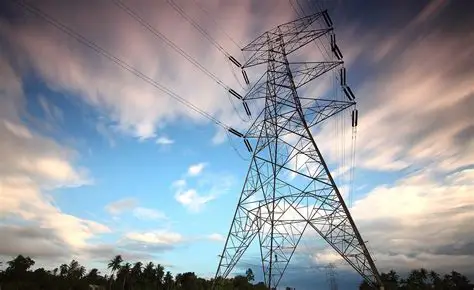
This latest incident exposes a system that is clearly weak and overstretched. A national grid should not fail this often, especially not without clear explanations. When one fault can bring down the entire system, it shows there is little protection, poor backup planning, and weak coordination across the power sector.
What Keeps Going Wrong
Experts often point to the same issues: technical faults, poor maintenance of transmission lines, and unstable power generation. These problems are not new. They have been mentioned for years.
The bigger issue is that they remain unresolved. Transmission lines are old and poorly maintained. Power plants struggle with gas supply, funding, and equipment. When generation fluctuates, the grid cannot handle the pressure. Instead of adjusting, it collapses.
This is not just bad luck. It is a sign of long-term neglect.
Silence From Those in Charge
As of the time this incident occurred, the Transmission Company of Nigeria had not released a detailed explanation. This silence is part of the problem. Nigerians are often left guessing what went wrong and when power will return.
Nigerians Pay the Price
Every grid collapse hits homes, hospitals, small businesses, and factories. Tailors shut down. Cold rooms lose stock. Hospitals turn fully to generators. Fuel costs rise.
For many people, electricity is no longer a public service; it is a daily struggle. Those who can afford generators survive. Those who cannot are left behind. A country cannot grow like this.
Gradual Restoration, Same Old Story
Electricity distribution companies, including Abuja Electric, later informed customers that gradual restoration of supply had begun. This line has become another familiar phrase Nigerians hear after every collapse.
But gradual restoration is not a solution. It is damage control. Until the grid is properly upgraded, decentralised, and protected from total collapse, this cycle will continue.
The truth is: Nigeria’s power problem is no longer about potential or promises. It is about failure to act. The grid needs serious investment, better management, and honest accountability.