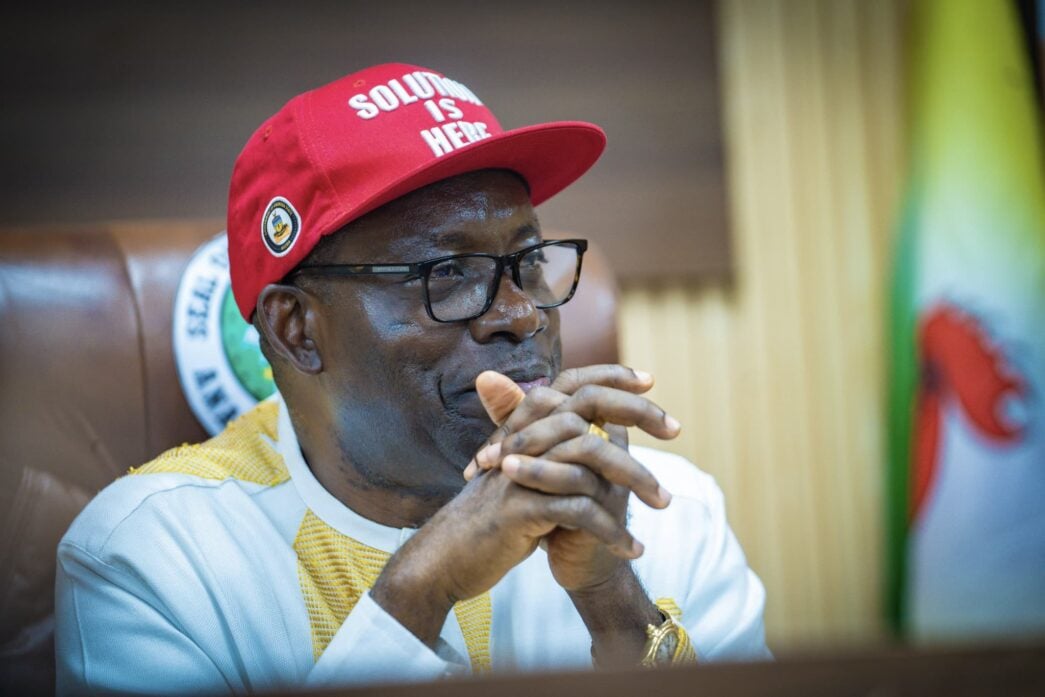

The economic heart of Nigeria’s Southeast is now the battleground in a high-stakes power struggle. On one side, Anambra State Governor Chukwuma Soludo is threatening to demolish and rebuild West Africa’s largest market. On the other hand, the Indigenous People of Biafra (IPOB) has called for a Biafra-wide solidarity lockdown. At stake is who controls the region’s commerce and daily life.
Soludo’s Ultimatum: Open or We Demolish
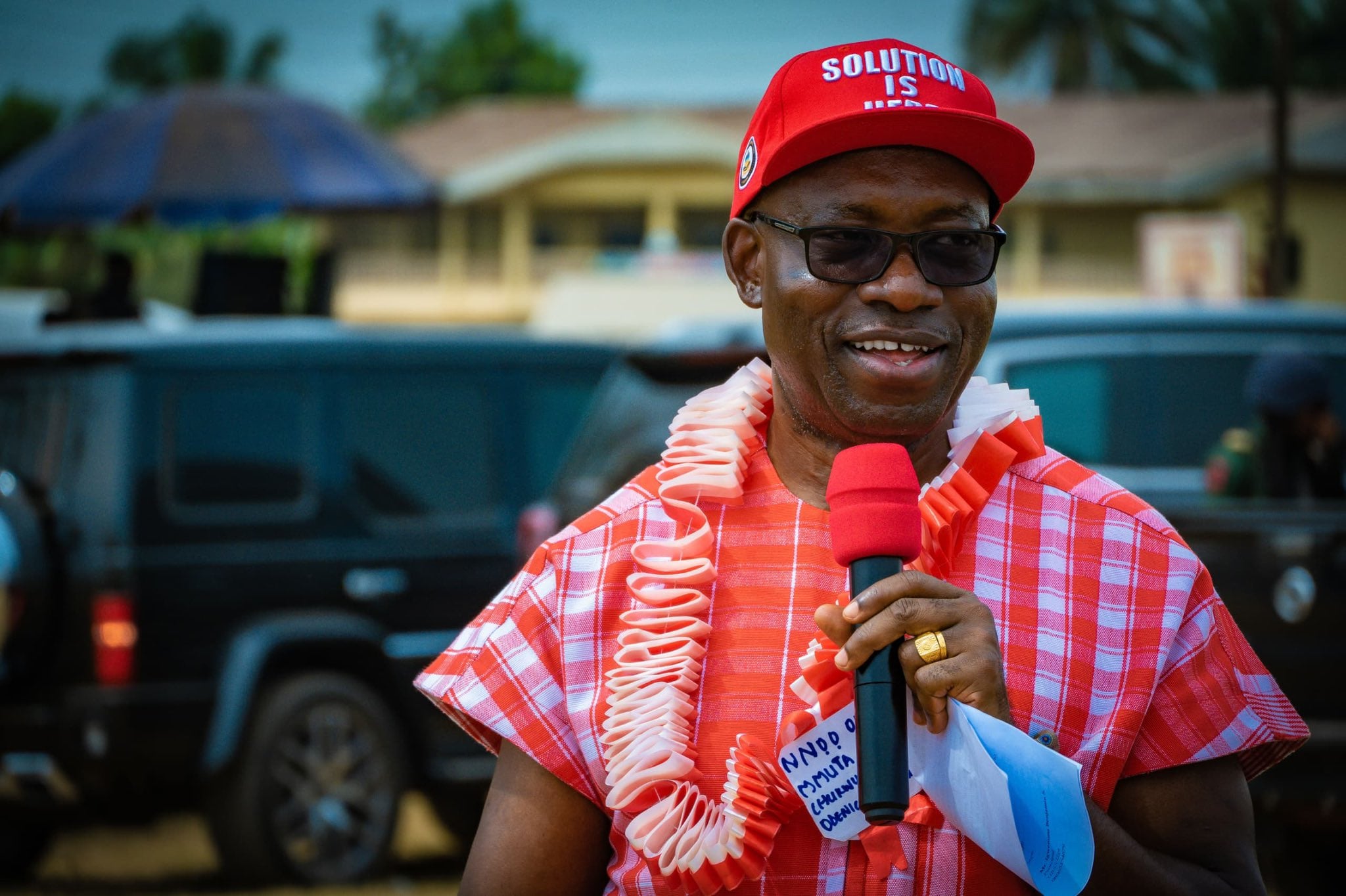
The confrontation began when Governor Soludo, infuriated that traders were obeying the IPOB-enforced Monday sit-at-home, shut down the Onitsha Main Market for one week. In a closed-door meeting with market leaders, he presented a stark choice.
News sources reveal the governor’s terms: traders could either resume Monday trading and allow him to “demolish all illegal structures” to remodel the market, or they could continue the sit-at-home and see the entire market demolished for a two-year reconstruction. The traders, faced with economic ruin, chose the first option—agreeing to open and let the governor clear out the market’s sprawling informal sector.
IPOB’s Declaration of “Solidarity Lockdown”
In response, IPOB issued a declaration of war against the governor’s authority. The secessionist group announced a “Biafra-wide solidarity lockdown” for Monday, February 2, 2026, calling on “all Biafrans” across five Southeast states to shut down commerce, schools, and transport in support of the Onitsha traders.
In a statement, IPOB accused Soludo of being an “Abuja sponsor” trying to provoke a confrontation and twist a “peaceful protest” for the release of leader Nnamdi Kanu into “economic sabotage.” The group claimed that markets thrived on Mondays during Christmas, “proving that voluntary compliance stems from genuine solidarity, not fear.”
A Test of Wills with the Economy as Hostage
The standoff represents a fundamental clash. Soludo is using state power—the threat of demolition and a government takeover of market operations—to break the sit-at-home and reassert civil authority. He has promised to set up a committee to “recertify all occupants of shops,” effectively giving the state final say over who can trade.
IPOB is leveraging its grassroots influence and the potent symbol of Kanu’s detention to enforce its will, framing the governor’s actions as a tyrannical punishment of “free citizens.” With traders caught in the middle, forced to choose between the governor’s bulldozers and the militants’ enforcement, the coming Monday will answer the critical question: Who truly rules the streets of Onitsha?