In a move that has sent shockwaves through the global African diaspora, Ghana has abruptly suspended its landmark citizenship program for people of African descent, citing a need to fix a system that applicants call impossibly expensive, bureaucratic, and broken.
The government announced the pause to make the system “more accessible and user friendly.” However, the sudden suspension—with no clear restart date—has triggered confusion and anxiety among thousands of Black Americans, Caribbeans, and others actively planning relocation or investments built on the promise of citizenship.
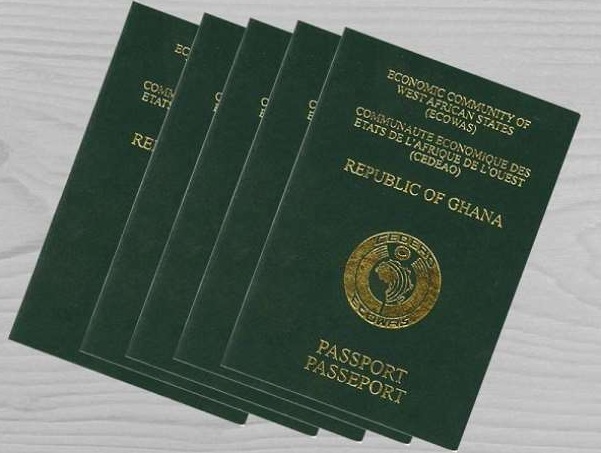
Since its formal launch in 2016, the “Right of Abode” program has been a cornerstone of Ghana’s Pan-African outreach, granting citizenship to more than 1,000 people, including high-profile figures like singer Stevie Wonder. The program is rooted in the vision of Ghana’s founding president, Kwame Nkrumah, and was revitalized with the massively popular “Year of Return” in 2019.
An “Impossible” and Costly Process
Advocates say the pause is long overdue to address crippling flaws. Dr. Erieka Bennett, head of the Diaspora African Forum, told the BBC the process was riddled with unrealistic demands. Applicants were given just one week to submit DNA evidence and all supporting documents—a deadline she called “impossible” for most. The reliability of required DNA testing has also been questioned.
The financial burden is also significant. Beyond the initial $136 application fee, shortlisted candidates face a further $2,280 payment before vetting, a mandatory orientation, and a final ceremony overseen by the president.
Investment, Belonging, and a Promise on Hold
The suspension jeopardizes a major economic and demographic pipeline. Members of the diaspora have invested heavily in Ghana’s real estate, agriculture, tech, and small business sectors, seeking citizenship to fully own property, vote, and access services. The program offered a tangible “right of return” for descendants of the transatlantic slave trade, a powerful draw for those seeking ancestral belonging.
With the government stating new guidelines will come “in due course” and countries like Benin and Sierra Leone offering similar citizenship paths, Ghana’s pause raises a fundamental question: will it fix its broken gateway for the diaspora, or has the dream of a seamless homecoming been put on indefinite hold?