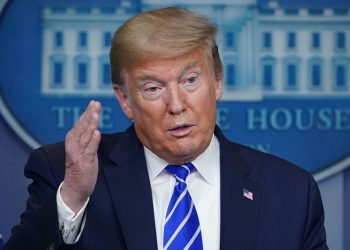
Japanese politics just got a lot more interesting, and it’s hard not to notice the influence coming from across the Pacific. U.S. Treasury Secretary Scott Bessent praised Prime Minister Sanae Takaichi after her ruling coalition’s landslide victory, pointing to her close ties with President Donald Trump.
The Election and Its Surprising Backing
Takaichi’s win was huge, a decisive mandate that gave her coalition control like never before. On the surface, it looks like a domestic triumph, a vote for her policies and leadership. But Bessent’s words hint at a bigger story. He praised Takaichi as a “great ally” and stressed her relationship with Trump. The message is clear: America is not just watching Japan, it is quietly shaping the political landscape.
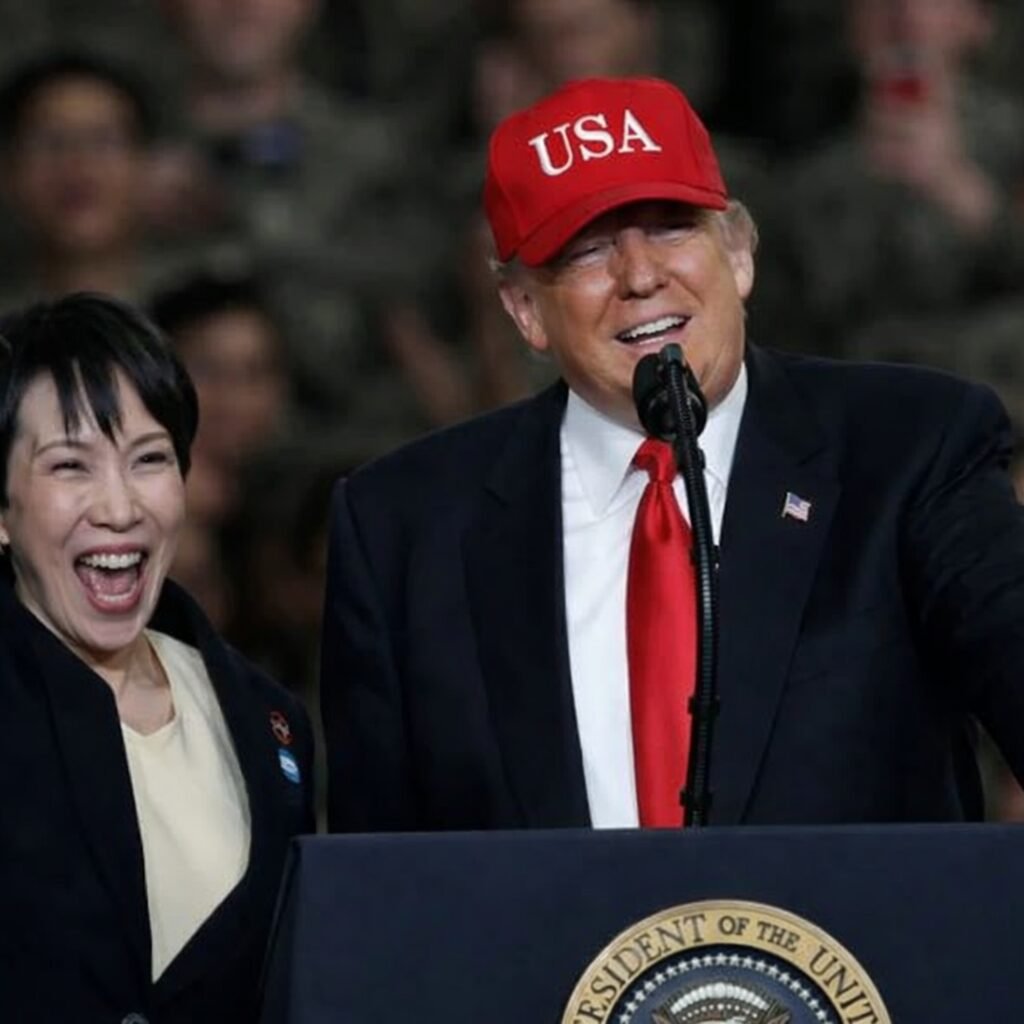
This raises the question ordinary citizens are already asking: How much of this landslide is Japan’s own choice, and how much comes from Trump’s endorsement behind the scenes? It may be a central factor in why the elections turned out this way.
Influence Beyond Borders
It is unusual for a foreign leader’s endorsement to get this much attention without criticism, but the U.S.-Japan alliance is strong and strategic. Bessent stressed that a strong Japan means a strong U.S. in Asia, a line that reflects more than friendship—it reflects geopolitics. Ordinary voters, watching the news and reading headlines, may not see the full story. Yet insiders and analysts can’t ignore it.
The landslide is a double-edged sword. For Takaichi, it’s a personal triumph and validation. For Japan, it signals a government whose policies are now being watched as part of a larger American strategy in Asia.
Public Perception vs. Hidden Influence
Many argue that such influence, even if subtle, raises questions about sovereignty and true democratic choice. Voters may have cast ballots thinking purely about local issues, unaware of the broader messaging coming from Washington. Supporters say it’s just good diplomacy, aligning strong allies to maintain stability in the region.
But the uncomfortable truth is obvious. It shows how global politics work quietly, and how endorsements from powerful figures can shift the tide in elections far from their home country. It’s a reminder that leaders’ influence often extends beyond their borders, and people rarely see the full story.
What This Means Moving Forward
Takaichi now governs with a mandate, but with Trump’s support in the background, every decision she makes will be scrutinized not just domestically but internationally. Bessent’s praise signals that U.S. eyes will watch closely, and that Japanese policies may carry weight far beyond the Pacific.