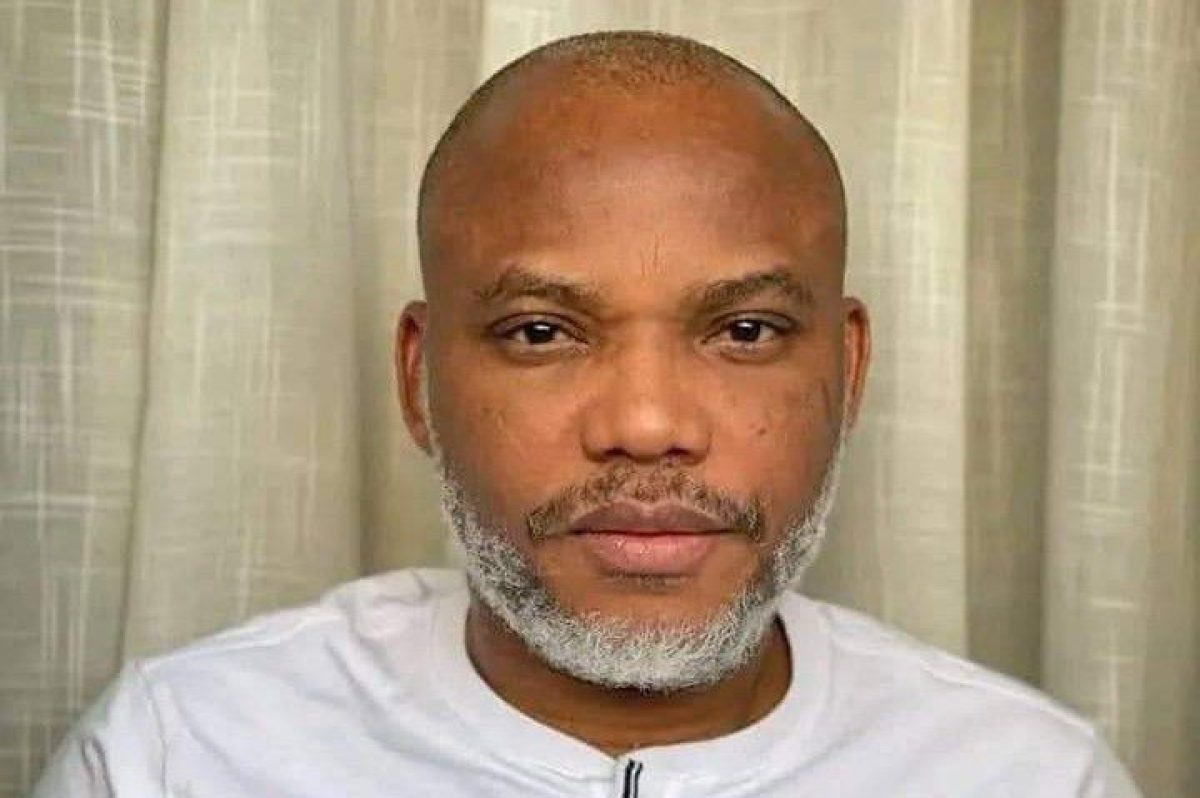

For the first time in years, the South-East is waking up to a different kind of Monday, IPOB ends Monday sit-at-home, is Nnamdi Kanu changing course? That question now hangs in the air after the Indigenous People of Biafra announced a full and permanent cancellation of the weekly shutdown that has shaped daily life in the region since 2021. This is not a small adjustment. It is a major shift that touches schools, markets, transport, and the wider economy.
The directive, according to IPOB, came directly from its leader, Nnamdi Kanu, and takes effect from Monday, February 9, 2026. For many residents, this feels like the end of a long, exhausting chapter.
The Order From the Top
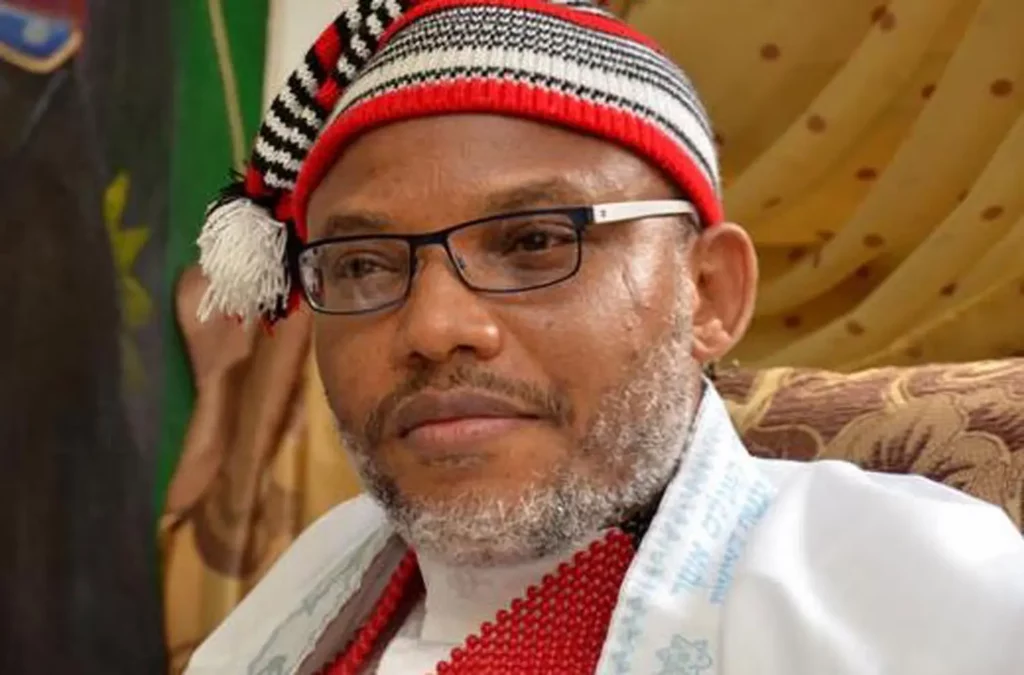
IPOB’s spokesman, Emma Powerful, said the decision to end the sit-at-home was made by Nnamdi Kanu himself. The group stressed that there is now “no need, excuse, or justification” for anyone to stay indoors on Mondays. Businesses, schools, banks, and offices are expected to operate fully.
The statement was firm and clear. Anyone trying to enforce a sit-at-home from now on, IPOB warned, would be acting against Kanu’s direct command. That line alone shows how serious the group wants this new direction to be taken.
Why the Sit-at-Home Started
The Monday sit-at-home began in August 2021. It was meant to protest the arrest, rendition, and continued detention of Nnamdi Kanu. At first, many people complied out of sympathy. Over time, fear replaced support.
Markets were shut. Children stayed home from school. Transport stopped. Mondays became a day of tension rather than work. As the years passed, the cost kept rising, both in money and in lives.
The Human and Economic Cost
Reports show that between 2021 and 2025, sit-at-home enforcement was linked to hundreds of violent incidents across the South-East. There were killings, arson, kidnappings, and attacks on civilians who dared to go about their normal lives. Imo and Anambra states recorded some of the highest losses.
Economically, the damage was massive. Repeated market closures and transport disruptions were estimated to have cost the region about ₦7.6 trillion. Traders struggled, small businesses collapsed, and families paid the price every single week.
A Warning Against Fear and False Moves
IPOB also warned about what it called “false-flag operations.” The group claimed some people may still try to spread fear or confusion to stop residents from resuming normal activities. The message to the public was simple: stay calm, obey the law, and return to work without fear.
The group went further, warning state governments not to shut down markets or threaten traders. Any renovation or reconstruction, it said, should involve proper consultation and alternative arrangements for traders to survive.
The Role of State Governments
Even before IPOB’s announcement, pressure was already building. In Anambra State, Governor Chukwuma Soludo had openly challenged the sit-at-home order. He forced the reopening of the Onitsha Main Market and warned traders that refusing to open shops on Mondays could lead to losing their business premises.
For many traders, that moment marked the first real return to Monday business since 2021. Soludo’s stance showed that state governments were no longer willing to tolerate the economic standstill.
Is This a Real Change?
Some see this move as a genuine attempt to reduce suffering in the South-East. Others believe it is a response to growing public anger, economic pressure, and tougher actions by state governments.
What is clear is that Kanu has now publicly tied his authority to this decision. IPOB made it clear that anyone enforcing the sit-at-home order is going against it directly. That alone changes the power dynamics on the ground.
What This Means Going Forward
If this directive holds, Mondays could slowly return to normal across the South-East. Children are back in school. Markets open. Workers are earning again. Trust, however, will not return overnight. Too much fear has been built up over the years.