Ghislaine Maxwell, the convicted accomplice of sex offender Jeffrey Epstein, intends to erect a “wall of silence” before Congress by invoking her Fifth Amendment right against self-incrimination during a crucial deposition on Monday, according to a bombshell letter from a senior lawmaker—a move critics say is designed to bury the full truth about the network that enabled the abuse.
In a letter to House Oversight Committee Chairman James Comer, Representative Ro Khanna revealed that Maxwell plans to refuse to answer all substantive questions from the committee. Instead, she will read only a prepared statement, a stark reversal from her prior cooperation with federal prosecutors and a decision that threatens to stonewall a key congressional inquiry into the Epstein case.
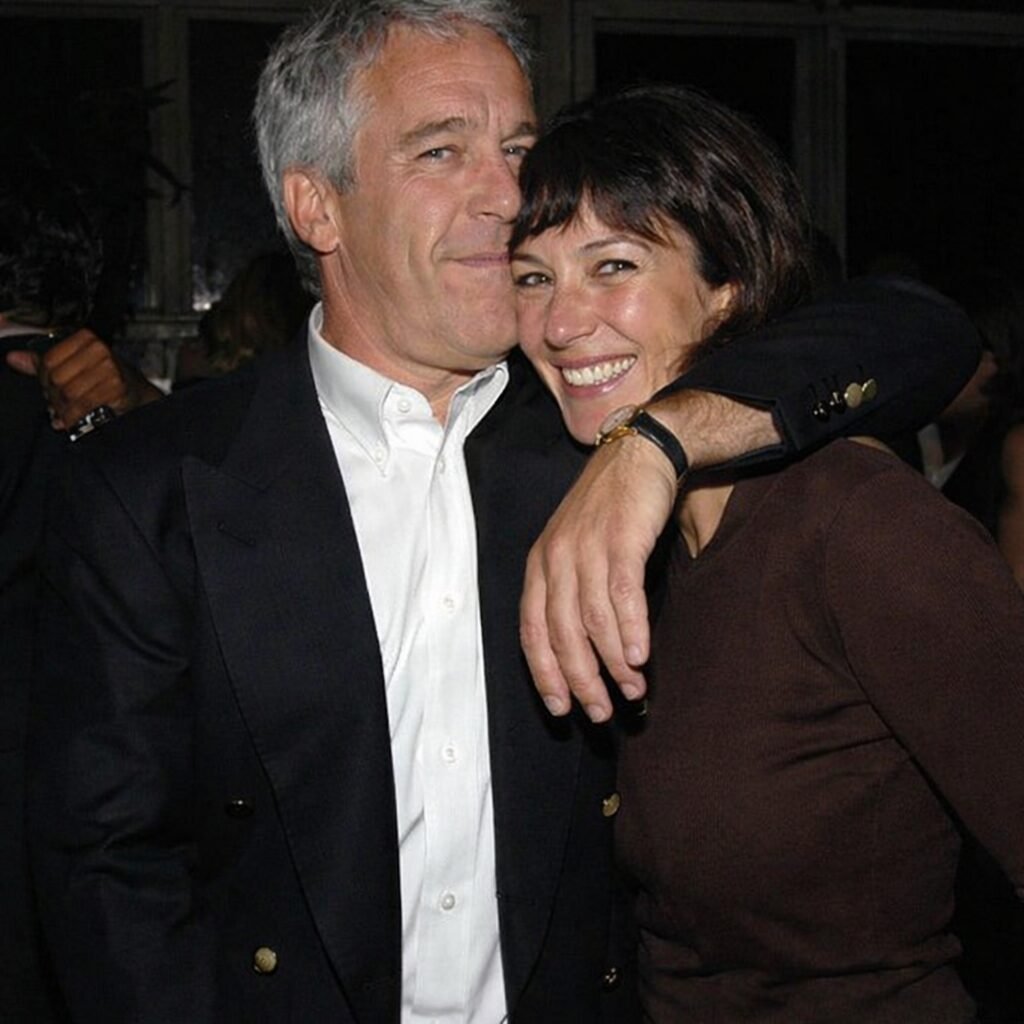
Ghislane Went from Cooperation to Confrontation
Khanna, a California Democrat serving on the committee, highlighted the glaring contradiction in Maxwell’s stance. “This position appears inconsistent with Ms. Maxwell’s prior conduct, as she did not invoke the Fifth Amendment when she previously met with Deputy Attorney General Todd Blanche,” he wrote. This selective silence suggests a strategic legal and political calculation, choosing to defy Congress while having spoken to the Justice Department.
Maxwell’s attorney did not immediately respond to requests for comment on Sunday, leaving her intentions shrouded in legal maneuvering. The deposition comes amid the ongoing public release of millions of internal Epstein documents by the Justice Department, a process that has fueled public outrage but yielded few new prosecutions.
A Calculated Blockade in the Pursuit of Accountability
By invoking the Fifth Amendment, Maxwell effectively blocks Congress from extracting new information about the operations of the Epstein network, the identities of other enablers, and the extent of her knowledge about the financier’s powerful contacts. Her 20-year prison sentence for sex trafficking and related crimes provides no protection from potential future charges, such as perjury or conspiracy, which her testimony could expose.
This move transforms the deposition from a fact-finding mission into a high-stakes political and legal showdown. It forces the committee to either accept her blanket refusal or pursue legal remedies to compel testimony, a process that could drag on for years and further delay accountability.
What This Means
Maxwell’s planned silence is a direct challenge to congressional authority and the public’s right to know. It raises a fundamental question: can a convicted felon, central to one of the most notorious criminal enterprises of the 21st century, legally withhold information from a coequal branch of government seeking to understand systemic failures?
For the victims and the public, this “wall of silence” is a bitter reminder that despite convictions and document dumps, the most powerful secrets of the Epstein network may remain locked away. Maxwell’s refusal to speak ensures that her deposition, rather than providing answers, will become a symbol of the enduring impunity and obfuscation that continues to haunt the pursuit of justice.