
Prime Minister Keir Starmer announced Saturday that the UK will deploy its carrier strike group to the North Atlantic and High North this year, a major military move that comes as Donald Trump’s threats to annex Greenland have rattled European allies and exposed new fault lines in the transatlantic alliance.
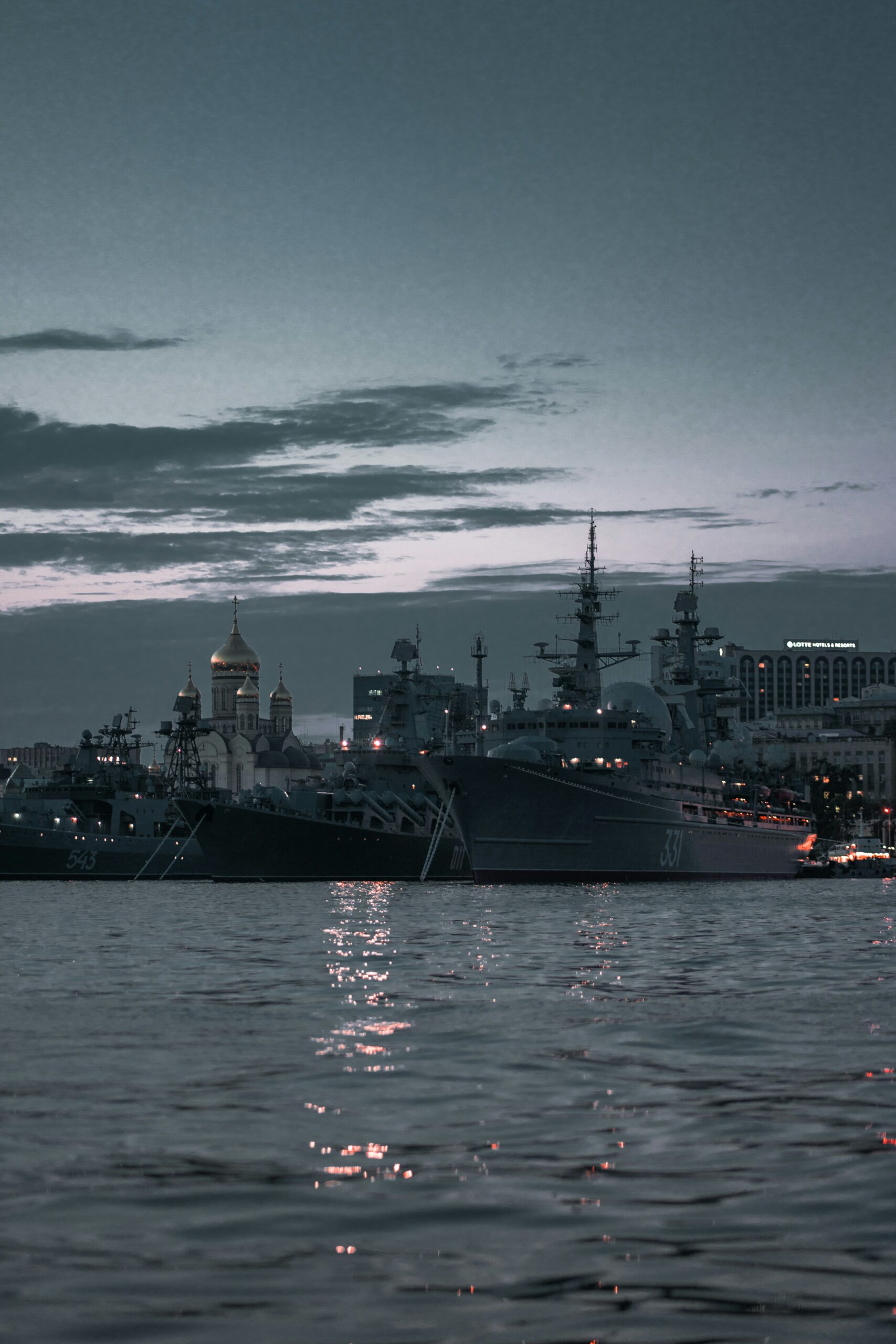
Speaking at the Munich Security Conference, Starmer said the deployment—led by HMS Prince of Wales, the Royal Navy’s flagship—will operate alongside the US, Canada, and other NATO allies in what he called “a powerful show of our commitment to Euro-Atlantic security”.
The £3bn aircraft carrier will lead an international formation including one frigate, one destroyer, one submarine, one supply ship, and 40 aircraft. US jets are expected to operate from its deck.
‘Ready to Fight’
Starmer’s announcement came with stark language about the threat from Russia.
“We must build our hard power, because that is the currency of the age,” he told world leaders gathered in Munich. “We must be able to deter aggression, and, yes, if necessary, we must be ready to fight” .
The Prime Minister warned that after any peace deal for Ukraine, “Russia’s rearmament would only accelerate.” He added: “Russia has proved its appetite for aggression” .
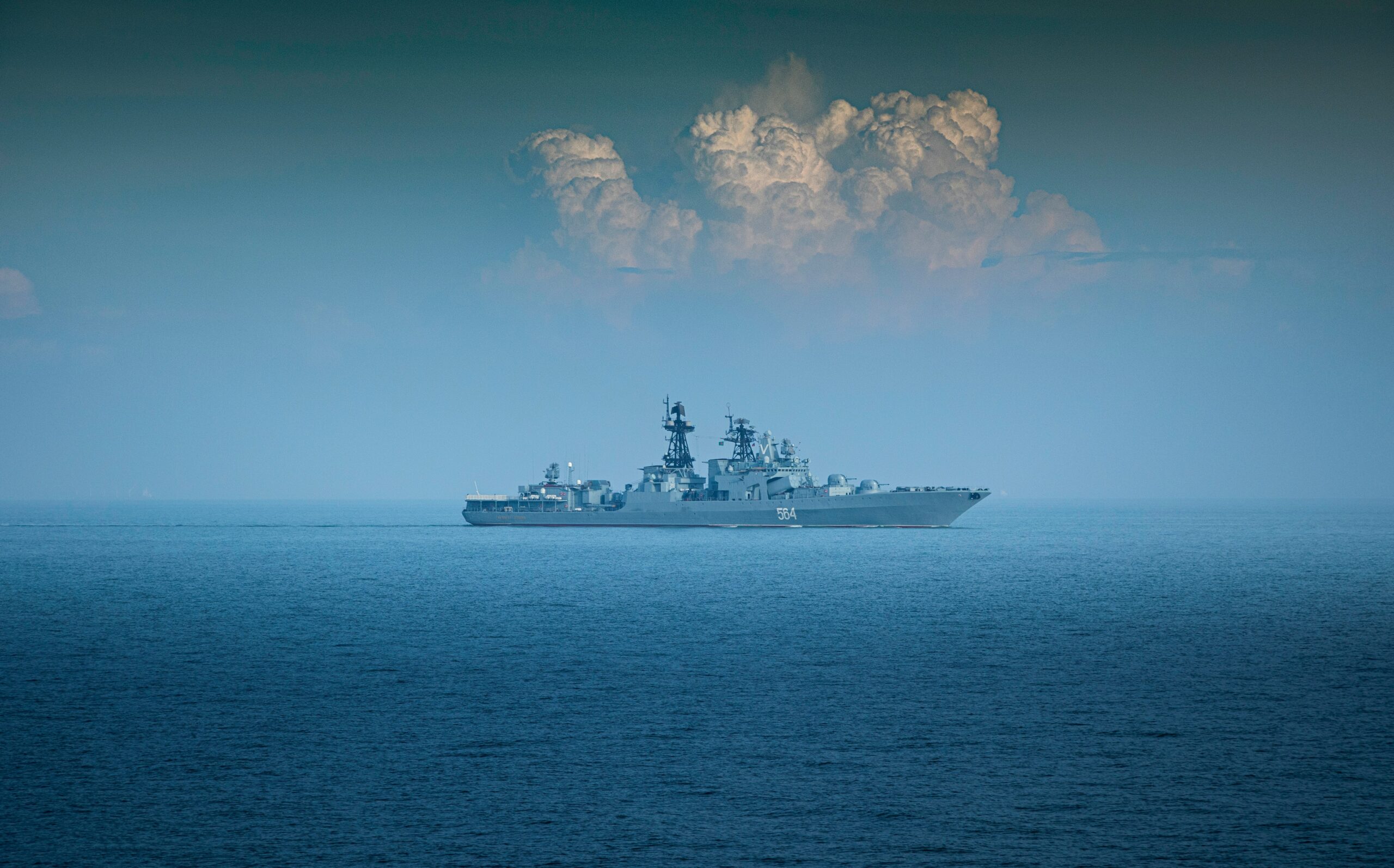
The Ministry of Defence said the deployment—dubbed Operation Firecrest—comes as Russian naval activity threatening UK waters has increased by 30% over the past two years. The mission will include activity under NATO’s newly launched Arctic Sentry mission, strengthening alliance security in a region where melting sea ice is opening new routes and increasing threats from hostile state activity.
The Greenland Shadow
But Russia is not the only concern hanging over the deployment.
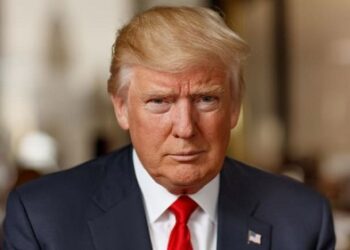
Trump’s repeated threats to take control of Greenland—a semi-autonomous territory of NATO ally Denmark—have unnerved European capitals and forced allies to confront the prospect that the US itself may pose a challenge to Arctic stability.
Trump has claimed Denmark does not do enough to defend Greenland from threats by Russia and China. Last month, he said an understanding had been reached with NATO Secretary General Mark Rutte that would give the US greater influence in the mineral-rich and strategically placed territory.
Starmer, asked directly about the Greenland situation, said he was pleased the issue was now “in process of dialogue.” He noted that security in the Arctic “is really important for all of us”.
“The US needs NATO. They need a strong and secure Europe, they need a strong and secure Arctic, they need a strong and secure Atlantic—for their own safety and security,” Rutte told the BBC at the conference.
US Ties ‘as Tight as Ever’
Despite the tensions, Starmer insisted the US-UK alliance remains strong.
“That alliance is as tight now as it’s ever been,” he said.
US Secretary of State Marco Rubio earlier told the summit that “the United States and Europe belong together,” even as he criticized NATO allies on spending and took aim at European climate and migration policies.
Rubio met with the Danish prime minister on the sidelines of the conference to discuss Greenland’s future, according to reports. But he also snubbed a Ukraine meeting on Friday—a move US officials blamed on scheduling conflicts but Europeans privately viewed as a sign of the White House’s dwindling interest in including them in peace talks.
Europe Must ‘Stand on Its Own Two Feet’
Starmer used the moment to call for deeper European defence cooperation, stressing the continent “must stand on our own two feet”.
He also announced Britain will seek “deeper economic integration” with the EU and to “move closer to the single market” in more sectors—a significant shift in post-Brexit policy. The status quo, he said, is “not fit for purpose”.
EU Commission President Ursula von der Leyen, appearing on stage with Starmer, called him an “unflinching ally and friend” and acknowledged Europe had undergone “shock therapy” from the US, requiring it to take more responsibility for its own defence.
Domestic Troubles in Munich
Starmer arrived in Munich after the most perilous week of his premiership. He faced calls to resign from his own party’s Scottish leader, Anas Sarwar, over his appointment of Peter Mandelson as US ambassador—a role that collapsed amid revelations of Mandelson’s ties to Jeffrey Epstein.
Asked whether domestic challenges left him vulnerable on the world stage, Starmer was emphatic.
“No, I reject that,” he said. “I ended the week much stronger than I started it. And that’s a very good place to be”.
What Comes Next
Operation Firecrest will see the carrier strike group sail across the Atlantic, including a port visit to the US, before operating in the High North alongside Canadian and Northern European allies. The deployment follows last year’s mission to the Indo-Pacific, which certified the UK’s carrier group as fully “mission ready” for NATO.
France has also announced it will deploy its aircraft carrier group to the region in 2026.
For now, British warships are heading north—to deter Russia, to reassure allies, and to navigate a rapidly shifting Arctic where the ice is melting, the threats are rising, and even friends can no longer be taken for granted.