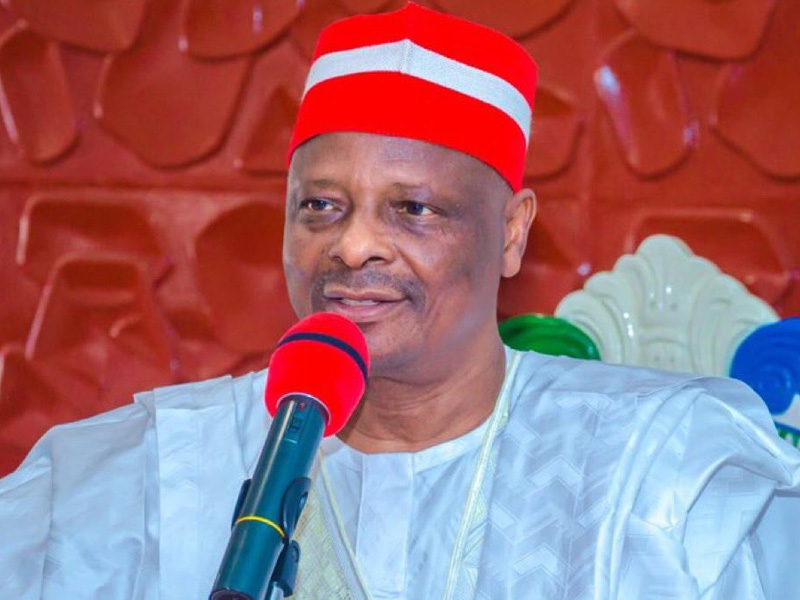

The United States has moved to freeze the assets of several top Nigerian politicians, including former Kano State Governor Rabiu Kwankwaso, amid concerns over links to terrorism and financial impropriety. The announcement has left many Nigerians shocked and embarrassed, raising questions about governance, accountability, and the nation’s international reputation.
“This publication of Treasury’s Office of Foreign Assets Control is designed as a reference tool providing actual notice of actions by OFAC with respect to Specially Designated Nationals and other persons whose property is blocked,” the agency stated.
A Shameful Spotlight on Nigeria
The designation of prominent Nigerians has cast a spotlight on the country, suggesting that some influential individuals may be financing terrorism. Among those listed are Salih Yusuf Adamu, known as Salihu Yusuf, reported to have ties to Boko Haram and previously convicted in the UAE for attempting to send $782,000 to support insurgents in Nigeria.
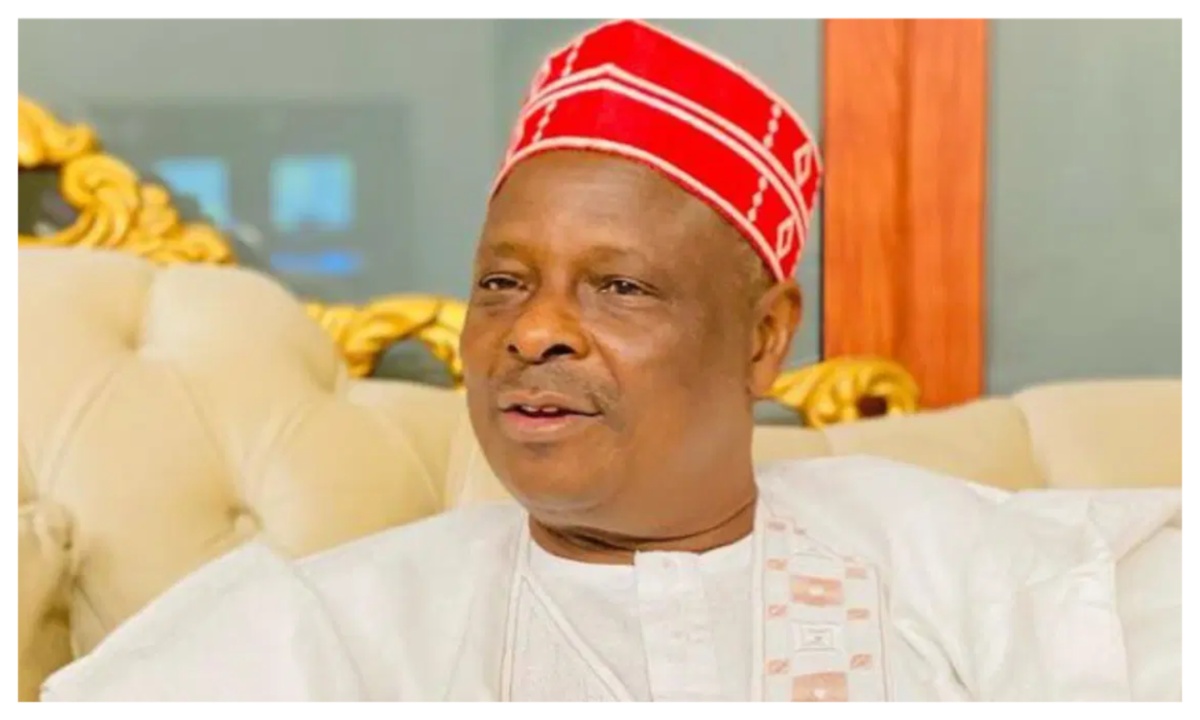
Other individuals sanctioned include Babestan Oluwole Ademulero and Abu Abdullah ibn Umar Al-Barnawi, also known as Ba Idrisa, both linked to terrorism-related activities. Abu Musab Al-Barnawi, a Boko Haram leader, was also flagged under these sanctions.
The move shows the US commitment to blocking the property and interests of individuals connected to terrorism, and to prevent financial dealings with them. For Nigeria, it is a public reminder of the serious implications of failing to hold influential figures accountable.
Historical Context and Ongoing Concerns
The United States designated Boko Haram a foreign terrorist organization in 2013. Since then, the group has been responsible for thousands of deaths in northern and northeastern Nigeria, as well as in neighboring countries such as Cameroon, Chad, and Niger.
In October 2025, US President Donald Trump announced for the second time that Nigeria would be added to the Department of State’s list of “Countries of Particular Concern,” citing alleged persecution of Christians. Nigeria had previously been placed on the list in 2020 under Trump, but the designation was removed by former President Joe Biden upon assuming office.
Calls for Investigation
The sanctions highlight the need for Nigerian authorities to investigate whether prominent figures are indirectly supporting terrorism or misusing their influence for illicit activities. If these allegations hold, it is critical for law enforcement and anti-terrorism agencies to act swiftly to preserve Nigeria’s credibility and safeguard its citizens.
For many Nigerians, the embarrassment of seeing respected political figures branded internationally as linked to terrorism is a painful reality
The Way Forward
The United States’ sanctions on Kwankwaso and others signal that global powers are monitoring Nigeria closely. While the freeze affects personal and financial assets abroad, it also sends a strong message that those who finance or support terrorism may face international consequences.
For Nigeria, the challenge is clear: investigate these allegations transparently, uphold justice, and restore the nation’s reputation. Without decisive action, the perception of complicity among top officials may continue to undermine the country on the world stage.