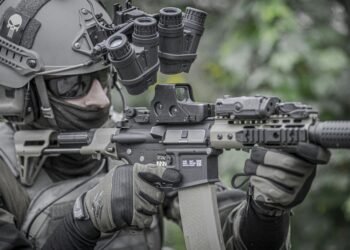
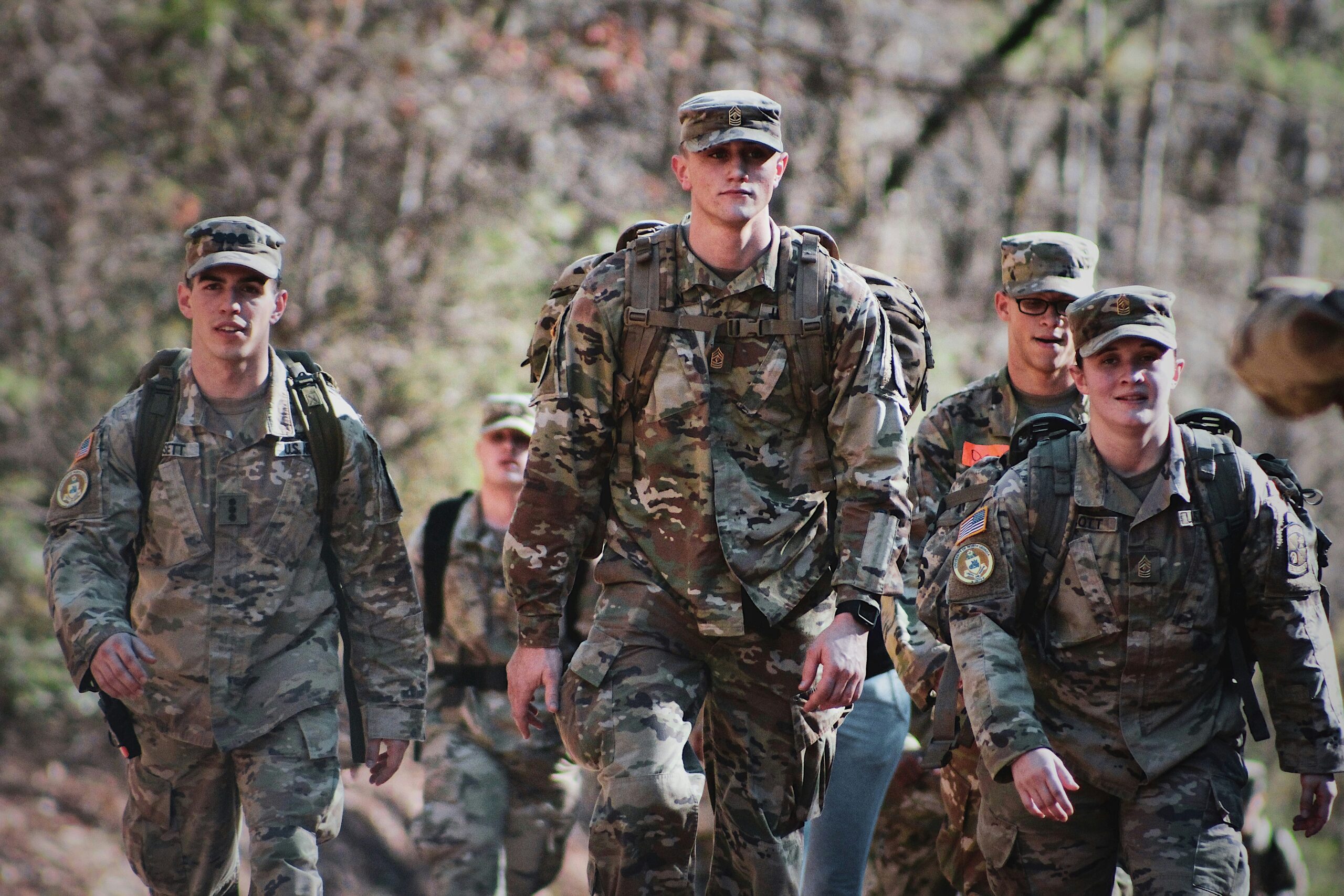
About 100 US soldiers have arrived in northeastern Nigeria to train local forces and provide intelligence support in the fight against Islamist militants, marking the first major American ground deployment since the Christmas Day airstrikes that targeted terrorist camps in the northwest.
The troops and equipment landed at an airfield in Bauchi state, Nigerian defence spokesperson Maj Gen Samaila Uba confirmed. A second wave is expected to bring the total deployment to around 200 personnel, following discussions between Nigerian and US defence officials during a recent working group.
Uba reiterated that the American personnel would not engage in combat operations and had come at the formal request of the Nigerian government.
“The collaboration will provide access to specialised technical capabilities aimed at strengthening Nigeria’s ability to deter terrorist threats and enhance the protection of vulnerable communities across the country,” he said in a statement.
The Christmas Day Strikes Context
The deployment follows the December 25 airstrikes launched by US forces against camps run by an Islamist militant group in northwestern Nigeria’s Sokoto state. The strikes, approved by President Bola Tinubu, targeted a group called Lakurawa that had been operating in the region.
At the time, the US military described the operation as a defensive strike against militants who had threatened American and Nigerian interests. The Christmas Day timing drew international attention, but Nigerian officials stressed the operation was conducted at their request.
A Widening Security Crisis
Nigeria faces an array of overlapping security threats that have stretched its military and security forces thin:
· Islamist insurgency: Groups like Boko Haram and the Islamic State in West Africa Province (ISWAP) have waged a 15-year campaign in the northeast, killing tens of thousands and displacing millions.
· Bandit militias: Criminal gangs known locally as “bandits” operate across the northwest and north-central regions, looting villages and kidnapping for ransom with near-impunity.
· Separatist unrest: In the southeast, Indigenous People of Biafra (IPOB) and other groups have clashed with security forces, demanding independence.
· Farmer-herder conflicts: Clashes over land and water resources between farmers and nomadic herders have killed thousands and displaced many more.
The US deployment is focused specifically on the Islamist militant threat, with American trainers and intelligence specialists expected to work alongside Nigerian forces in the northeast.
The Political Context
Late last year, the Trump administration raised concerns about the treatment of Christians in Nigeria, urging the government to do more to improve security and protect Christian communities. Trump claimed there was a “Christian genocide” underway—an allegation Nigeria’s government strongly rejected, noting that Muslims, Christians, and people of no faith have all been victims of attacks.
Nigeria is roughly divided between a mainly Muslim north and a largely Christian south, with significant intermingling in the middle belt. More than 250 ethnic groups call the country home.
Despite the rhetorical tensions, military cooperation has continued. The Christmas Day strikes and now this ground deployment signal that both nations see counterterrorism cooperation as too important to let political disagreements derail.
What Comes Next
The initial wave of US troops will focus on training and intelligence-sharing. Nigerian officials say the expanded cooperation will enhance their ability to protect vulnerable communities and deter terrorist threats.
For residents of northeastern states like Borno, Yobe, and Adamawa—who have borne the brunt of the Islamist insurgency for more than a decade—the arrival of American forces raises hopes that the tide may finally turn against groups that have burned villages, kidnapped schoolgirls, and slaughtered farmers.
But officials are careful not to overpromise. The US troops are trainers and advisers, not combat forces. They will not patrol villages or chase militants through the bush. Whether their presence makes a difference will depend on how well Nigerian forces translate American training and intelligence into battlefield success.
For now, the American flag flies alongside Nigeria’s at a military airfield in Bauchi. Months after Tomahawk missiles struck terrorist camps on Christmas Day, US boots are finally on Nigerian soil.