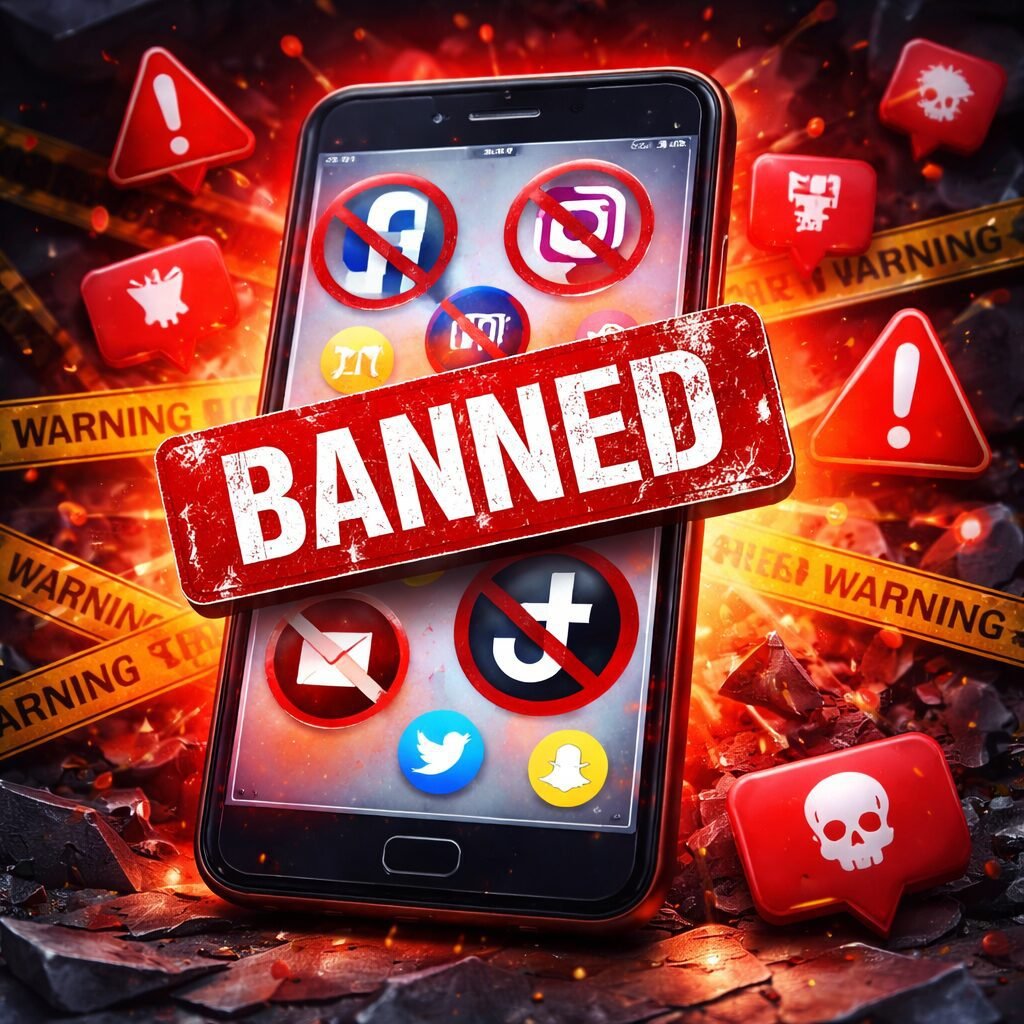

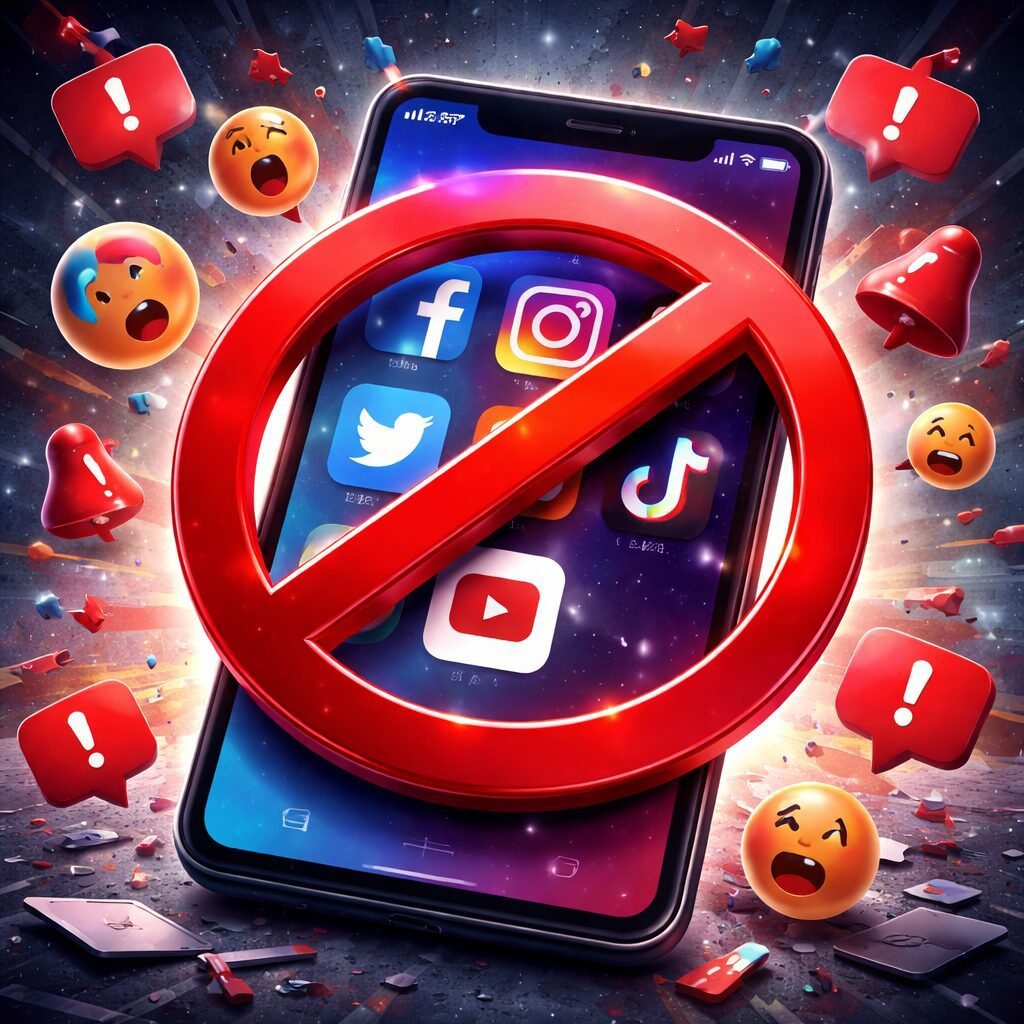
Gabon’s media regulator has ordered an indefinite suspension of social media platforms nationwide, plunging businesses and ordinary citizens into uncertainty as the central African nation grapples with growing civil unrest and a government determined to control the narrative.
The High Authority for Communication announced the decision in a televised statement Tuesday evening, citing the “spread of false information,” “cyberbullying,” and “unauthorised disclosure of personal data” as justifications for the blackout.
Spokesperson Jean-Claude Mendome did not specify which platforms would be affected, but WhatsApp, Facebook, and TikTok are widely used in Gabon. On Wednesday morning, services were still accessible, but users expected a shutdown at any moment.
The Business Impact
For entrepreneurs who have built their livelihoods on digital platforms, the suspension threatens disaster.
A restaurant owner in the capital, Libreville, speaking on condition of anonymity, told the BBC the move would devastate his customer base.
“Almost 40% of my customers decided to order or come to the restaurant after seeing our advertising on social media,” he said. “I won’t be able to catch new customers, because clients are attracted by what they are seeing, reviews from friends, pictures.”
His frustration reflects a deeper anxiety: “We are entering a phase where we don’t even know if we are moving forward with global development or if we are sliding backward into total underdevelopment.”
Gabon has about 850,000 active social media users—roughly 32.6% of the population. For many, especially young people, these platforms are not just for pleasure but for commerce, networking, and survival.
The Government’s Rationale
Mendome defended the suspension as necessary to prevent “inappropriate, defamatory, hateful, and insulting content that undermines human dignity, social cohesion, the stability of the republic’s institutions, and national security.”
Such content, he argued, was likely to “generate social conflict” and “seriously jeopardise national unity, democratic progress, and achievements.”
He added, almost as an afterthought, that “freedom of expression, including freedom of comment and criticism,” remained “a fundamental right enshrined in Gabon.”
The contradiction was lost on no one.
The Political Context
President Brice Oligui Nguema, 50, faces his first major test since winning last year’s election with more than 90% of the vote. His rise to power followed a 2023 military coup that ended more than five decades of rule by the Bongo family.
Nguema promised reform. For the first time, foreign and independent media were allowed to film ballot counts during the election. Digital blackouts, once a tool of previous governments, appeared to be a relic of the past.
But teachers began striking in December over pay and working conditions. Protests spread to health and other public sectors. The government’s tolerance for dissent appears to have reached its limit.
Public Reaction
Reaction on the streets of Libreville is mixed.
A taxi driver shrugged off the impending blackout, telling the BBC: “There’s no smoke without fire. For the authorities to take such a decision, something must have certainly prompted it.”
But opposition figures see a darker motive. Brice Mebiame, a leader of the Gabonese Socialist Party, condemned the suspension as evidence of a “climate of fear and repression” under a government that promised change but delivered the same old controls.
What Comes Next
The suspension is open-ended—“until further notice,” the regulator said. Businesses that depend on social media for customers are scrambling to adapt. Activists and opposition figures are searching for alternative platforms. Ordinary Gabonese are waiting to see whether their government will restore their digital lives or leave them in the dark indefinitely.
For the restaurant owner in Libreville, the calculation is simple: “I won’t be able to catch new customers.”
For the government, the calculus is more complex. In a nation of 2.5 million people, where young people have grown up connected, silencing social media may quiet dissent—but it will also silence commerce, community, and the very progress Nguema promised to deliver.