Businesses and consumers around the world are now facing the consequences of President Donald Trump’s latest trade move, as the 15% tax trap takes effect. With the U.S. Supreme Court striking down his previous tariffs under the International Emergency Economic Powers Act (IEEPA), Trump quickly imposed a new 15% global tariff under a different legal framework, leaving importers and exporters scrambling to adjust. The question on everyone’s mind is: how far-reaching will the 15% Tax Trap be for international trade?
Supreme Court Ruling Spurs New Tariffs
Earlier this week, the Supreme Court declared Trump’s IEEPA-based tariffs illegal, halting a system that generated over $500 million per day in revenue. In response, U.S. Customs and Border Protection announced the suspension of IEEPA tariff collections at ports of entry, effective 12:01 a.m. EST Tuesday.
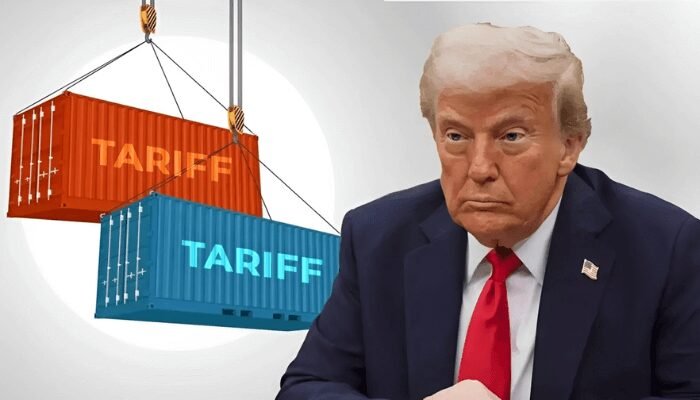
Yet, almost immediately, a new 15% global tariff was imposed, replacing the struck-down duties. The abrupt shift highlights how businesses worldwide must navigate an evolving and unpredictable U.S. trade landscape.
Impacts Across Global Markets
The 15% tax trap affects nearly every country that exports goods to the United States. Importers may face higher costs, and those costs are likely to be passed down to consumers, potentially increasing prices for everyday products. Economists warn that such sudden adjustments can disrupt supply chains, particularly for small and medium-sized enterprises that lack the flexibility to absorb extra tariffs.
CBP has not clarified whether refunds will be issued for tariffs collected under the IEEPA before the Supreme Court’s ruling. This uncertainty adds another layer of complexity for companies dealing with international shipping and customs compliance.
Legal Loopholes and Sections
The new 15% global tariff relies on a separate legal authority, leaving intact other tariffs Trump previously imposed under Section 232 (national security) and Section 301 (unfair trade practices). Experts note that while these measures are technically lawful, the rapid swap from one tariff system to another underlines a wider issue: global exporters must constantly monitor U.S. legal and trade policy changes to remain compliant.
Reaction from Businesses
Businesses importing goods from overseas have expressed frustration at the sudden policy shift. Many feared the IEEPA tariffs were already creating unpredictability, and the 15% tax trap extends that uncertainty, forcing firms to recalculate costs, adjust contracts, and even rethink sourcing strategies.
Economists at Penn-Wharton Budget Model have suggested that, depending on how long the new tariffs remain in effect, the 15% tax trap could cost international businesses billions in additional expenses, with ripple effects reaching consumers worldwide.
Global Trade Uncertainty Continues
Trump’s 15% tax trap underscores the fragile nature of global trade under sudden U.S. policy changes. Even as the Supreme Court limited one set of tariffs, the administration swiftly substituted another, demonstrating how legal maneuvers can have immediate economic consequences abroad.
For companies and nations dependent on U.S. markets, the question is no longer if tariffs will rise, but how high and for how long. With customs guidance still unfolding, global traders are bracing for a period of heightened uncertainty as the full effects of the 15% Tax Trap play out.