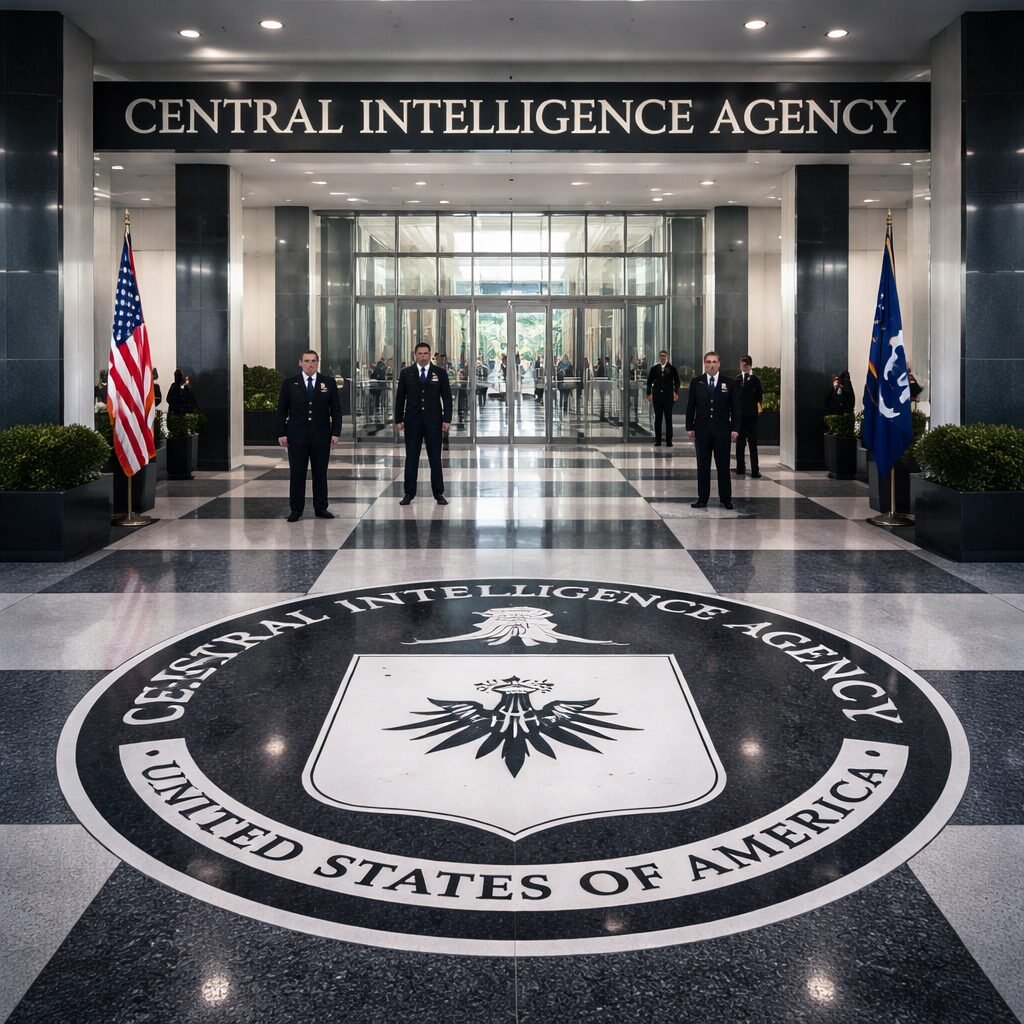

With the clock ticking toward make-or-break nuclear talks in Geneva, the Central Intelligence Agency has taken the extraordinary step of posting Farsi-language instructions on social media teaching Iranians how to securely contact U.S. intelligence — a brazen recruitment drive that Iran’s government says proves America has stopped pretending.
The message, published Tuesday across the CIA’s X, Instagram, Facebook, Telegram, and YouTube accounts, offers detailed operational guidance to potential informants: use disposable devices, avoid work computers, employ VPNs not headquartered in Russia, Iran, or China, and consider the Tor Network for encrypted communication.
“Hello. The Central Intelligence Agency hears you and wants to help,” the agency wrote, according to an English translation.
Within hours, the posts racked up millions of views.
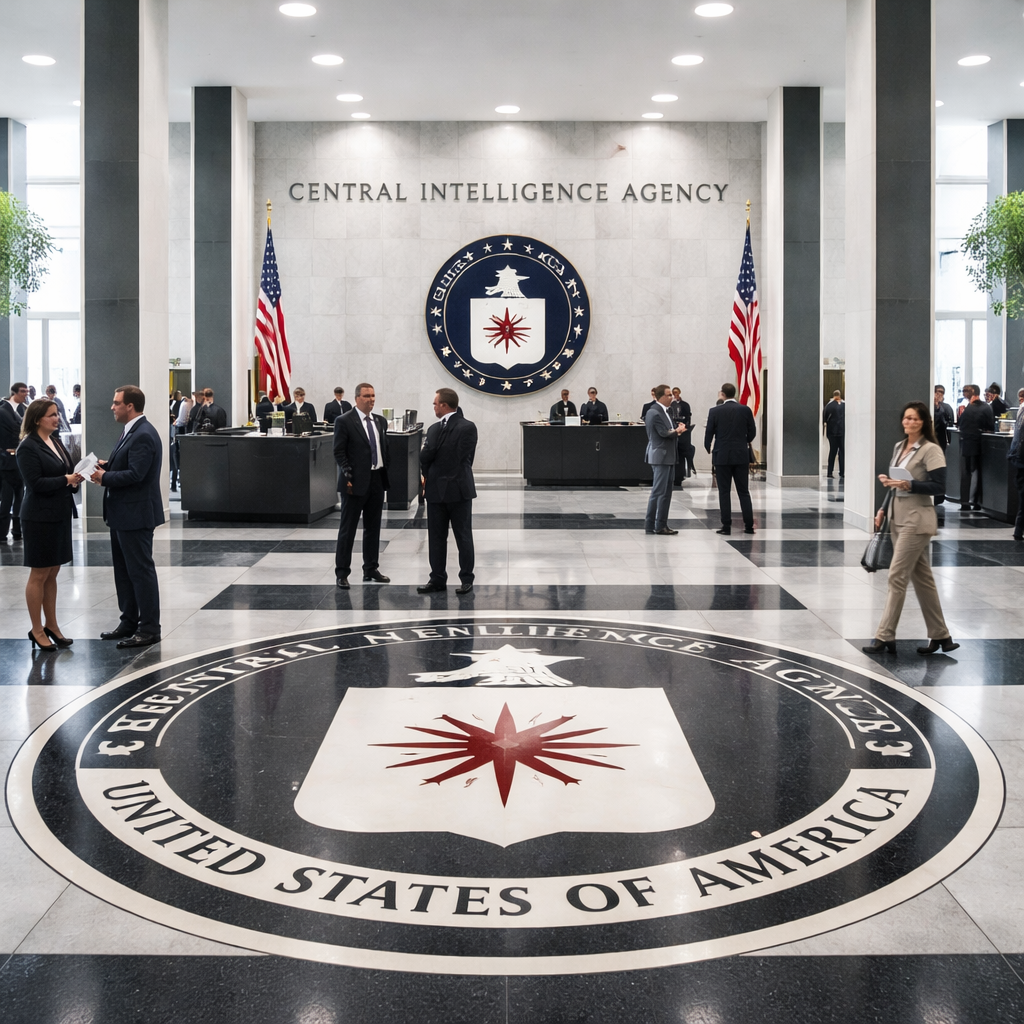
‘They No Longer Even Pretend’
Iran’s response was swift and furious.
“They no longer even pretend,” the Iranian Embassy in the Netherlands posted on X. “When the CIA releases a video in Persian and teaches Iranians how to contact it, this is no longer diplomacy; it is blatant interference. Imagine the outrage if the roles were reversed. Double standards have been exposed” .
Chinese state-affiliated media echoed the sentiment, with one outlet translating the Iranian reaction as “they’re not even pretending anymore”.
The CIA declined to comment. Iran’s UN mission did not immediately respond to requests for comment.
The Geneva Deadline
The recruitment push comes at an exceptionally tense moment. U.S. envoys Steve Witkoff and Jared Kushner are scheduled to meet Iranian officials led by Foreign Minister Abbas Araghchi in Geneva on Thursday for a third round of indirect talks on Tehran’s nuclear program.
President Trump has assembled what he calls an “armada” in the Middle East — the largest U.S. military buildup in the region since the 2003 Iraq invasion, including two aircraft carriers, warships, fighter jets, and thousands of troops. He has threatened military action if the talks fail.
In his State of the Union address Tuesday, Trump laid out his case: “They’ve already developed missiles that can threaten Europe and our bases overseas, and they’re working to build missiles that will soon reach the United States of America”.
He said Iran was warned after last June’s U.S. strikes to “make no future attempts to rebuild their weapons program, in particular, nuclear weapons. Yet they continue starting it all over”.
Iran insists its nuclear program is peaceful and denies seeking weapons. On the eve of the talks, Iranian President Masoud Pezeshkian emphasized that Supreme Leader Ayatollah Ali Khamenei has issued a religious decree against nuclear weapons.
The CIA’s Playbook
The Farsi-language campaign is part of a broader CIA effort to recruit sources in Iran, China, North Korea, and Russia. Similar messages have been posted in Mandarin, Korean, and Russian.
CIA Director John Ratcliffe has said the outreach is working. “Last year, CIA’s Mandarin video campaign reached many Chinese citizens, and we know there are many more searching for a way to improve their lives and change their country for the better,” he told the AP earlier this month.
The agency’s instructions are meticulous:
· Use “a new, disposable device, if possible.”
· “Be aware of your surroundings and who may be able to see your screen or activity.”
· Avoid work computers and personal phones
· Use a trusted VPN “not headquartered in Russia, Iran, or China.”
· Consider the Tor Network, which encrypts data and hides the user’s IP address
Those who make contact are asked to provide their location, name, job title, and “access to information or skills of interest to our agency”.
Protests and Crackdowns
The CIA’s overture comes amid renewed unrest in Iran. University students have held anti-government protests for four consecutive days, chanting slogans including “death to the dictator” and expressing support for exiled Prince Reza Pahlavi.
The demonstrations follow January’s mass protests, which rights groups say left thousands dead in the worst domestic unrest since Iran’s 1979 Islamic Revolution. A revolutionary court in Tehran this week issued a death sentence to a man accused of “enmity against god” — the first such sentence linked to the protests.
Trump has warned that military action could follow not only failed nuclear talks, but also executions of protestors.
The Talks
Thursday’s meeting in Geneva will be the third round of indirect talks mediated by Oman. Iran has indicated openness to some concessions but refuses to discuss its ballistic missile program or support for regional proxies — what Tehran calls the “Axis of Resistance”, including Hamas, Hezbollah, and the Houthis.
Secretary of State Marco Rubio said those issues are “a big, big problem”. He suggested a breakthrough is unlikely.
The stakes could not be higher. Iran has warned that all U.S. military bases in the Middle East would be legitimate targets if attacked. Satellite photos show the U.S. Navy’s 5th Fleet has scattered its ships at sea — a defensive posture adopted before last June’s strikes.
The Message
The CIA’s Farsi video opens with a simple promise: “The Central Intelligence Agency hears you and wants to help”.
Whether Iranians are listening — and whether Thursday’s talks succeed or fail — will determine what happens next.
One thing is certain: the spy agency that spent decades operating in shadows is now openly recruiting in broad daylight. And the government’s targeting says America has stopped pretending otherwise.