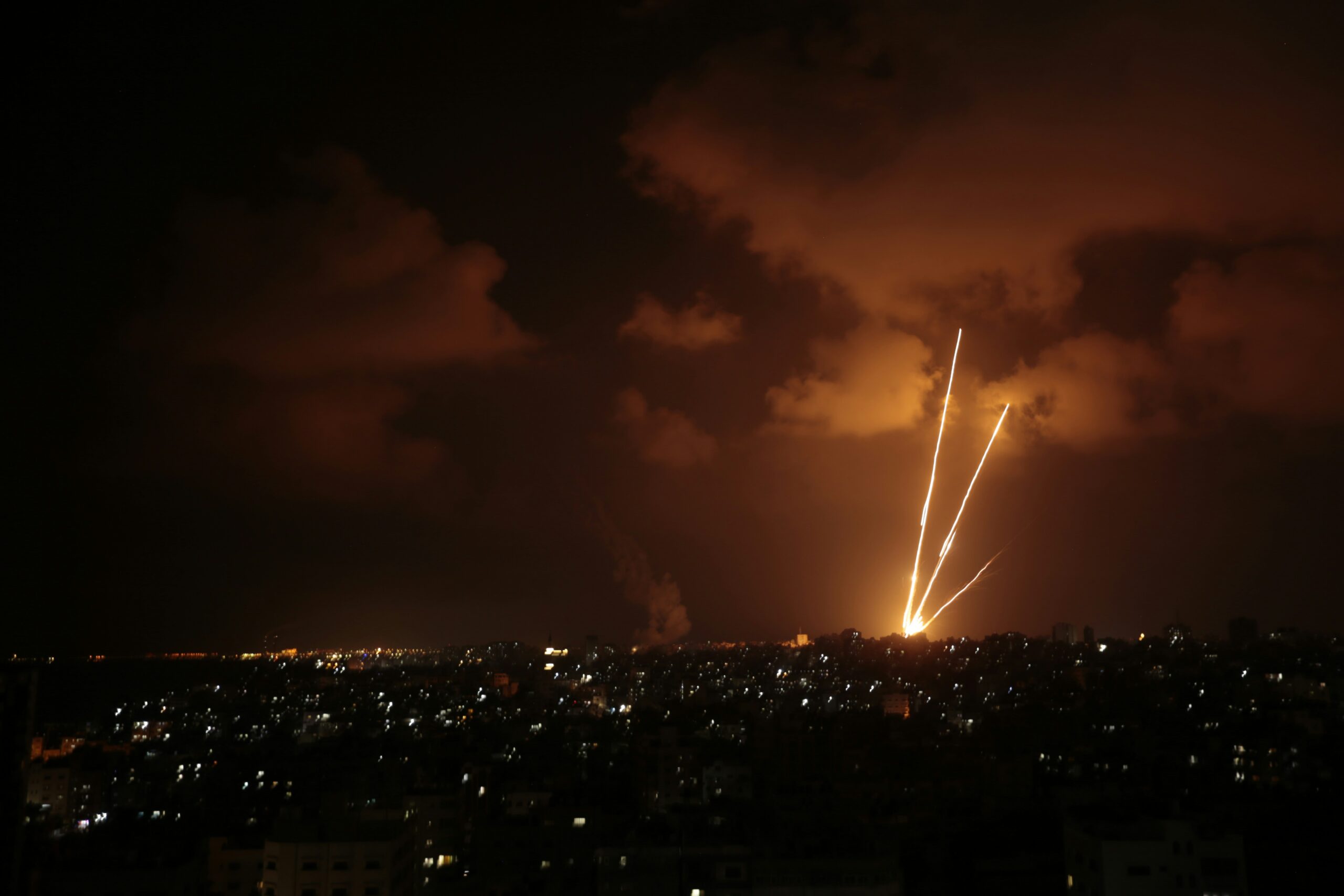

The Middle East conflict exploded into a multi-front war Monday as Hezbollah formally entered the fighting, Israeli strikes killed 31 across Lebanon, Iran unleashed a new wave of retaliatory strikes on US bases throughout the Gulf, and multiple American warplanes crashed in Kuwait.
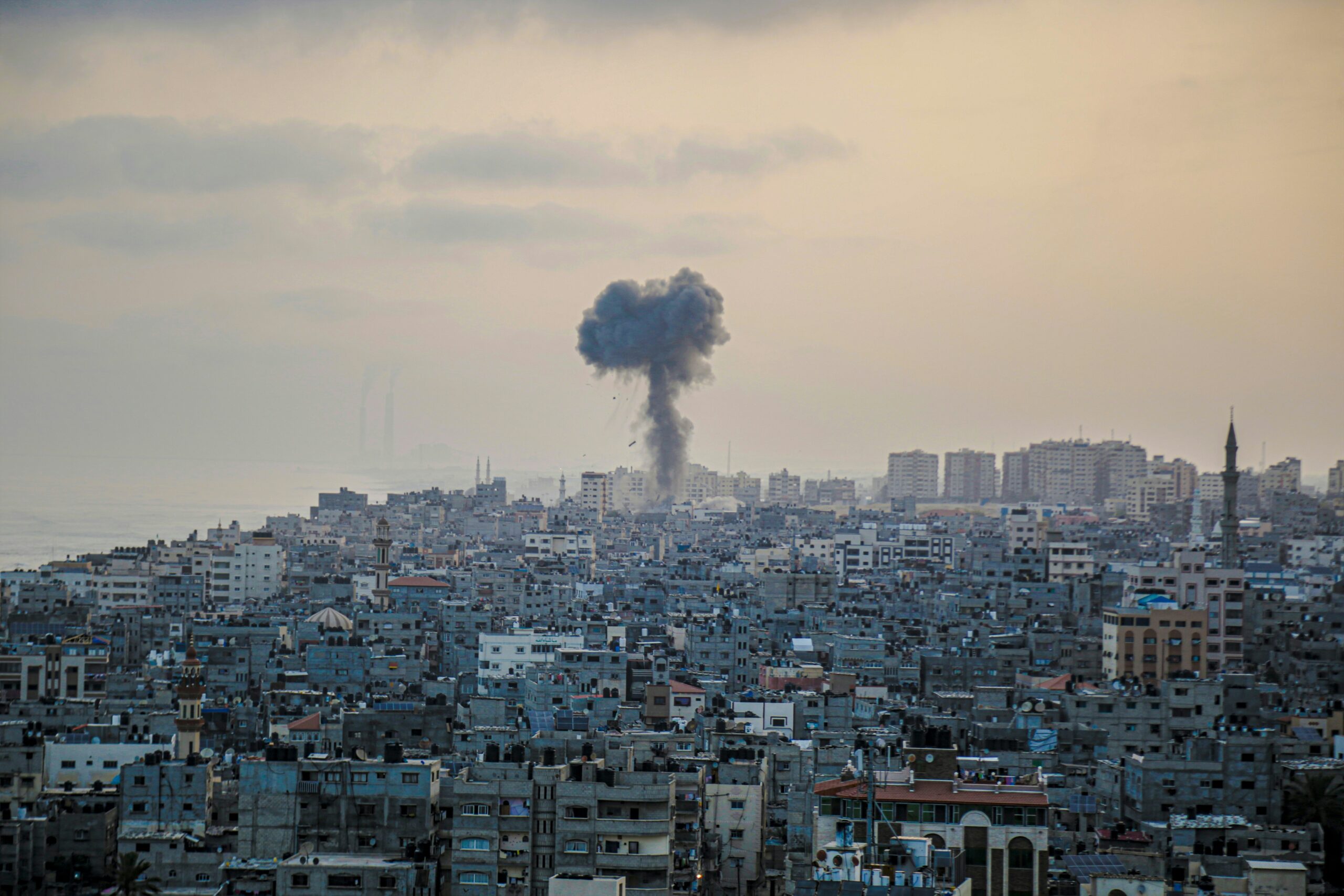
The Lebanese health ministry reported that Israeli attacks in Beirut and southern Lebanon have killed at least 31 people, with 149 wounded. The strikes included a drone attack on a facility in Beirut’s southern Dahieh suburb—the first time Israel has targeted the Lebanese capital since the November 2024 ceasefire.
The Israel Defense Forces said it struck a Hezbollah drone storage facility, warning civilians to evacuate beforehand. Witnesses described panic in the Hadath neighborhood, with two nearby schools filled with children as smoke rose from the suburbs.
Hezbollah confirmed it has entered the conflict, launching strikes toward Israeli territory. The Israeli military reported “numerous” projectiles fired from Lebanon, with air-raid sirens sounding across northern Israel.
Iran’s Retaliatory Wave Expands
Iran launched fresh missile and drone strikes across the Gulf region Monday, hitting US-linked targets in multiple countries hosting American military facilities.
Bahrain’s Interior Ministry confirmed that Bahrain International Airport was struck by a drone, causing material damage but no casualties. Emergency protocols were activated immediately.
In the UAE, four people were injured after an Iranian drone struck Dubai International Airport, causing damage inside a passenger terminal. Emergency teams were dispatched as authorities secured the area.
Iranian state media reported strikes on US facilities in Kuwait, Qatar, and other Gulf states, releasing images of what they claimed was an American F-15 pilot whose plane crashed in Kuwait.
The Islamic Revolutionary Guard Corps issued a statement warning that operations “will persist without interruption until the enemy is decisively defeated” and declared all US assets in the region “legitimate targets”.
US Warplanes Crash in Kuwait
Kuwait’s Ministry of Defense confirmed Monday morning that “several U.S. military aircraft crashed,” though all crew members were safely evacuated and are in stable condition.
“The relevant authorities immediately initiated search and rescue procedures, whereby the crews were evacuated and transferred to the hospital to check on their health status,” the ministry statement said.
Iranian state media released a photograph allegedly showing the American F-15 fighter pilot whose plane was downed, along with visuals of Iran’s drone fleet and strikes on US-Israeli targets.
The cause of the crashes remains under investigation, with Kuwaiti authorities coordinating directly with US forces.
Critical Infrastructure Targeted
Iranian strikes also targeted critical energy infrastructure. Multiple news outlets reported a drone strike at Saudi Aramco’s Ras Tanura refining facility—one of the world’s largest oil export facilities, critical for global crude flows.
The Jerusalem Post, citing a Semafor reporter, indicated that a “small, isolated fire is under control” at the facility following the apparent drone strike.
Iran’s Press TV also reported an Iranian missile strike at Salman Port in Bahrain, claiming the port was being used to transport American logistical equipment intended for use in strikes on Iran.
The IRGC announced what it called the “tenth wave” of its operation, dubbed “Operation True Promise,” stating that “massive gates of fire” had been opened upon the occupied territories with Khaibar missiles.
Regional and International Response
The escalating conflict has triggered urgent diplomatic outreach. India’s External Affairs Minister spoke with his Saudi and Kuwaiti counterparts, underscoring New Delhi’s concerns over regional stability.
Iran’s Deputy Foreign Minister stated Tehran was exercising its right to self-defence while expressing regret over any humanitarian consequences.
In a letter to the UN Security Council, Foreign Minister Abbas Araghchi said Iran would continue to act “decisively and without hesitation” in self-defence until what it termed aggression against the country fully ceases.
The Human Toll
In Lebanon, the death toll continues to rise. Israeli airstrikes on Friday killed seven people, including a child, and injured 40 others across multiple towns. Strikes targeted the towns of Touline, Housh al-Sayyid, Saraain, Tyre, Yahmor al-Shaqif, and Kfarkela.
Lebanese President Joseph Aoun condemned the “return of Israeli strikes” and any “malicious attempt to drag Lebanon back into the cycle of violence,” expressing determination “to build our state and our army”.
French President Emmanuel Macron called the strikes a “violation of the ceasefire agreement” that “plays into Hezbollah’s hands”.
What Comes Next
The conflict, which began with US-Israeli strikes on Iran on February 28, has now drawn in Hezbollah and spread across the Gulf. The IRGC warned that operations would continue “without interruption until the enemy is decisively defeated”.
Iran is observing 40 days of public mourning following the death of Supreme Leader Ayatollah Ali Khamenei in the initial strikes, with authorities heightening security across the country to prevent unrest.
Israel’s military warned it “will continue operating in order to remove any threat to the civilians of the State of Israel”.
With US warplanes down in Kuwait, critical energy infrastructure struck, and multiple nations now drawn into the fighting, the conflict shows no signs of de-escalation. As one IRGC commander put it: “If a battle breaks out, rest assured the enemy will be struck from a place they never anticipated.”