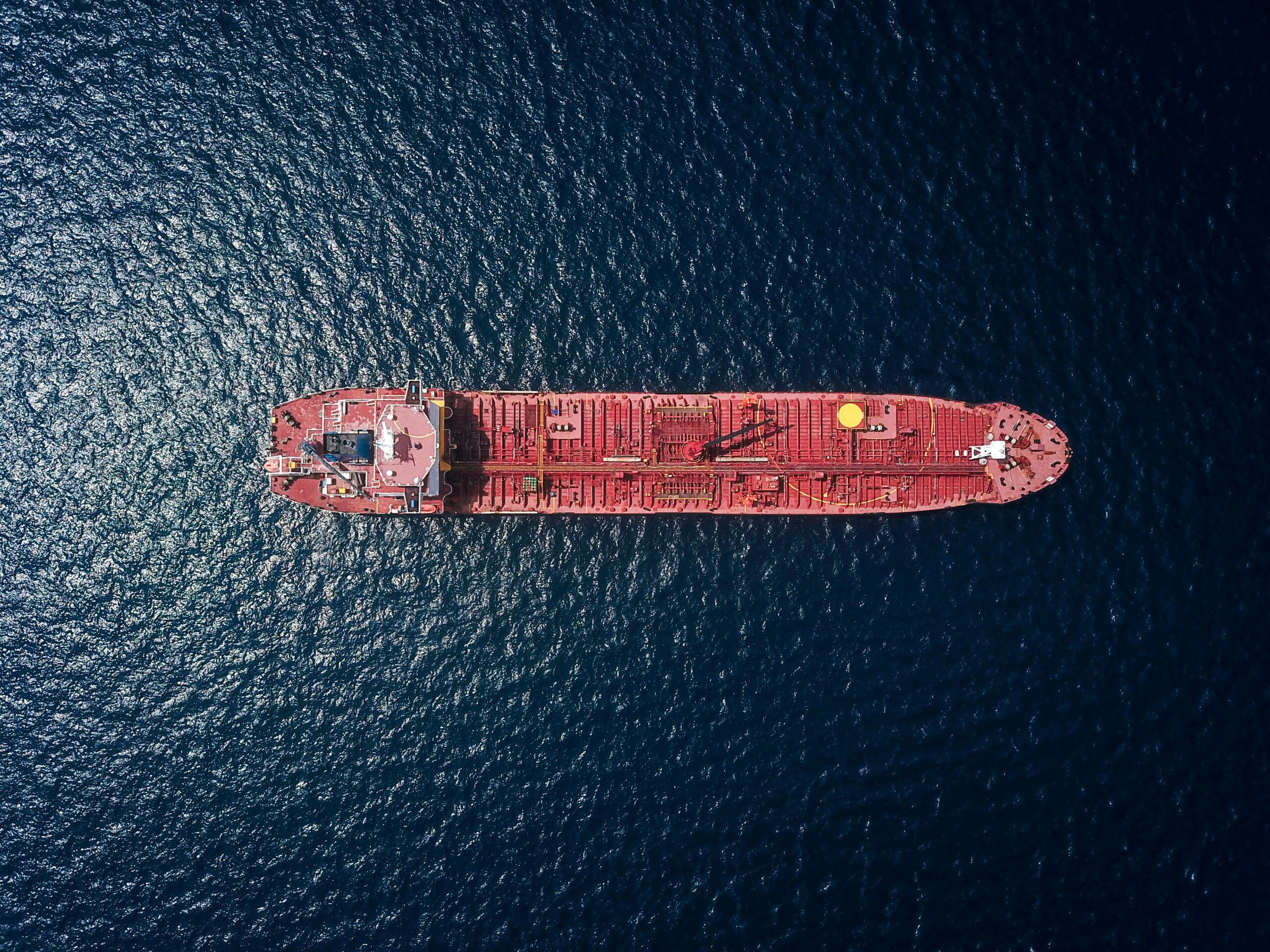

The global energy market is in a state of freefall as the U.S.-Iran war enters its sixth day, triggering a “perfect storm” of supply collapses and skyrocketing costs. What began as a localized strike has evolved into a maritime nightmare, with 200 ships, including massive oil and liquefied natural gas (LNG) tankers, currently stranded in open waters.
For the average consumer, the impact is immediate and painful: European gas prices have surged by a staggering 60% this week alone.
As of Thursday, March 5, 2026, the conflict has widened to include the targeting of civilian vessels. Nine ships have been attacked since the outbreak of hostilities, with the latest casualties including a Bahamas-flagged tanker hit by an Iranian explosive boat and a second tanker spilling oil off the coast of Kuwait.
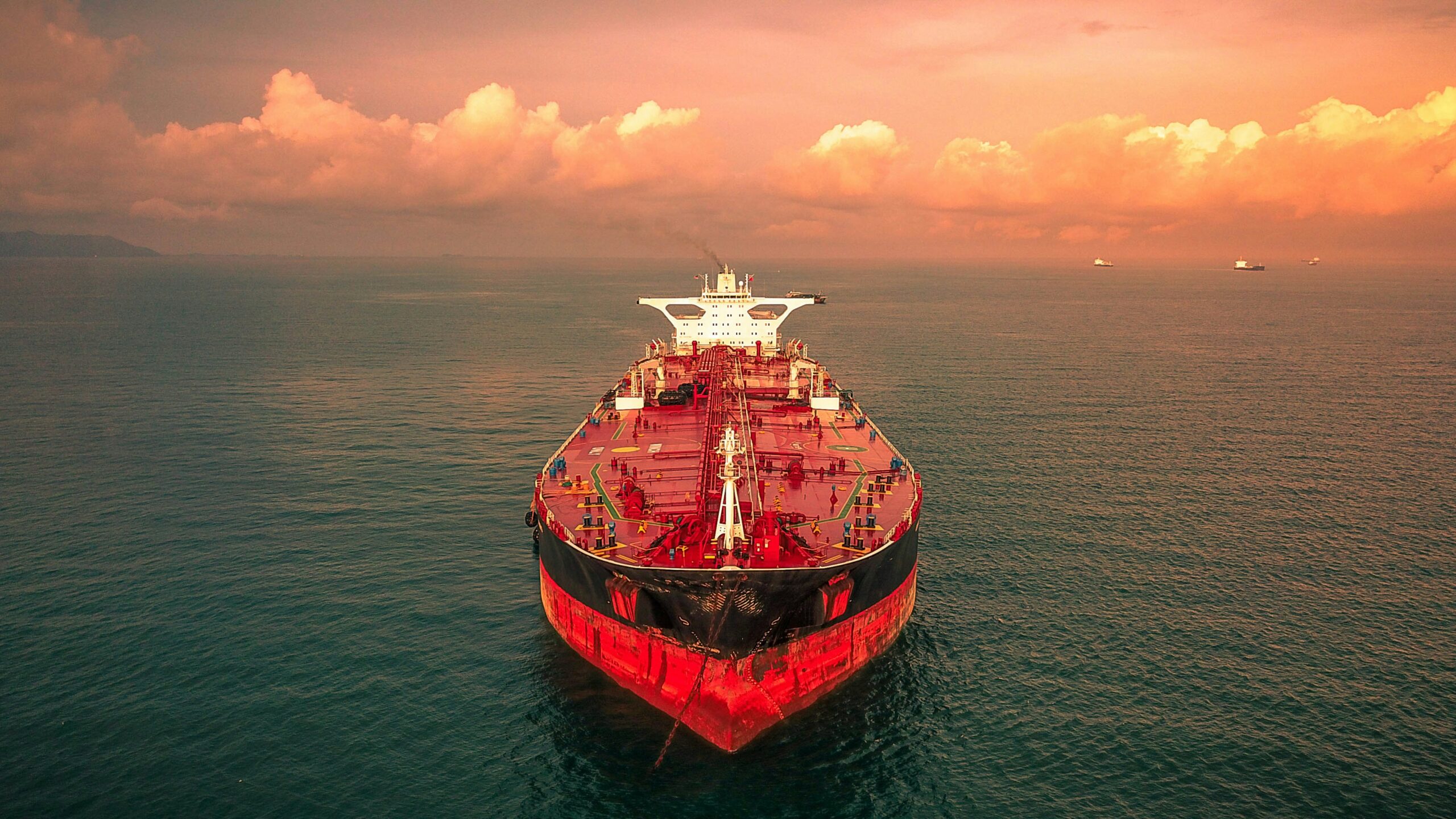
The Strait of Hormuz: A Chokepoint in Crisis.
The Strait of Hormuz, the world’s most vital energy artery, has effectively become a “no-go zone.” Shipping data from MarineTraffic confirms that hundreds of vessels are backed up, unable to reach ports or exit the Gulf.
This paralysis has halted the flow of 20% of the world’s LNG supply, much of which originates from Qatar.
Qatar stopped all gas production earlier this week due to the proximity of the fighting. BP has evacuated foreign staff from the Rumaila oil field following drone sightings, and Iraq has been forced to cut production by 1.5 million barrels a day because it has literally run out of places to store oil that cannot be loaded onto ships.
Major refineries in Kuwait and Bahrain have either shuttered or significantly reduced output as the regional supply chain disintegrates.
Putin’s Ultimatum
Adding fuel to the fire, Russian President Vladimir Putin has signaled he may use the crisis to deliver a killing blow to European energy security. Putin stated on Thursday that Russia is considering halting all gas exports to Europe immediately. With European storage refilling efforts already compromised and expensive, a Russian cutoff combined with the loss of Middle Eastern LNG could leave the continent in a catastrophic “Winter is Coming” scenario.
The European Union’s plan to phase out Russian gas by 2027 is now under extreme pressure. While President Donald Trump has offered U.S. Navy escorts and insurance through Lloyd’s of London to jumpstart shipping, traders remain skeptical that military force can quickly reopen such a volatile waterway.
Oil Prices and Global Economic Fallout
The financial markets are reflecting the desperation on the ground. Brent crude and WTI have jumped 16% since Saturday, with no ceiling in sight. In Asia, the situation is even more dire. China has reportedly instructed its refiners to cancel fuel export shipments and stop signing new contracts to ensure domestic survival.
The emergence of Mojtaba Khamenei as the likely successor to his father suggests that Tehran is digging in for a long-term war of attrition. For the global economy, the message is clear: the days of cheap, stable energy are over. If the 200 stranded ships cannot move soon, the 60% surge in gas prices may only be the beginning of a cold, expensive year.