
President Trump vowed Saturday to “totally obliterate” Iran’s missiles and missile industry. He didn’t mention the drones.
Six days later, more than 2,000 low-cost Iranian drones have rained down across the Middle East — targeting U.S. bases, luxury hotels, commercial airports, oil refineries, and civilian neighborhoods — in a calculated campaign to overwhelm defenses, sow chaos, and force the conflict to an end.
These are Shaheds — “kamikaze” drones that carry explosives and detonate on impact. They cost between $20,000 and $50,000 each. They are slow, loud, and notoriously difficult to intercept. And they are paralyzing the Gulf.
The Sound of War
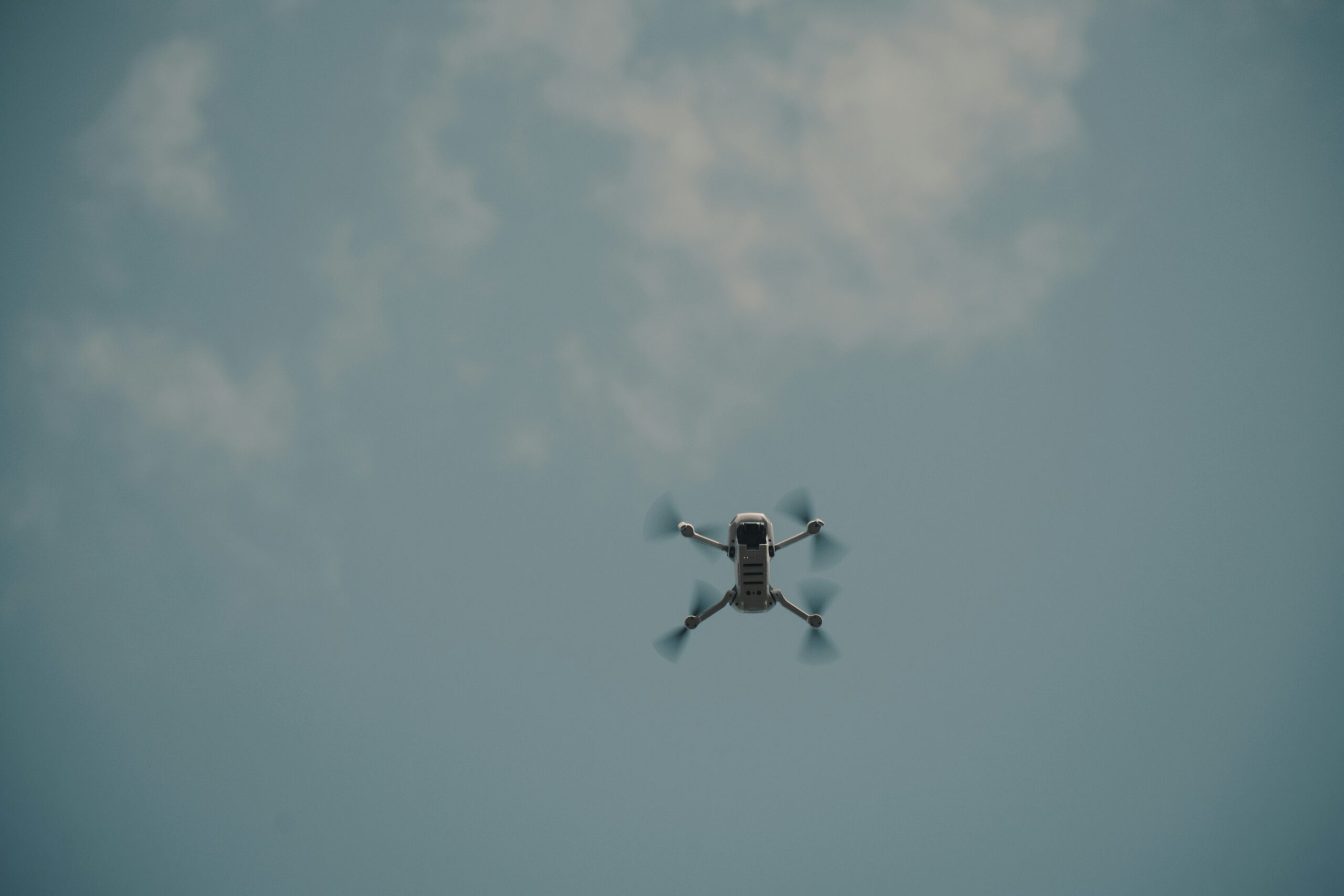
The distinctive buzz of the Shahed has become the soundtrack of this conflict. Smartphone footage from across the region captures the ominous drone before impact — a sound residents now dread.
One verified video shows a Shahed descending at high speed before hitting a radar installation at the U.S. Navy’s Fifth Fleet headquarters in Manama, Bahrain. Debris flies through the air. The structure collapses.
Another video from Dubai captures a drone slamming into a hotel on the Palm Jumeirah, the luxury man-made archipelago. A massive fireball erupts. The boom reverberates across the city.
In Saudi Arabia, the Ras Tanura refinery — the kingdom’s largest oil facility — halted production after debris from an intercepted drone sparked a fire. In Qatar, the world’s largest liquefied natural gas export terminal shut down after being targeted.
Six U.S. troops were killed when a drone struck their base in Kuwait — the deadliest attack on American forces so far.
Why the Shahed Is So Effective
The Shahed-136, manufactured in Iran, is not sophisticated. It cannot be remotely operated. It is pre-programmed before launch to follow a set route using satellite navigation. Its maximum range: 2,500 kilometers — far enough to fly from Tehran to Athens.
What makes it dangerous is its simplicity.
It flies low and slow, making it hard for radar systems designed to track high-speed missiles to detect. Its slim profile blends into the background. And when it arrives, it carries enough explosives to cause significant damage.
Russia has used the same drones to devastating effect in Ukraine, targeting densely populated cities and power stations. Iran has exported Shaheds to Moscow, and Russia now produces its own variants.
Mick Mulroy, a former U.S. Marine, CIA paramilitary officer, and Deputy Assistant Secretary of Defense for the Middle East, told the BBC the drones have “proven highly effective” — so much so that the U.S. has developed its own version.
Known as Lucas (low-cost uncrewed combat attack system), the American drone was used for the first time in combat this week. Admiral Brad Cooper, head of U.S. forces in the Middle East, said they had taken the Iranian design, “made them better, and fired them right back at Iran”.
The Cost Asymmetry
The UAE says more than 1,000 Iranian drones have been fired at the country so far. Only 71 made it through defenses — but every interception comes with a staggering price tag.
Shaheds cost $20,000 to $50,000. The missiles used to shoot them down — fired from fighter jets or surface-to-air systems — cost exponentially more. A single Patriot interceptor missile costs $3-4 million. An air-to-air missile from an RAF fighter jet costs around £200,000.
When Iran attacked Israel with hundreds of drones in 2024, UK jets fired missiles costing roughly 10 times the price of their targets.
Forcing the U.S. and its allies to burn through expensive interceptor stockpiles is part of Iran’s strategy, according to Nicholas Carl, an Iran expert at the American Enterprise Institute.
But Carl said Tehran is also trying to “impose terror and psychological pressure” on the U.S. and its regional partners — hoping to push President Trump into a ceasefire deal.
Is Iran Running Out?
How long Iran can sustain the campaign is unclear. It was believed to have mass-produced tens of thousands of Shaheds before the war, but U.S. and Israeli strikes have targeted production facilities and stockpiles.
Footage released Monday by Fars news agency, affiliated with Iran’s Revolutionary Guards, showed lines of drones in what appeared to be an underground bunker. When the video was filmed is unknown.
On Thursday, Admiral Cooper said the number of drones launched by Iran had fallen 83% since the first day of fighting. Ballistic missile launches were down 90%.
“Iran is struggling to sustain its missile and drone attacks,” Carl said, “and that could become only harder in the days ahead as U.S. and Israeli military pressure persists.”
What Comes Next
The drones keep coming — fewer now, but still coming. The Gulf remains on edge. Oil facilities are shut. Airports are targeted. Hotels burn.
Iran’s strategy is clear: make the cost of this war so high, so chaotic, so unpredictable, that the U.S. chooses to end it.
Whether that strategy succeeds depends on how long the Shaheds keep flying — and how long the world can afford to stop them.