A senior federal prosecutor in the Eastern District of North Carolina is facing potential sanctions following a scathing order from a U.S. Magistrate Judge. The controversy centers on a recent court filing that allegedly contained “fabricated quotations and misstatements of case holdings,” raising serious questions about the integrity of the government’s legal arguments in a high-profile healthcare dispute.
U.S. Magistrate Judge Robert Numbers issued a show-cause order requiring senior leadership from the U.S. Attorney’s Office to appear in court next week. The judge expressed “serious concerns” not only about the accuracy of the filing but also about the explanation provided by the attorney involved.
Fabricated Quotes and AI Speculation
The legal community has been closely watching the case, Fivehouse v. Defense Dept., as the nature of the errors bears the hallmarks of “AI hallucinations.” Judge Numbers identified multiple instances where citations to circuit court opinions were entirely fabricated, along with two nonexistent quotes purportedly from the Code of Federal Regulations.
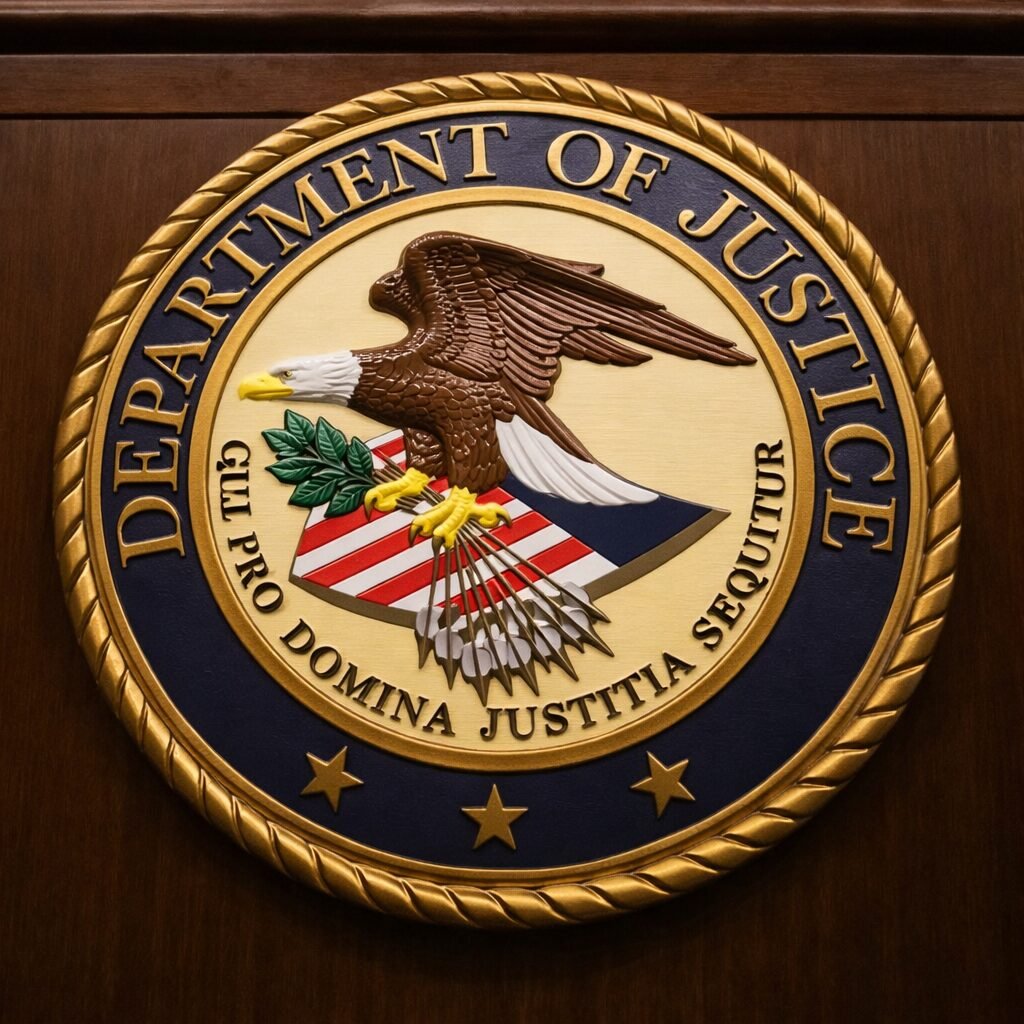
Assistant U.S. Attorney Rudy Renfer, who signed the brief, attributed the discrepancies to an “inadvertent filing of an unfinalized draft document.” However, the court remains skeptical. While the office has not confirmed the use of generative AI tools, the incident follows a string of national cases where attorneys have been penalized for submitting briefs containing fictional case law generated by artificial intelligence.
A Former Military Judge Flags the Errors
The discrepancies might have gone unnoticed if not for the unique background of the plaintiff. Derence Fivehouse, a retired Air Force colonel and former staff judge advocate, is representing himself pro se. Fivehouse, who is suing the Pentagon over policies limiting access to GLP-1 weight-loss medications for TRICARE participants, used his extensive legal training to vet the government’s citations.
Fivehouse noted that the provenance of the fabricated language is a “material issue,” questioning whether the fake quotes originated with the signing attorney or were pulled from an external source. At 69, Fivehouse stated he never expected to be fighting a legal battle against the Department of Defense for essential medications, let alone one involving questionable court submissions.
Possible Sanctions for the Eastern District
The fallout from the filing could extend beyond the individual litigator. Under the Federal Rules of Civil Procedure, a law firm, or in this case, the U.S. Attorney’s Office, is typically held jointly responsible for the violations committed by its attorneys.
Potential consequences facing the office include:
•Significant monetary fines
•Formal contempt proceedings
•Suspension of the attorney from practicing before the court
•Mandatory review of all pending civil filings in the district
Interim U.S. Attorney W. Ellis Boyle, whose nomination for the permanent post by President Donald Trump is currently pending before the Senate, has been directed to review the matter and take corrective action before the hearing.
The outcome of Tuesday’s proceedings could have lasting implications for how federal offices in the region manage their drafting and review processes in the age of automated legal research.