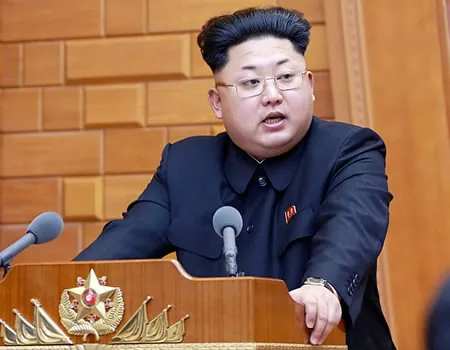

After the shocking capture of Nicolás Maduro in Venezuela and the high-stakes military strikes that neutralized top Iranian leadership, the spotlight has turned toward Pyongyang. There are many reasons why Kim Jong Un should be worried, primarily because the current U.S. administration has demonstrated a lethal ability to pivot from diplomatic “love letters” to overwhelming military force without warning. The invulnerability that supreme leaders usually project is being tested by a new American playbook that prioritizes leadership decapitation over long-term proxy wars.
The End of Absolute Invulnerability
For decades, the North Korean political system has been carefully crafted around the idea that the Supreme Leader is an untouchable, almost mythic figure. However, the violent removal of a peer like Ayatollah Ali Khamenei creates a dangerous precedent that Pyongyang is working hard to hide from its own citizens.
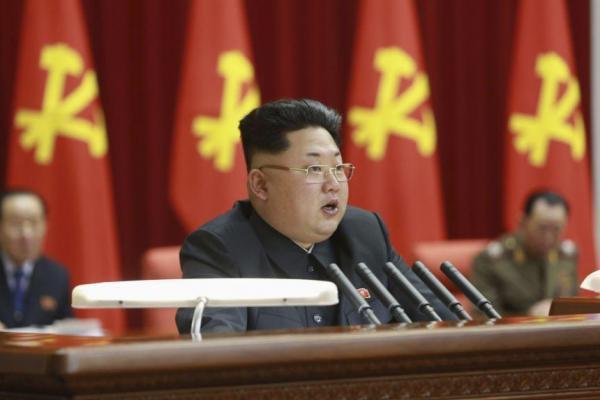
State media has been noticeably quiet about the specifics of the Iran strikes, failing to report the death of the Supreme Leader. This omission suggests a deep internal anxiety. If a leader with a vast military and deep underground bunkers can be reached, the narrative of North Korean invulnerability begins to crumble.
Decapitation Strikes and the Intelligence Gap
One of the biggest reasons why Kim Jong Un should be worried is the terrifying precision of modern intelligence. The Iran operation showed that modern services can penetrate even the most closed societies to identify leadership movements in real-time.
While Kim Jong Un travels in armored trains and surrounds himself with “ballistic briefcases” and layered security rings, the recent strikes on Tehran proved that technology can often bypass physical shields. The fear is no longer just about a full-scale invasion but about a single, surgical strike that could end a dynasty in seconds, a reality that forces Kim to constantly change his venues and motorcades.
The Nuclear Deterrent vs. Modern Reality
Pyongyang often points to its nuclear arsenal as the ultimate insurance policy, but recent events have shown that deterrence does not equal immunity. Unlike Iran, North Korea claims to have operational warheads capable of hitting the U.S. mainland. While this changes the risk calculation for any adversary, it also makes the leader a higher-priority target for preemptive action. The lesson from Hanoi in 2019 is still fresh: diplomacy and personal rapport with a U.S. President do not stop the underlying machinery of war. Intelligence gathering continues even during handshakes, and Kim must now decide if his nuclear status makes him safer or simply puts a larger target on his back.
The Risk of Silence in a New World Order
As President Trump prepares for a summit in Asia later this month, the silence from Pyongyang is deafening. Kim Jong Un is likely weighing whether it is riskier to reach out for a new deal or to remain isolated while the U.S. military works through its global target list. With the “Axis of Resistance” in shambles and the capture of Maduro fresh in mind, the old strategies of relying solely on Russia or China for protection seem less certain. The current era of “unconditional surrender” demands and rapid military escalations means that being outside of the diplomatic narrative is a dangerous place to be.