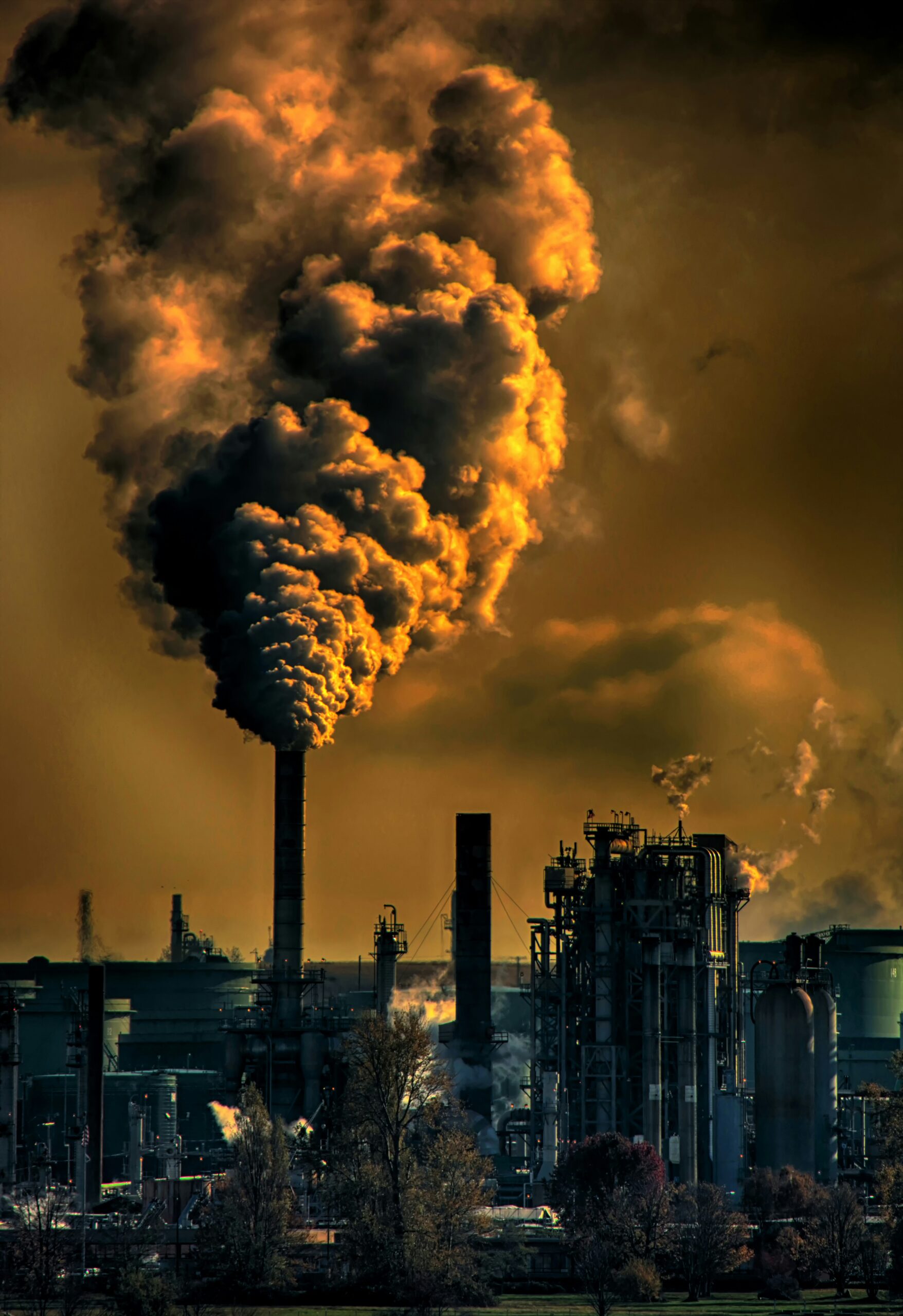

The U.S.-Israeli war against Iran reached a terrifying new threshold on Wednesday as the Pars gas field, the Iranian sector of the world’s largest natural gas deposit, was hit by airstrikes. This marks the first time since the conflict began on February 28 that Iranian energy infrastructure in the Gulf has been directly targeted. The strike, widely attributed to Israel with U.S. consent, has sent shockwaves through global markets and prompted a chilling ultimatum from Tehran.
Retaliation Redefined
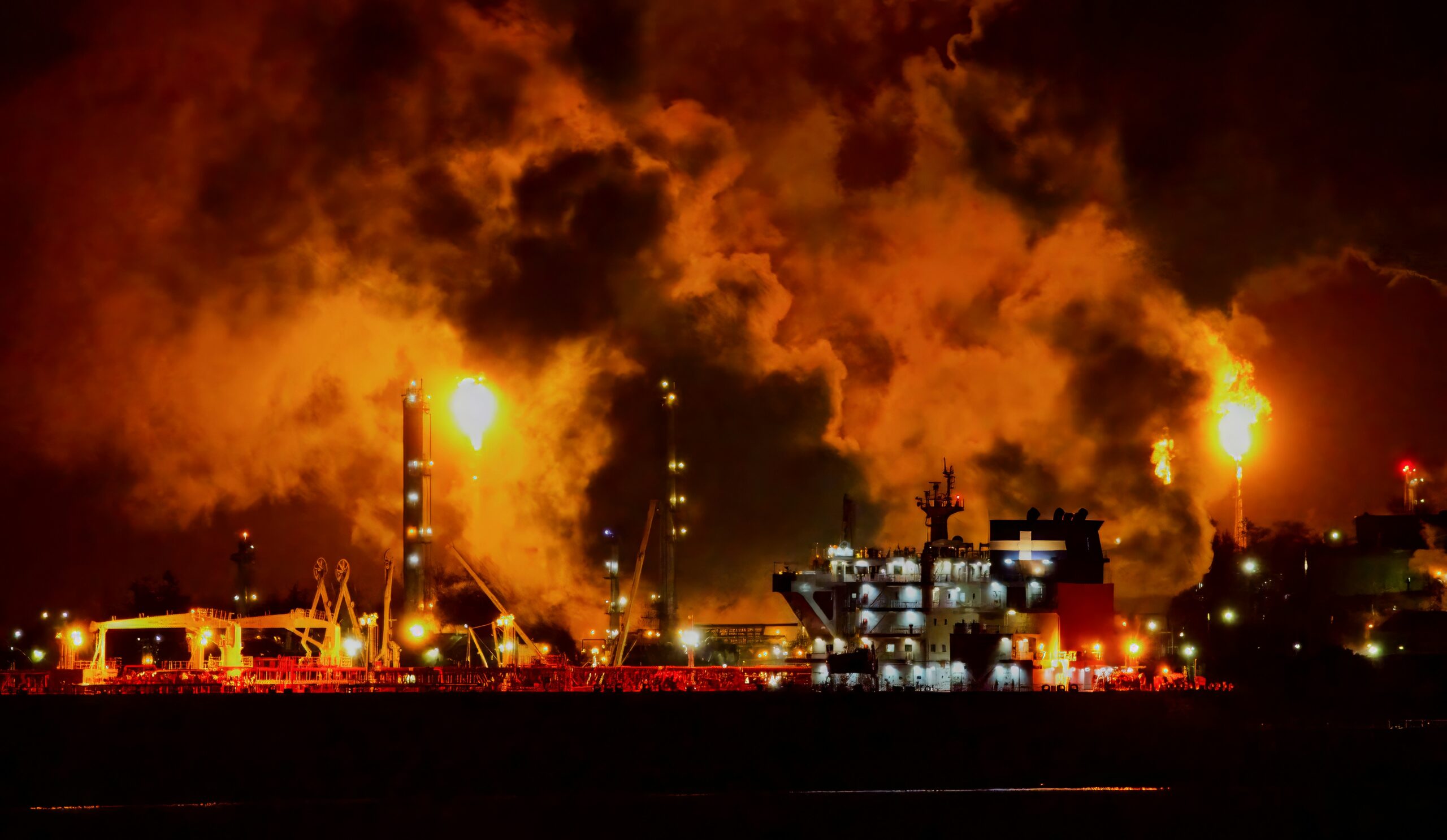
In the immediate aftermath of the strike, the Islamic Revolutionary Guard Corps (IRGC) issued a direct order to Saudi Arabia, the UAE, and Qatar to evacuate their most critical energy installations. Tehran has officially declared these sites, including the Samref Refinery and the Al Hosn Gas Field, as “direct and legitimate targets.” By targeting the shared Pars field, Israel has effectively dragged Qatar, a key U.S. ally, into the line of fire, with Doha calling the escalation “irresponsible” and a threat to global energy security.
The Decapitation Strategy
While the fires raged in the Gulf, the political landscape in Tehran was further decimated. Israel confirmed the killing of Iranian Intelligence Minister Esmail Khatib, just one day after the assassination of security chief Ali Larijani. In a radical policy shift, Israeli Defense Minister Israel Katz announced that the military now has a standing authorization to “target any senior Iranian official” without seeking further political approval. This “no immunity” doctrine suggests that the war has transitioned into a systematic campaign to decapitate the Iranian state.
Economic Blowback
The military escalation is having a devastating impact on the American economy. For the first time since the 2022 inflation crisis, U.S. diesel prices have surged above $5 a gallon, creating a massive political headache for President Trump. As the Strait of Hormuz remains paralyzed and the world’s largest gas reserves go up in flames, the “unprecedented disruption” to energy supplies is no longer a threat, it is a reality that is eroding domestic support for the war.
A Region on the Brink
With over 3,000 dead in Iran and 900 in Lebanon, the human cost is mounting as quickly as the economic one. Iran’s retaliatory missile strikes on Tel Aviv and U.S. bases across six countries prove that Tehran is nowhere near a breaking point. As Israel flattens apartment buildings in central Beirut and Iran prepares to strike the refineries of its neighbors, the conflict is no longer a contained war, it is a regional conflagration where, as Minister Katz warned, “everyone is in the crosshairs.”