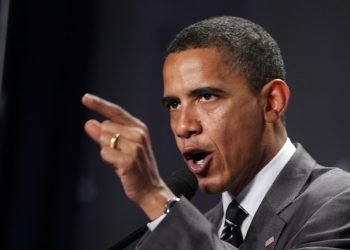

The newly signed law is a direct response to a Supreme Court ruling that disrupted the redistricting status quo across the South. In Tennessee, the GOP-led legislature moved with lightning speed to pass a map that splits the 9th Congressional District, traditionally a majority-Black stronghold, into three separate pieces. This surgical division has led to accusations that the state is systematically silencing its Black citizens, leading to the viral question: Is Tennessee the New Apartheid?
The Mechanics of Political Erasure
The new map doesn’t just change lines; it changes the weight of a vote. By carving up Memphis, the state has diluted the collective power of Black voters, spreading them across multiple districts dominated by white, rural interests. Rep. Antonio Parkinson noted that Memphis is a “majority-Black economic engine” that contributes billions in tax revenue. He argues it is abusive to take the city’s labor and commerce while “systematically stripping it of political power.”
Targeting the Opposition
Steve Cohen, the only Democrat in Tennessee’s nine-member delegation. It isn’t just Memphis; Nashville has also been fractured into five different districts, effectively ensuring a GOP sweep across the state’s urban centers.
The National Alignment
The timing of this is no accident. Following a Supreme Court decision that struck down a second majority-Black district in Louisiana, Republican governors have felt emboldened to “correct” their own maps.
President Trump signaled his full support, revealing a “very good conversation” with Governor Lee about responding to the court’s precedent with these new lines. Rep. Steve Cohen and the NAACP have already vowed legal action, with the NAACP filing an emergency petition to block the maps. They argue that “racial gerrymandering” is being used to bypass the Voting Rights Act.
“If you’re constantly beating on us, let us out… Do not hide behind maps and procedure.” — Rep. Antonio Parkinson (D-Memphis).
A Calculated Regression
When a sitting lawmaker uses words like “Apartheid” or calls for “secession,” it’s easy to dismiss it as hyperbole. But let’s look at the numbers: Memphis is a city that is roughly 64% Black. By splitting that population into three different districts, you ensure that their specific needs and voices are drowned out by outside interests.
In my view, this isn’t just “politics as usual.” It is a calculated effort to return to a pre-Voting Rights Act era where urban, minority populations are seen as tax-revenue sources but not as equal participants in democracy. If the state wants Memphis’ billions, it has to respect Memphis’ ballots. To do otherwise is to invite the very secessionist talk that is now making national headlines.